People Power Party finalizes party line on abolishing early voting

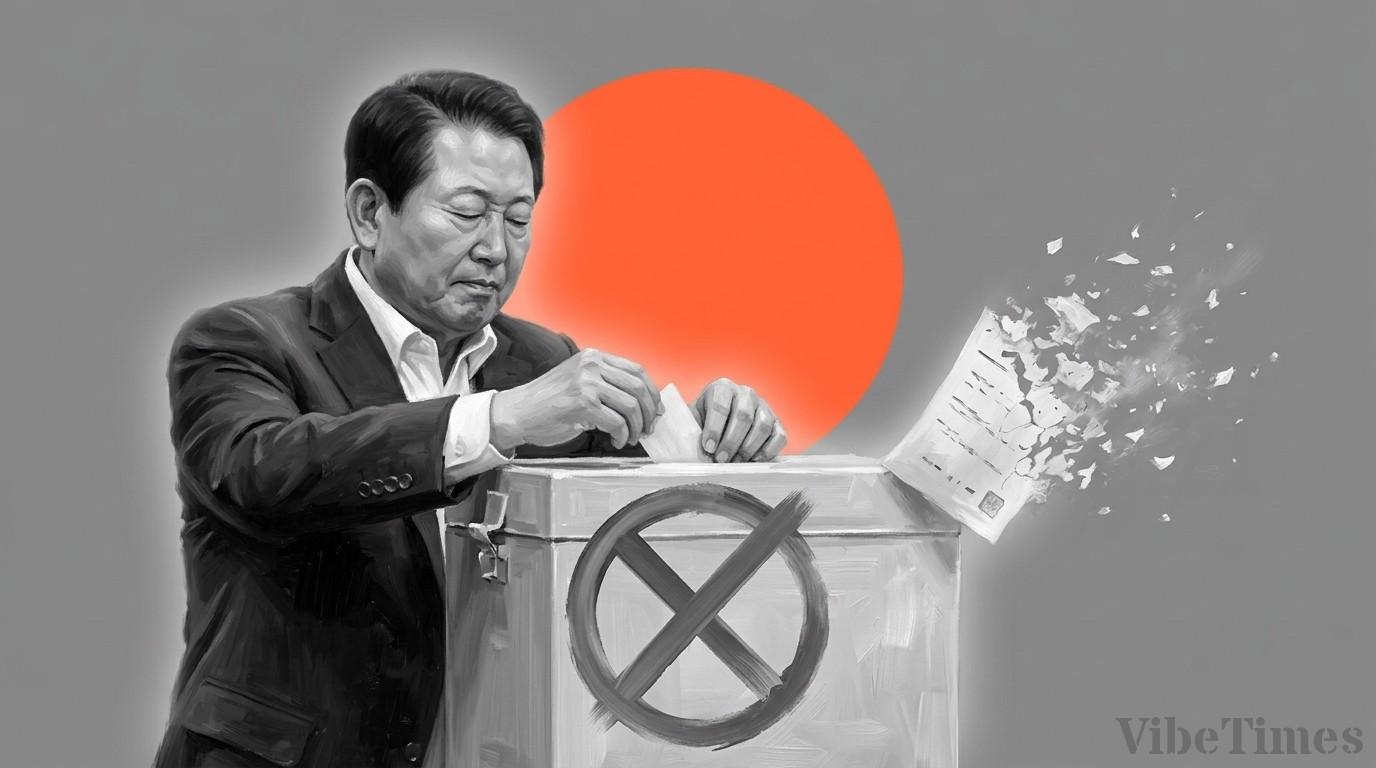
The People Power Party (PPP) finalized its party position on electoral law revisions at a general meeting of its lawmakers held at the National Assembly on the afternoon of the 17th, centered on abolishing early voting and excluding judges from serving as election commissioners. The party line is the outcome of discussions by a special intra-party committee on reforming the National Election Commission (NEC) and improving the electoral system, launched after ballot paper shortages left some voters unable to cast their ballots in the June 3 local elections this year.
The revision bill confirmed at the meeting includes abolishing early voting along with printing ballot papers at 100% of the number of eligible voters, and counting votes at polling stations simultaneously through a count-at-the-poll method with results tallied in real time. It also includes a provision for automatic recounts when the full voting process is monitored and the margin of difference is found to be within 0.5 percentage points.
The current organizational structure will be maintained—with the NEC chair and regional election commission chairs serving full-time and chairs of election commissions in basic local governments such as cities, districts, and counties serving part-time—but judges and court officials will be excluded from serving as election commissioners. Of the nine NEC commissioners, three, including the chair and two vice chairs, will hold full-time positions. Kim Tae-kyu, the party's chief floor spokesperson, explained at a briefing, "We concluded this measure is desirable to dispel public distrust that judges cannot properly adjudicate election affairs due to their involvement in them," adding, "The proposal was drawn up with a focus on protecting the fairness, objectivity, and trustworthiness of elections."
The PPP decided that whether to keep Election Day at the current single day or extend it to two days upon abolishing early voting will be determined through deliberation by the relevant standing committee. In addition, the revision bill includes plans to establish within the NEC a committee dedicated to reviewing interpretations of election laws and a supervisory committee composed of external members.