Domestic Fuel Prices Stay Capped Despite Surging Oil Costs

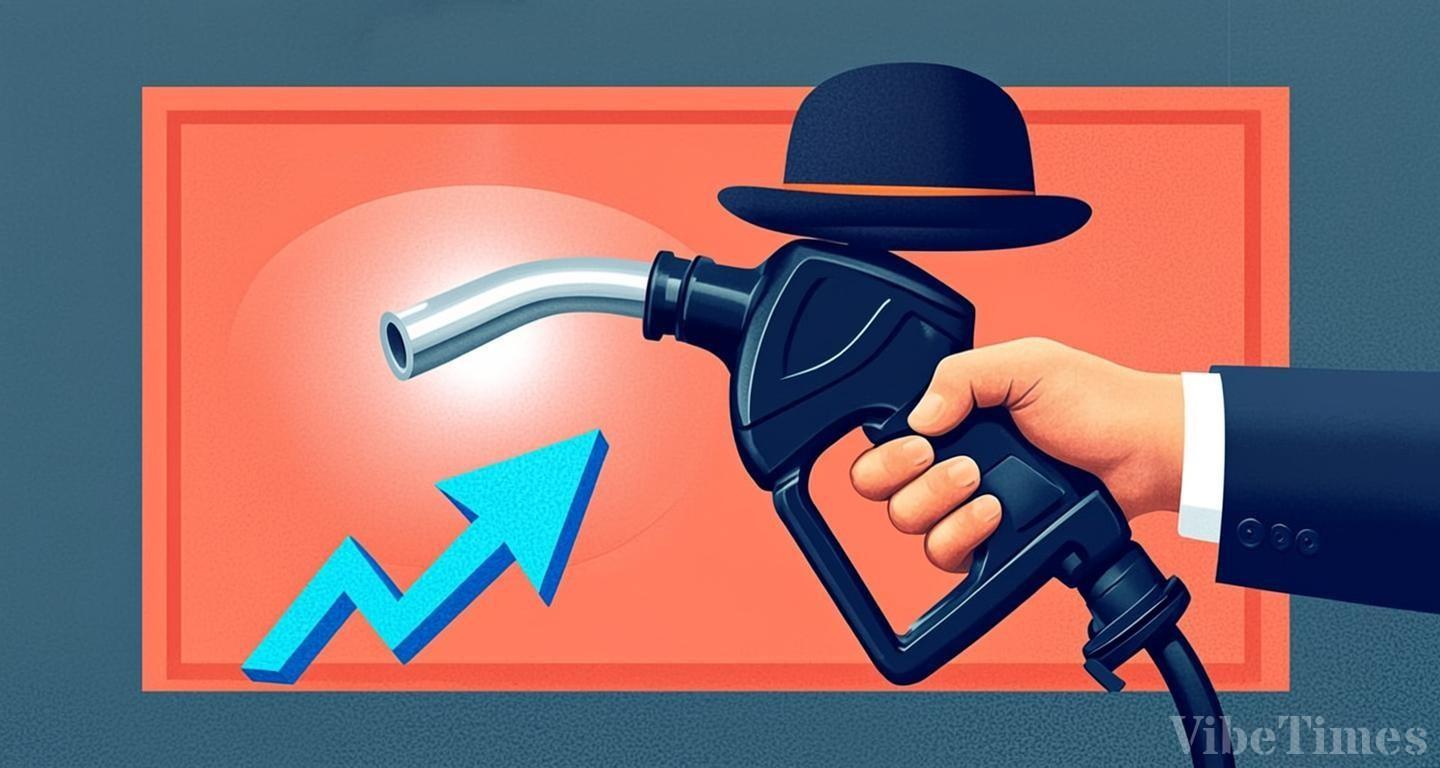
Despite international oil prices surging in the aftermath of the Middle East war, domestic gas station fuel prices are holding steady with little change. This is because the government's 'oil price cap system'—introduced last March, which sets an upper limit so that domestic sale prices cannot exceed a certain level even when global oil prices spike—is keeping fuel prices from rising. Diesel at a gas station in Mapo District, Seoul is selling at 1,899 won per liter, and nationwide gasoline prices remain at 1,850 to around 1,900 won per liter.
Following the attack on the Saudi Arabian oil pipeline, international oil prices have surged, with Dubai crude—the benchmark for Korean refiners—standing above $100 per barrel. As a result, the government's burden is growing, as it has promised to compensate refiners for losses equal to the gap between import and sale prices. The government had originally secured a budget of 4.2 trillion won, expecting the measure to last about six months through the second and third quarters. However, as the Middle East war drags on, it has allocated an additional 1.4 trillion won for the fourth quarter.
U.S. President Donald Trump has signaled the war will continue through the November midterm elections. Houthi rebels, having taken control of the Bab el-Mandeb Strait in the Red Sea, are applying pressure on Saudi crude oil exports.
The government has already secured more than 90 percent of the crude oil needed through October. If the normalization of the Saudi pipeline is delayed, it plans to make up the shortfall through swaps or alternative crude supplies. The government is set to announce the 10th round of its oil price cap measures on the 18th.