President Lee Jae-myung has asked the National Assembly to remove the special counsel's authority to withdraw indictments

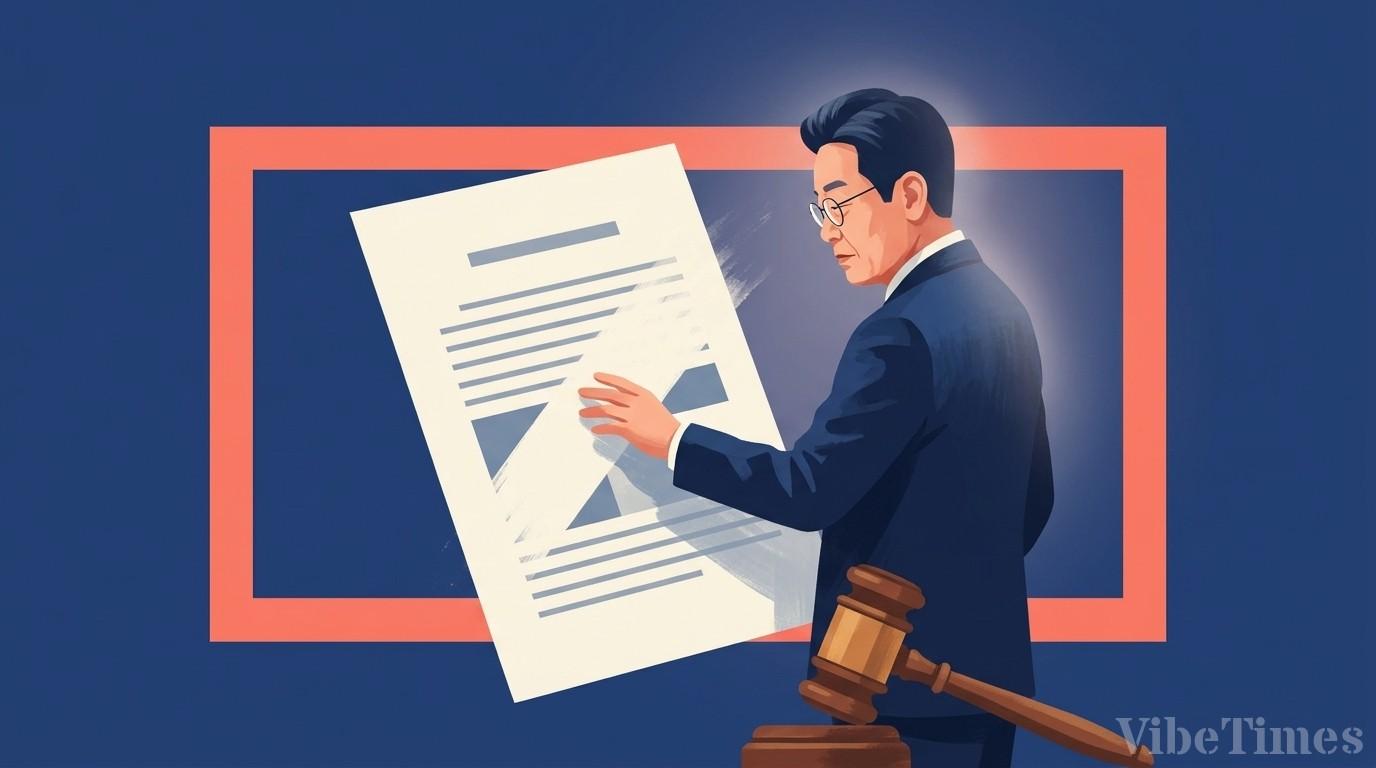
President Lee Jae-myung has directly asked the National Assembly to remove a special counsel power that could work in his own favor.
Regarding the controversy over the so-called "fabricated indictment" special counsel act, President Lee on the 18th asked the National Assembly to "delete the provisions concerning the transfer or disposal of previously indicted cases among the special counsel's contested powers." The move amounts to the president defusing the issue himself, after criticism arose that the special counsel system could be used to try to withdraw indictments in cases involving him. He was also reported to have expressed the view that "the special counsel should focus solely on uncovering the truth, without any controversy over withdrawn indictments."
Why the Indictment Withdrawal Provision Became a Problem
The fabricated indictment special counsel act is aimed at reinvestigating cases that prosecutors previously brought for political motives and righting those wrongs. However, controversy grew when the bill included a provision granting the special counsel the power to take over and dispose of existing indicted cases. This opened the possibility that cases involving President Lee currently on trial could be handed over to the special counsel, who could then withdraw the indictments. Withdrawing an indictment means prosecutors retract a charge they have already filed, producing an effect tantamount to acquittal without ever completing the trial. The opposition has criticized this as "a self-issued pardon through a special counsel."
The ruling party also appears to have felt uneasy about the provision. While establishing the special counsel was itself a symbolic task of correcting abuses of prosecutorial power, the bill's overall justification was undermined once it became tied to the president's personal cases. The president's direct request for deletion is interpreted as an attempt to cut off this structural risk.
Key Provisions and Scope of the Bill
The gist of the bill is to entrust suspected fabricated indictment cases to an independent special counsel rather than ordinary prosecutors. The targets are cases flagged for politically motivated prosecutions, and the special counsel can reinvestigate and decide whether to indict or not. The provision at the center of the controversy is the one that would transfer cases already indicted and on trial to the special counsel, allowing the counsel to take actions such as withdrawing indictments. Critics pointed out that if this provision were retained, criminal trial proceedings could be replaced by the special counsel's disposition, potentially undermining the independence of the courts.
If the president's deletion request is accepted, the special counsel's authority would be limited to uncovering the truth and making new indictment decisions. Cases already pending would proceed under existing court trial procedures. There is also discussion that the law could be designed in a manner similar to the Truth and Reconciliation Commission, publicizing investigation results and urging follow-up measures.
Views from Ruling and Opposition Parties and Experts
The ruling party views the president's request as a decisive step that removes an obstacle to passing the bill, and plans to revise and process it swiftly. This aligns with the ongoing pace of reform legislation, including the ruling party's push to pass 51 follow-up prosecution reform bills. The opposition counters that the very fact the deletion request was made "amounts to an admission that there was an original intent to withdraw indictments." It is expected to demand a full review, noting that disposal powers could remain in other provisions of the bill.
The legal community is divided over the impact the removal of this power would have on the bill's effectiveness. Some argue that refocusing on uncovering the truth reduces political burden but weakens the law's power to legally correct wrongful prosecutions. On the other hand, many hold the view that allowing a separate body to determine the fate of ongoing criminal trials runs afoul of procedural legitimacy.
Outlook for the Legislative Timeline
The National Assembly is expected to reflect the president's request and conduct revised deliberations in the Legislation and Judiciary Committee to strike the provision. With the ruling party holding control over the bill's handling, passage of the revised version appears unlikely to face major obstacles. However, there remains a possibility that the opposition will question the special counsel's independence and the scope of its authority even after the provision's deletion, creating additional debate during review.
The timing of the bill's passage will likely be tied to the schedule for follow-up prosecution reform legislation. The president's request is only a starting point for extinguishing the controversy; the bill's original purpose will only be fulfilled once the special counsel is definitively designed to focus solely on uncovering the truth. As Laozi said, great undertakings are the crystallization of small steps. Whether the deletion of a single provision preserves the special counsel's legitimacy will be decided in the Assembly's follow-up legislation.