OT and IoT Security Protects Lives, Not Just Data

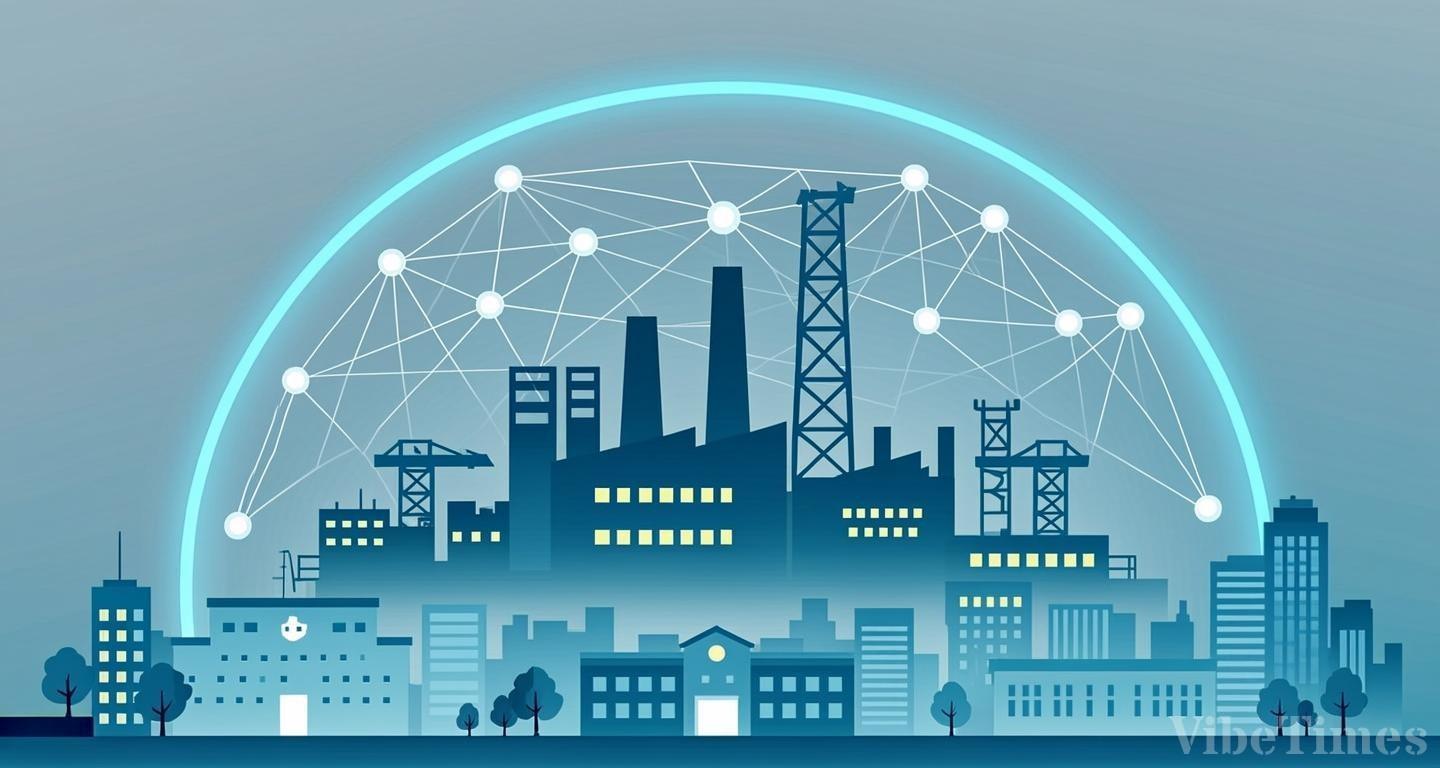
Cyberattacks are opening the door to the physical world. Physical facilities such as factories and power plants have now become targets. As more devices come online through the Internet of Things (IoT) and operational technology (OT), the attack surface grows alongside them.
Attacks that led to physical destruction have followed one after another. Stuxnet, which emerged in Iran in 2010, targeted industrial control systems and is known to have affected centrifuge controls. In 2021, two incidents occurred in the United States. The Colonial Pipeline ransomware attack is a prime example showing how a compromise of IT systems can lead to an OT operational shutdown. After the ransomware infection, pipeline operations were halted, disrupting fuel supplies. That same year, at the Oldsmar water treatment facility, an attacker remotely attempted to raise sodium hydroxide levels to abnormal concentrations, but an operator detected the anomaly and prevented actual damage. The incident confirmed that water treatment facility security is directly tied to public health.
Damage cases have also piled up in the IoT sector. In 2016, the Mirai botnet mass-infected IoT devices using default passwords and vulnerable remote access, leveraging them for DDoS attacks. The 2015 Jeep Cherokee hack demonstrated that vehicles are cyber-physical systems connected to networks. In healthcare, the UK's NHS was hit by the WannaCry ransomware in 2017, and hospital systems went down, delaying treatment, surgeries, and emergency response in ways that could have affected patients' lives.
In smart factories, PLCs, HMIs, robots, sensors, MES, ERP, and cloud analytics systems are all interconnected. If ransomware spreads through a production network, the result is not a mere business disruption but delayed deliveries, production losses, and supply chain disruption. At construction sites and in smart buildings, CCTV, access control, elevators, and fire detection systems are tied together over networks, meaning an attack threatens occupant safety, corporate secrets, and physical security all at once.
In the automotive sector, the key issues are connected cars, autonomous vehicles, EV charging infrastructure, OTA updates, and V2X communications. Cars are no longer just machines but mobile computers, with an attack surface that has widened accordingly.