Han Dong-hoon's Bill to Make the NEC Chairmanship a Full-Time Post

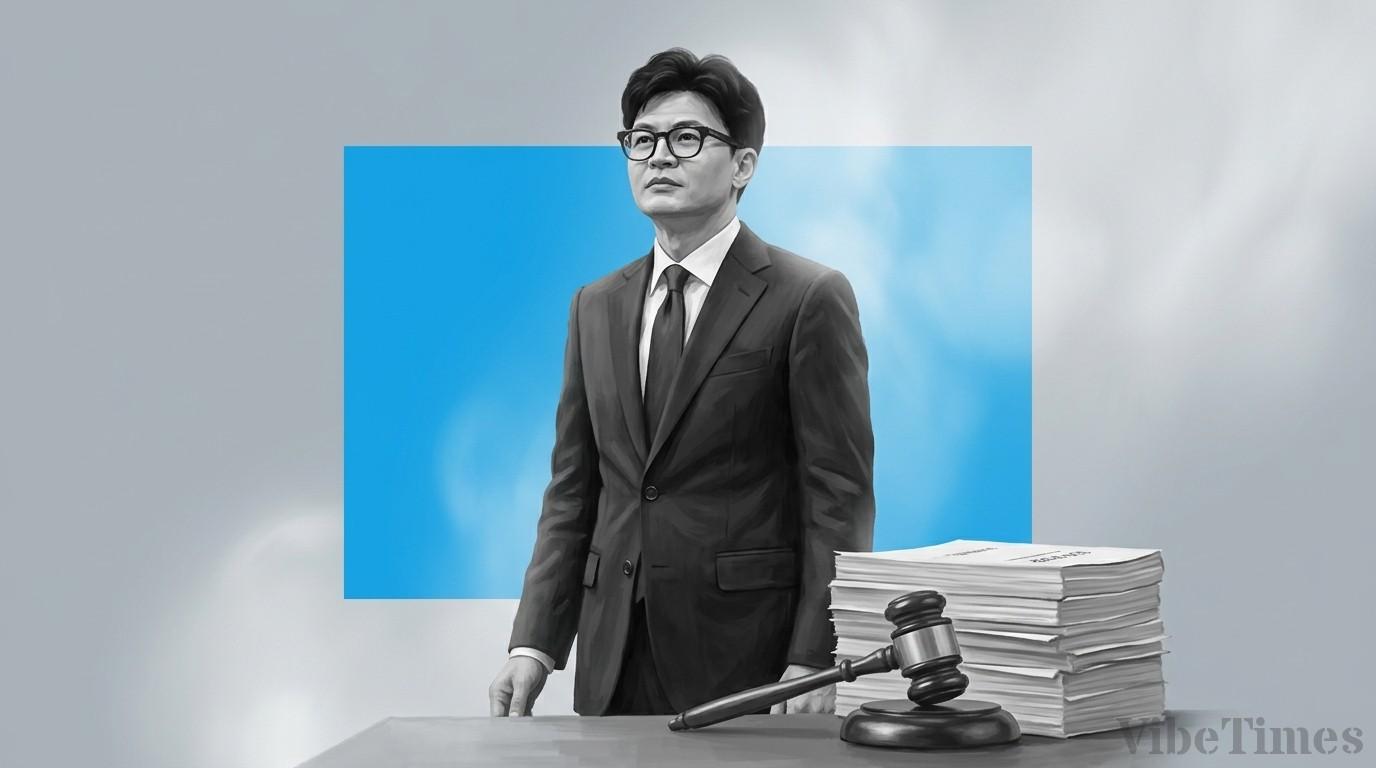
Only Former Supreme Court Justices to Head the NEC... The Core of Han's Bill Is a Full-Time Chairmanship
A bill to turn the chairmanship of the National Election Commission (NEC) into a full-time position has been submitted to the National Assembly. Independent Representative Han Dong-hoon on Tuesday sponsored the bill, saying it would legally guarantee the status and responsibilities of a chairmanship that has become effectively meaningless under the current framework of the Public Official Election Act. The bill centers on making the chairmanship full-time and abolishing the mandatory recommendation of judges, an attempt to resolve through legislation the structural limits of the election management system that have long been raised.
Background of the Bill
Under the current system, the NEC chair has customarily been chosen from among sitting Supreme Court justices. The problem is that a justice must serve as chair while carrying out their core judicial duties. As the three-year chairmanship intersects with a justice's six-year term, the chair has repeatedly been replaced mid-tenure, and critics have long pointed to the structural vulnerability of leadership vacuums emerging at times when election-related issues intensify.
In addition, criticism has been consistently raised that the current provision requiring the Chief Justice to recommend three of the commission's members from among judges effectively allows the judiciary to influence the composition of the NEC. It has been pointed out that the roles of the body that administers justice and the body that manages elections are not clearly separated. The bill is designed to address both of these issues at once: the chair's concurrent-position structure and the mandatory judicial recommendation system.
Key Provisions and Scope
The centerpiece of the bill is making the chairmanship full-time. The idea is to clarify lines of responsibility by requiring the chair to devote themselves exclusively to election management rather than holding any other posts. It also includes abolishing the mandatory judicial recommendation clause to enhance the independence of the commission's composition.
The scope of the bill covers the overall composition principles of the NEC. While the nine-member structure itself would be maintained, the bill is read as aiming to redesign the recommending authorities and procedures to reduce the influence of the executive and judiciary. If the full-time chairmanship is realized, the practice of Supreme Court justices doubling as chair would end by law, and the way the chair performs duties and manages the term would also change from the current system.
Political Reactions and Issues
The ruling and opposition parties' interests are likely to diverge. NEC reform has long been a topic on which the political camps have shown wide gaps. Some in the opposition have viewed the system of justices concurrently serving as chair as a safeguard of electoral neutrality, while reform advocates have countered that the dual role actually weakens accountability. That is why observers say the bill may struggle to secure even committee-level discussion on its way to a plenary session.
The ripple effects of abolishing the mandatory judicial recommendation also draw attention. If the share of members from judicial backgrounds declines, concerns could arise about the commission's legal judgment capacity. On the other hand, there is also considerable support for recognizing the gains of securing personnel diversity and strengthening institutional independence. How much authority, and what checks, to grant the full-time chair is also expected to become an issue during the legislative process.
Legislative Schedule and Outlook
The bill will be discussed in parallel with matters under the Public Official Election Act and reviewed by relevant standing committees, including the National Assembly's Public Administration and Security Committee. As it is sponsored by an independent lawmaker, the ruling party's stance will be key. Some predict it could be bundled with political reform bills in line with the regular session schedule.
The procedural hurdles are clear. But criticism of the chair's dual-role structure has long been a familiar task in and out of political circles, and the fact that this bill brings concrete alternatives into the review stage is itself meaningful progress. Whether consensus can be reached on the core provisions will likely set the pace of the NEC reform debate.
