Guesthouses vs. Camping: The Best Choice for Cutting Accommodation Costs

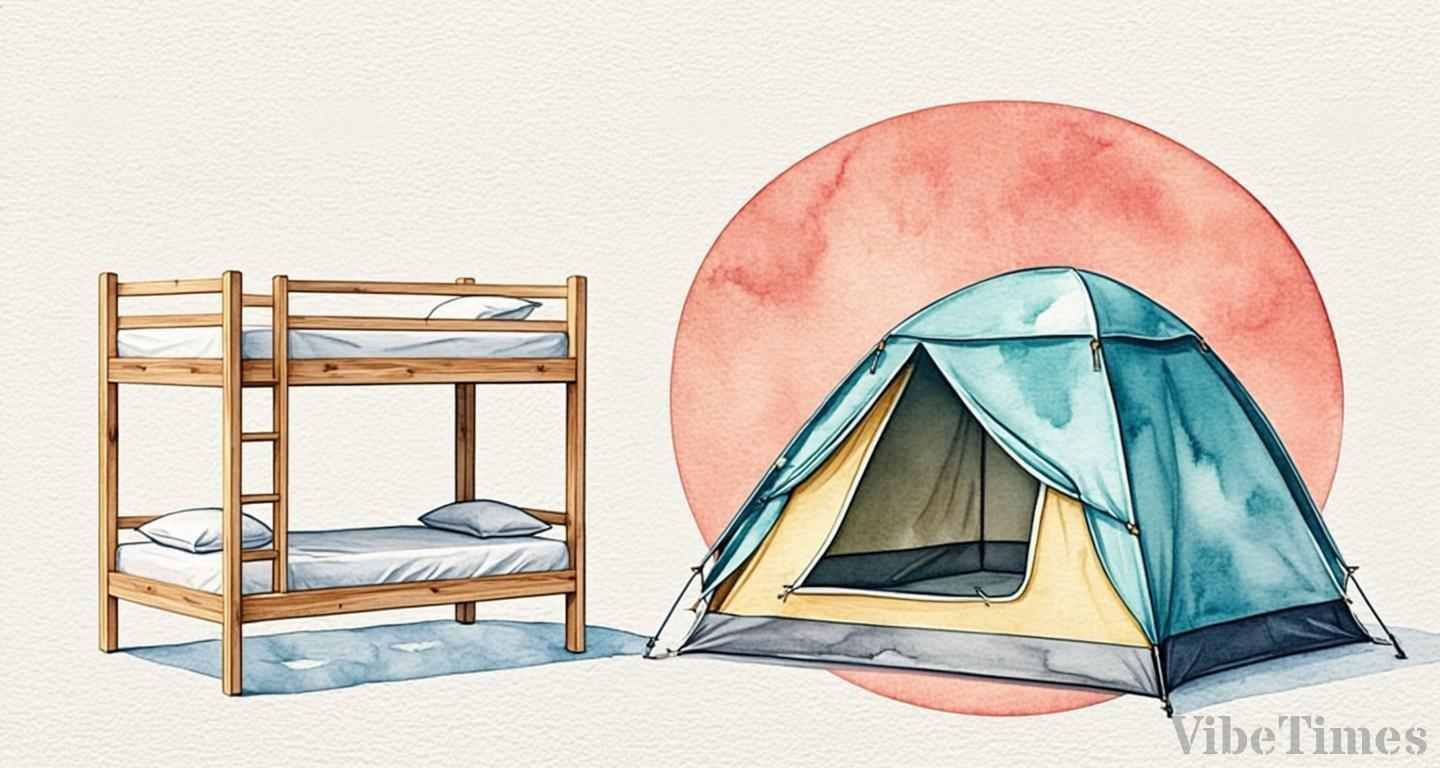
From 15,000-won dormitory beds to 5,000-won public campsites, your choice of accommodation alone can determine 30–40% of your total travel expenses. Lodging is the second-largest travel expenditure after transportation, so choosing the right type of accommodation is key to any cost-saving strategy. Guesthouses, motels, and camping each offer distinct advantages in price, accessibility, and comfort, requiring a choice tailored to your travel purpose.
Why Accommodation Costs Are Central to Your Travel Budget
Peak-Season Rates Now 1.5–2 Times Higher
Unit prices for lodging have risen across the board since the pandemic, fueled by the post-COVID domestic travel boom and inflation. During peak seasons in July–August and year-end holidays, the same accommodation often costs 1.5–2 times its usual rate. With budget travelers—single-person households, university students, and long-term travelers—flocking to popular destinations, choosing accommodations with strong value for money has become a travel skill in itself.
Simply picking the cheapest option isn't enough. The real savings come from comparing 'overall value'—factoring in hygiene, quality of rest, and location.
Price and Basic Specs by Accommodation Type
Guesthouses: The Cheapest Urban Stays at 15,000–30,000 Won per Night
Concentrated in city centers and tourist areas such as Hongdae in Seoul, Seomyeon in Busan, and Jeju, guesthouses attract a high share of foreign backpackers. Dormitory beds run 15,000–30,000 won, while private rooms cost 40,000–80,000 won. For a solo traveler on a 2-night, 3-day trip, a dormitory bed keeps lodging costs to roughly 30,000–60,000 won. Weekly discounts are common, making guesthouses increasingly economical for longer stays.
Motels: 50,000–100,000 Won per Night, Instant Check-In Anywhere in the Country
Spread evenly nationwide near train stations and transit hubs, motels' biggest advantage is that they can be used immediately regardless of arrival time. Day-use (4 hours) runs 30,000–50,000 won, with overnight stays at 50,000–100,000 won—splitting the cost between two people brings it down to 25,000–50,000 won each. Residence-style and premium motels have proliferated recently, putting hotel-level facilities on the menu, but rates can exceed 150,000 won in peak season, making comparison essential.
Camping: 5,000–15,000 Won at Public Sites, but Gear Investment Is the Catch
South Korea has roughly 3,500 registered campsites, with public site fees of 5,000–15,000 won—the cheapest lodging option available. The problem is the upfront gear cost: kitting yourself out with a tent, sleeping bag, lantern, and mats can run 300,000–1,000,000 won or more. Camping experts point out that unless you camp three or more times a year, saving on gear may not add up economically compared to motels. Private glamping and caravan sites charge 80,000–200,000 won, actually more expensive than motels.
The Best Choice for Every Situation
Solo Travel or Meeting People? Go Guesthouse
With accommodations right in the heart of tourist routes, you save on transportation costs too. A well-developed culture of sharing travel tips in common areas has taken root, and industry insiders note that guesthouses are shifting toward local experiences and community-building beyond mere value. Dormitories carry theft risks, so checking locks and lockers is a must, and communal bathroom hygiene should always be verified through reviews.
Couples or Irregular Arrival Times? Go Motel
With guaranteed privacy and flexible check-in, motels suit couples and families. However, the two-person rate applies even for solo use, making it inefficient, and extra charges apply if you exceed day-use or overnight hours. Some establishments have no-refund policies after payment, so booking terms should be confirmed in advance.
Own Gear and Crave Nature? Go Camping
If you already own your equipment, camping ranks lowest in total cost, followed by guesthouses and then motels. The trade-off is a long list of things to check: weather risks like heavy rain and strong winds, riverside safety rules, and open-fire regulations. Popular public campsites see fierce competition from the moment reservations open (usually 1–2 months in advance), so book quickly once your dates are set.
Booking Strategies to Maximize Savings
Off-peak timing and early booking are the basics
Timing alone can create a 1.5–2x price gap for the same accommodation. Off-season and weekday stays are the most reliable way to save, but if peak season is unavoidable, locking in prices with early booking at least 1–2 weeks ahead is safer. Cross-checking rates across platforms like Yanolja, Yeogi Eottae, Agoda, and Hostelworld, as well as official accommodation channels, also helps prevent unnecessary spending.
The Bottom Line: A Three-Line Decision Guide
Price: Camping; Comfort: Motel; Balance: Guesthouse
For the lowest cost with gear in hand, camping wins; for immediate comfort upon arrival, the motel; for a balance of cost, location, and social connection, the guesthouse is closest to the right answer. Lodging researchers emphasize that total cost and real value can flip depending on circumstances. For long trips, a hybrid strategy—guesthouses in urban stretches and camping in nature—appears most efficient. Since lodging prices fluctuate in real time, don't forget to check the latest rates right before finalizing your booking.
