PPP submits bill to abolish early voting as party agenda

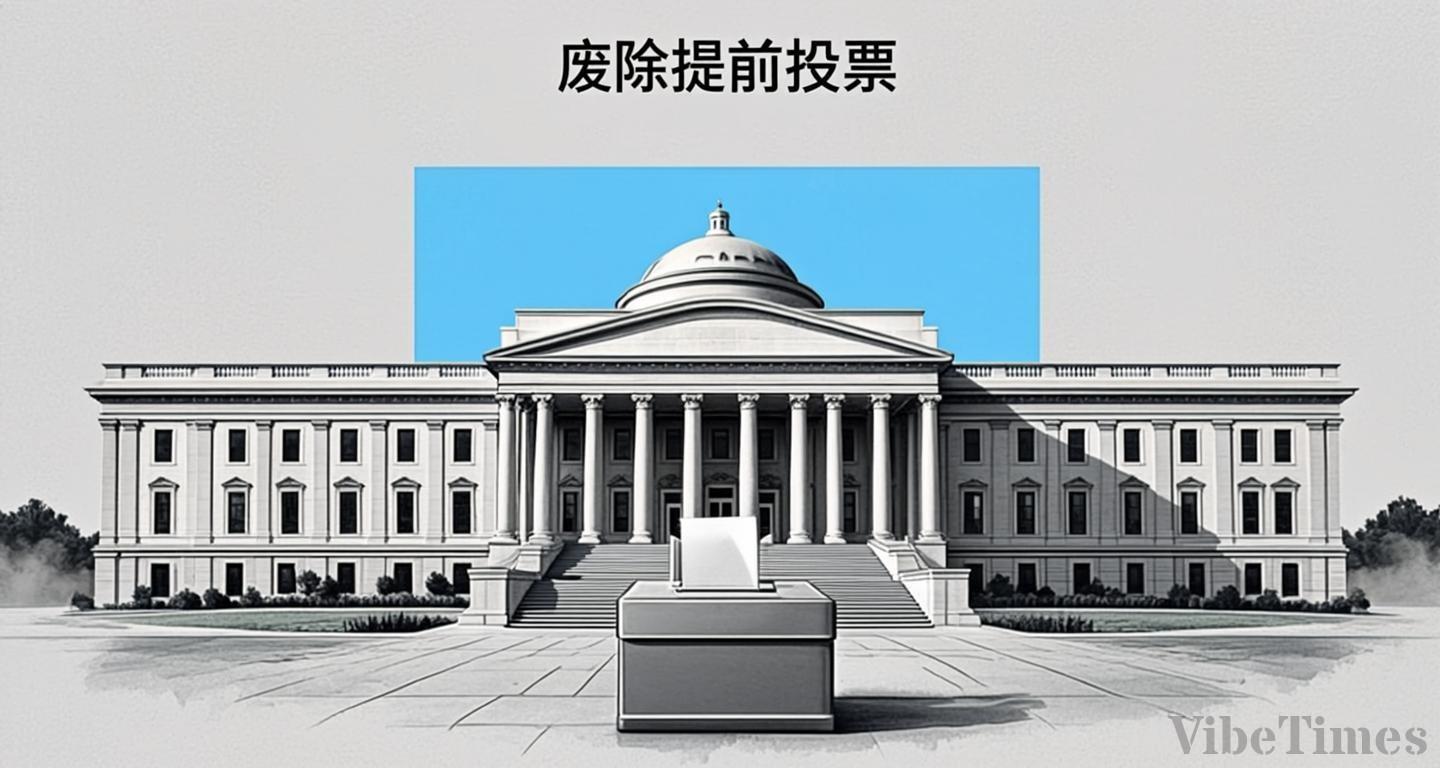
The People Power Party (PPP) has put forward a party-backed bill whose centerpiece is the abolition of early voting, titled the 'Act to Protect the People's Right to Vote.'
The PPP's special committee to investigate violations of voting rights in the June 3 election and reform election administration submitted a full-scale revision of the Public Official Election Act and other related bills to the National Assembly's bill office on the 21st. Rather than a single piece of legislation, the opposition party packaged the proposals as a sweeping overhaul of relevant laws, which it described as "an restructuring amounting to the dissolution of the National Election Commission."
Ballot Shortage Crisis Provides Legislative Justification
The immediate trigger for the legislation was the ballot paper shortage during the June 3 local elections. Ballot papers ran out at several polling stations shortly after voting began, forcing voters to wait or turn away, sharply shaking public confidence in the Election Commission's ability to manage elections. The PPP has characterized the incident as a "violation of citizens' voting rights" and has pursued both an investigation and institutional reform.
The case gained momentum when it was revealed that the contractor supplying early voting ballot boxes was run by a former NEC official, adding bid-rigging suspicions to the mix. With Special Prosecutor Lee Tae-han's team investigating the company's chief, demands for reform of the NEC itself escalated into the form of a legislative proposal.
Key Provisions of the Bill
The central pillar of the election law amendment is the abolition of early voting. The PPP argues that the early voting system itself has become the structural foundation of mismanagement and fraud suspicions. The idea is to eliminate the current two-day early voting period and return to elections centered on election day voting.
The proposed overhaul of the NEC Act focuses on organizational restructuring. Its core is the introduction of an independent statutory audit committee composed of a majority of outside experts. The committee would be granted the power to demand disciplinary action and file criminal complaints, with audit results and follow-up measures required to be reported to the National Assembly. The design aims to break the current structure in which internal NEC audits result only in internal discipline.
A plan to make the NEC chairman a full-time position has also been discussed. Independent lawmaker Han Dong-hoon earlier introduced a bill to make the NEC chairman full-time and abolish the mandatory recommendation of judges, showing that restructuring discussions are advancing along multiple tracks within the ruling bloc.
Political Shockwaves and Divided Reactions
A partisan standoff appears inevitable. The PPP, citing the ballot shortage and bid-rigging allegations, insists that a "restructuring amounting to the dissolution of the NEC" is necessary. The Democratic Party, however, views early voting as a universal system that provides voting convenience for workers and mobile populations, and is likely to oppose its abolition. Political interpretations that scrapping early voting amounts to a rule change favoring one side have already spread.
There are also institutional concerns: early voting turnout has steadily risen across two presidential and general elections, so critics argue abolition would reduce accessibility to the ballot box. On the other hand, if early voting mismanagement keeps recurring, it could undermine trust in elections as a whole, making criticism of maintaining the system without safeguards equally valid. The debate ultimately boils down to which should take priority: "convenience" or "trust."
Legislative Process and Outlook
The bill will be reviewed by the relevant standing committee, then move to the Legislation and Judiciary Committee and a plenary session. Even with a majority, the PPP will find it difficult to unilaterally pass the election law revision without political consensus. In particular, since abolishing early voting would fundamentally change the electoral system, passage through committee appears unlikely without negotiation with the Democratic Party.
In the short term, the special prosecutor's findings could prove decisive. The more substantiated the ballot box bid-rigging investigation becomes, the greater the pressure for reform; conversely, if the allegations shrink, legislative momentum may weaken. The NEC restructuring debate could also drag on, intertwining with discussions on the electoral system for the next general election. As the saying goes, people do not trust leaders who waver in a crisis — which is why observers say the NEC's very existence now depends on how it responds to this crisis.