From 2030, Korea to Lose a Mid-Sized City's Worth of Population Every Year

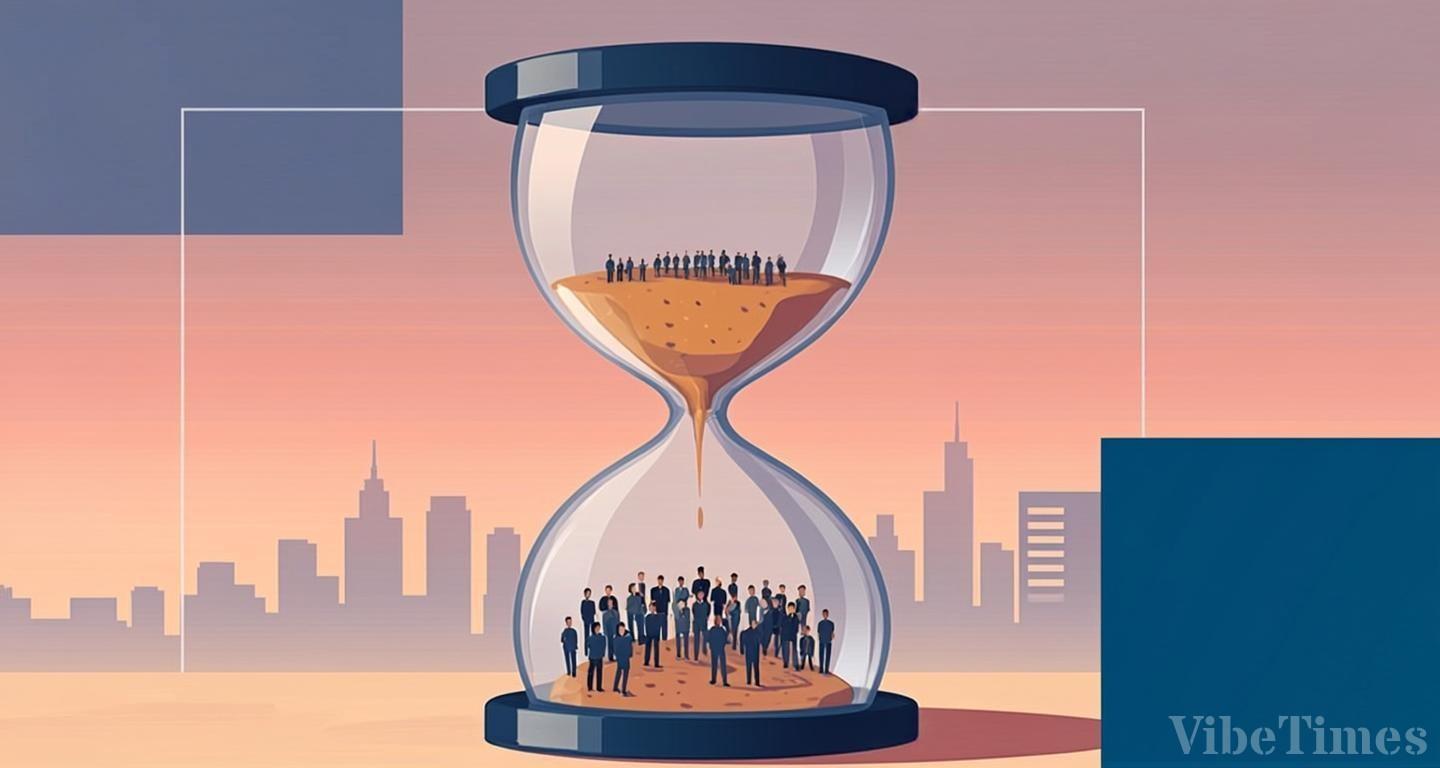
South Korea's working-age population (those aged 15 to 64, the core driver of its economy) peaked in the late 2010s and has since entered a downward slide; from 2030, the country will lose a population the size of a mid-sized city every year. In a column published in Financial Consumer News on the 26th, Dr. Kwon Eui-jong and Dr. Lee Wang-ro diagnosed this change not as an unpredictable variable but as a 'predestined future' confirmed by statistics. Their assessment is that during the 2030s, the nation will lose a workforce equivalent to one large mid-sized city annually. They foresee that a shortage of 'people to work' will become an everyday reality across society, from manufacturing floors to cutting-edge IT ecosystems, services, and the public sector. A shrinking workforce means the country's productivity and effective demand contract simultaneously.
Supply chain disruptions are already emerging from the deepest layers of the industrial structure. Small and medium-sized manufacturers, agriculture and livestock/fisheries, and construction sites have reached a point where they can hardly operate without foreign workers. Regional industrial complexes and construction sites, cut off from an influx of young workers, are being sustained by elderly laborers, resulting in reduced work efficiency and heightened risks of industrial accidents.
The talent shortage has spread to high-tech industries as well. Even in future core strategic industries such as semiconductors, batteries, biotech, and AI, the supply of new research and engineering talent has plummeted, overheating the competition for talent between large corporations and small and medium-sized enterprises. Underfunded SMEs and startups are struggling to retain existing staff, let alone develop new technologies. As the absolute size of human resources declines and innovation momentum weakens, companies are relocating production facilities and research centers overseas, creating a vicious cycle of domestic job losses and hollowing out of the industrial base, the analysis found.
The decline in the labor force also shakes the foundations of national finances. While the taxpayer base that generates income tax, value-added tax, and corporate tax crumbles, the elderly population is exploding. A structural deficit of falling revenues and surging spending leads to government bond issuance, threatening even the nation's creditworthiness, it was pointed out. The past structure in which five to six working-age people supported one elderly person will transform into one in which only one or two support a single senior. As each worker must shoulder a heavier burden of taxes and social insurance premiums, real incomes shrink, and the resulting contraction in private consumption pushes the domestic economy into recession, the analysis said.
The two doctors warned that the supply chain disruptions and weakening economic constitution brought on by demographic change are becoming South Korea's greatest vulnerability.