Iran Airstrike: The First War with AI as a Staff Officer

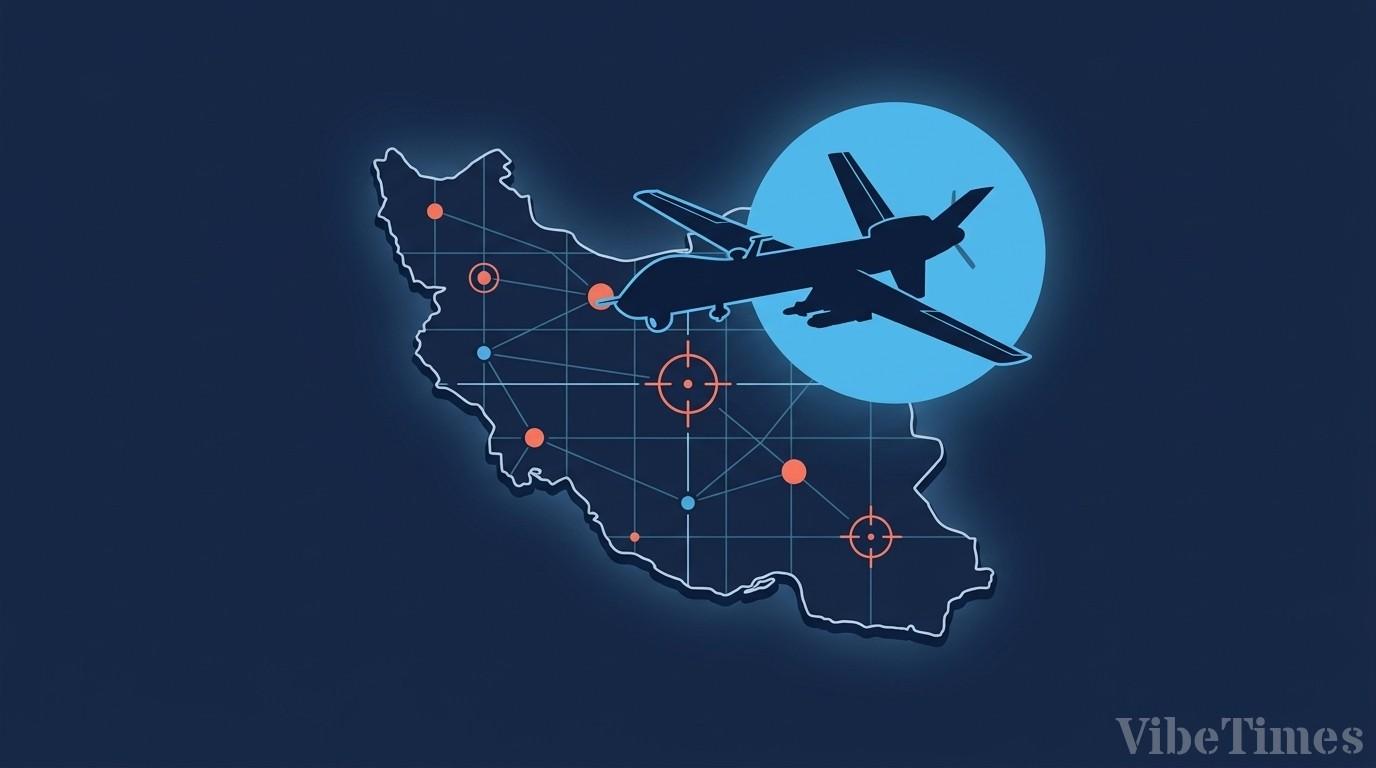
The war in which the United States and Israel launched airstrikes against Iran last February has been recorded as the first-ever 'AI war,' with artificial intelligence officially involved throughout the entire course of operations. Claude, a model from American AI company Anthropic, served as a staff officer, handling everything from intelligence gathering to target identification. In a recent report titled 'The Beginning of AI Warfare: The Iran Airstrike and Implications of Claude for Our Military,' Seo Young-bo, a senior research fellow at the Korea Institute for Defense Analyses, assessed the airstrike as a historic turning point at which commercial AI was incorporated as a core decision-support tool for military operations. It was, he said, the first actual combat case in history in which AI took on a role akin to the human brain within a command and control system.
When planning an operation, military commanders assess six operational factors — mission, enemy, terrain and weather, troops available, time available, and civil considerations (METT-TC) — against situation-specific response manuals before making a judgment. This process inevitably takes time for human analysts. U.S. military analysts need anywhere from weeks to just days just to review satellite imagery, communications intercept data, social media and open-source intelligence, and agent reports.
Claude dramatically shortened this information processing and analysis time. It rapidly analyzed vast volumes of satellite imagery and intercepted intelligence to extract militarily meaningful information, and expanded its scope of work to include intelligence assessment, pinpointing target locations, evaluating strike value, and battlefield simulations. While the final strike decisions in this war were still made by humans, it was recorded as the first real combat case in which AI began serving as the battlefield's 'analyst staff officer.'