With a 34% Vacancy Rate in Veterinary Positions, the Front Line of Livestock Disease Control Is Collapsing

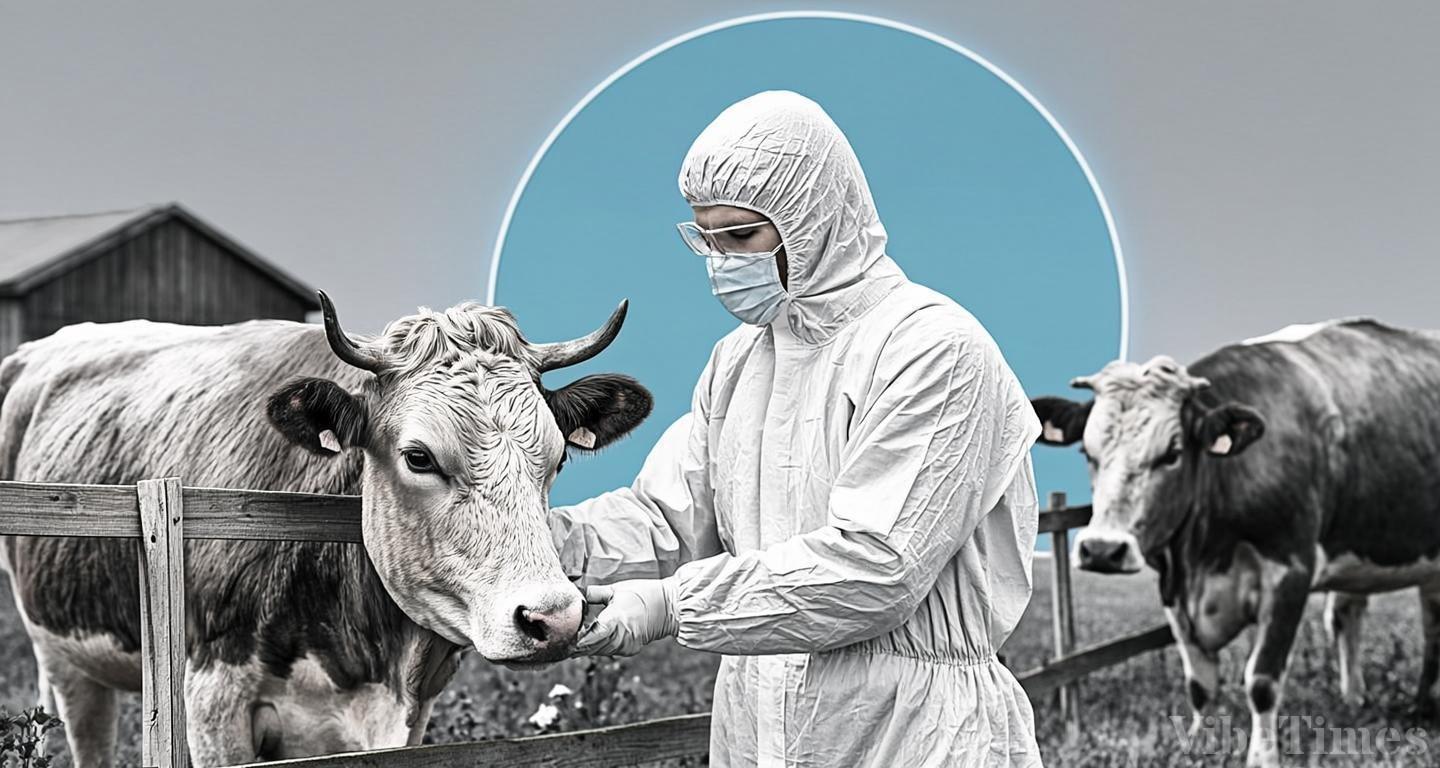
A Livestock Biosecurity Field Riddled with Holes
One in three government veterinary officials tasked with guarding the front line of livestock disease control is unfilled, according to data released by the National Assembly Research Service on the 28th. The vacancy rate for veterinary public officials surpassed 34% as of last year. The figure, compiled from statistics by the Ministry of the Interior and Safety and the Ministry of Agriculture, Food and Rural Affairs, covers only veterinary posts under central government agencies, not local governments.
The problem is that demand for disease control and the supply of personnel are moving in opposite directions. Outbreaks of livestock infectious diseases such as foot-and-mouth disease, highly pathogenic avian influenza (AI), and African swine fever (ASF) are growing ever more frequent and severe, yet the field veterinarians needed to handle them are not being hired. Indeed, as avian influenza recurs every winter, driving sharp increases in culling, movement controls, and farm inspections, organizational staffing has actually been shrinking.
Why Veterinarians Shun Public Service
Behind the vacancies lies a gap in pay and working conditions. Qualified veterinarians have plenty of options in the private sector, such as opening animal hospitals or joining pharmaceutical, feed, or biotech companies, while public-sector compensation cannot keep up. In addition, the frontline emergency disease-control work required during livestock outbreaks carries considerable physical and psychological strain, along with infection risks.
Structural factors are also cited: after decentralization, livestock disease-control duties at the city, county, and district level were transferred to local governments. New veterinary hiring has been postponed depending on local fiscal conditions, widening regional disparities in biosecurity gaps. The Research Service also reportedly noted that such staffing shortfalls could weaken the early-response system for containing livestock disease outbreaks.
The Biosecurity Vulnerabilities Created by a 34% Vacancy Rate
The 34% figure is hard to dismiss as a mere administrative statistic. The core of livestock disease control lies in epidemiological investigations and movement restrictions carried out within the first 24 to 48 hours of an outbreak. A shortage of field veterinarians during this window leads to larger-scale culling, with control costs passed on to the state and farmers. Given the precedent of the past foot-and-mouth epidemic, which caused trillions of won in direct losses, staffing vacancies also represent a latent fiscal risk.
The economic ripple effects are substantial as well. Korea's livestock exports are directly tied to quarantine requirements, and if confidence in the country's biosecurity is shaken, importing countries could impose import restrictions. At a time when poultry and pork exports are growing, inadequate disease-control infrastructure is expected to undermine industrial competitiveness.
Legislative Response and Tasks Ahead
Demands for a National Assembly-level response are expected to grow. Representative measures under consideration include revisions to civil servant pay rules to improve the treatment of veterinary officials, legislation to secure staffing for dedicated livestock disease-control organizations, and expanded mandatory service requirements for veterinary national scholarships. Establishing a legal basis for an emergency mobilization system to rapidly deploy private veterinarians during disease outbreaks is also expected to be raised as a task.
The Research Service's data may be used as grounds for bills related to securing veterinary personnel during the National Assembly's Agriculture Committee audit and regular sessions. However, treatment improvement measures requiring funding must clear the hurdle of consultations with the Ministry of Economy and Finance, so a short-term fix is not expected to be easy. As long as livestock diseases continue their seasonal cycles, observers say, the speed of closing the staffing gap will effectively determine the probability of a biosecurity failure.