EU's regulatory arrow now points at online platforms

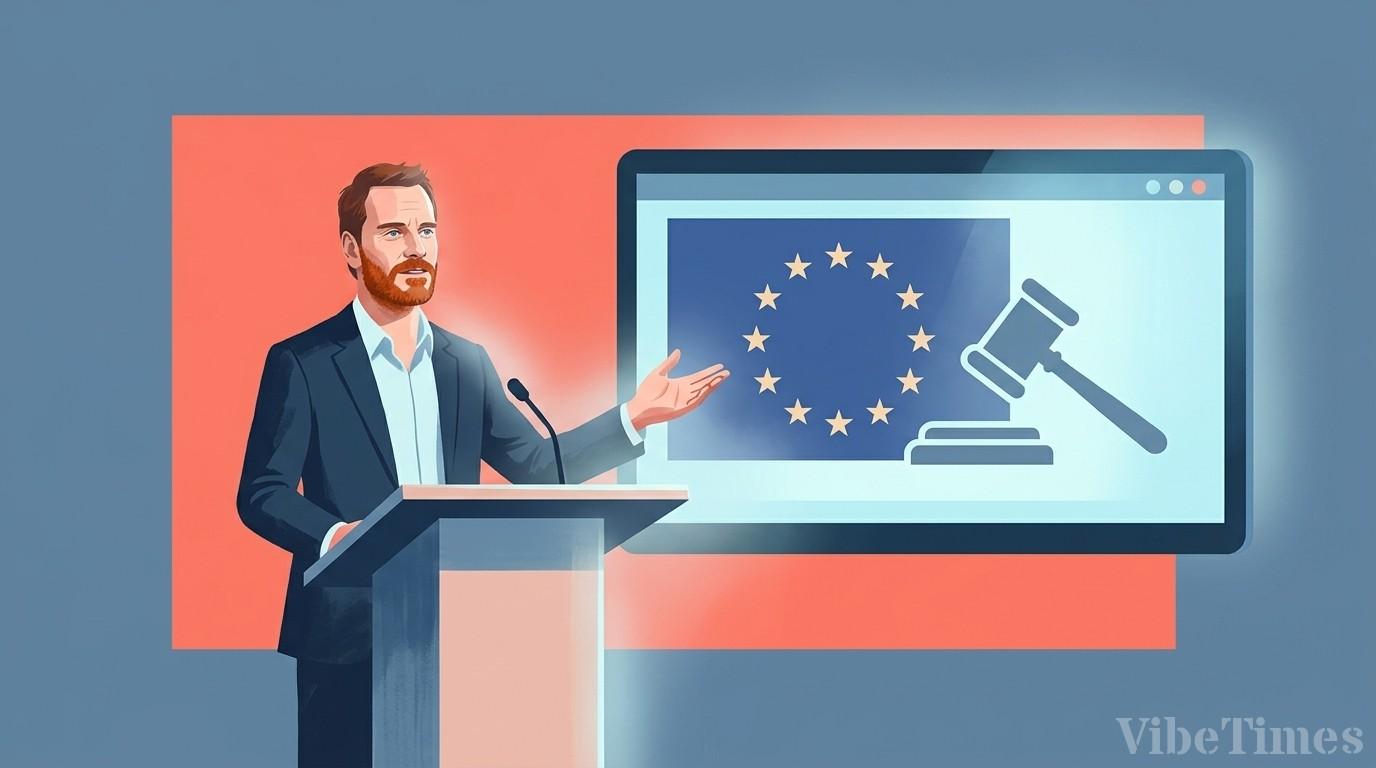
On the 11th (local time), the European Commission unveiled a draft of new legislation, the Digital Fairness Act (DFA), designed to curb unfair digital trading practices such as so-called "dark patterns" (covert manipulation techniques) that induce users to spend more time and money online. Until now, the EU has regulated tech companies through the Digital Markets Act (DMA) and the Digital Services Act (DSA), focusing primarily on market monopolies and personal data protection. With this move, the scope of regulation has been extended to the core strategies of online services themselves.
The draft includes provisions that would allow certain features designed to induce compulsive or excessive online use to be directly blocked, and companies found in violation could face fines of up to 6% of their global annual revenue. The EU explained that regulated dark patterns could include tactics such as telling consumers that a product is nearly sold out, or making it difficult to cancel subscription services.
The new regulation is expected to have a significant impact not only on major social media platforms such as Google's YouTube, Meta's Instagram, and ByteDance's TikTok, but also on e-commerce services and AI chatbots.
With the EU accelerating the legislative process—Commissioner for Justice Michael McGrath personally presented the draft on the 11th (local time)—this bill differs from previous regulations in that it shifts power to users, enabling them to block features that encourage excessive online use on their own.
