Don't Confine Dementia Patients—Redesign Their Homes Around Their Brains

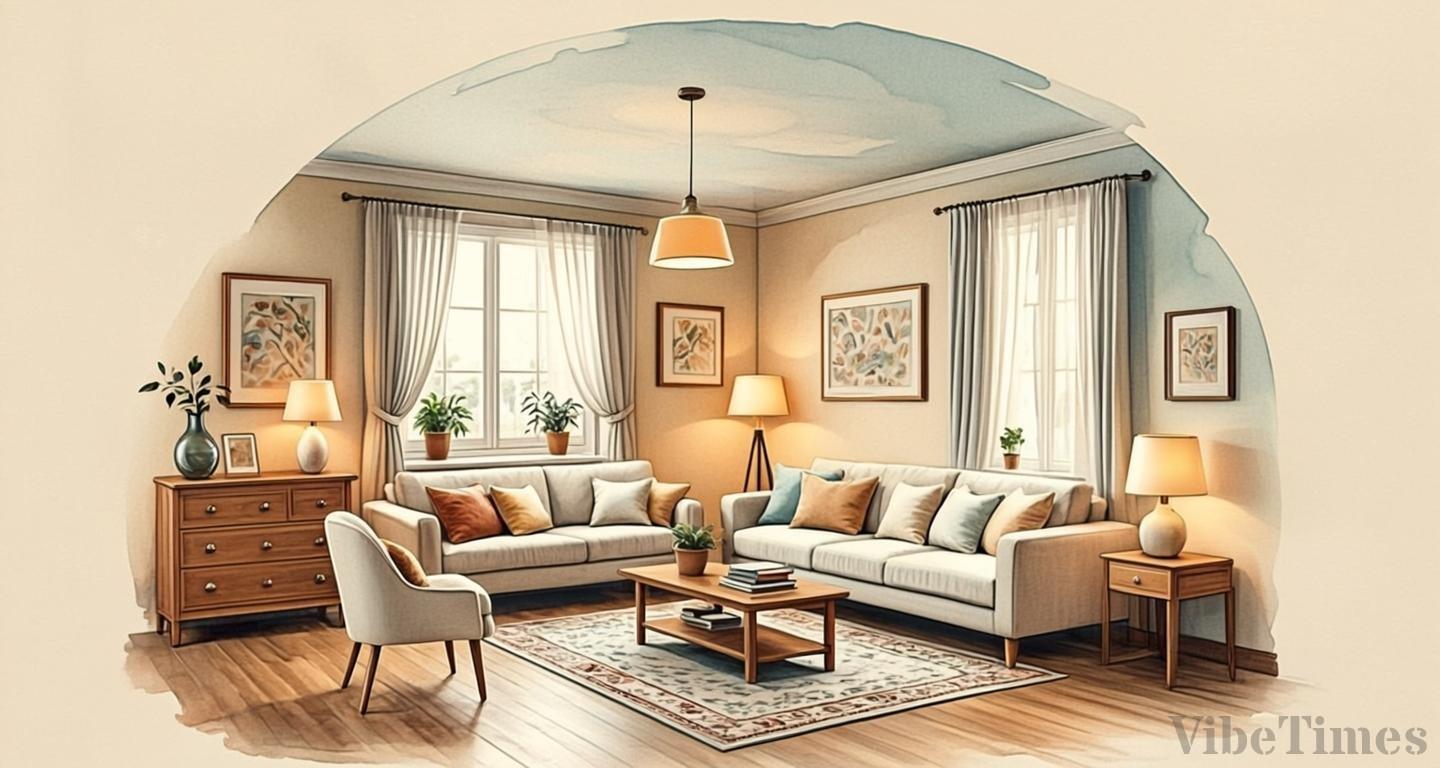
A cure for dementia still remains out of reach. For this companion piece to its special series "Vanishing Memories, the People Left Behind," the HIT News reporting team turned its attention not to drugs, but to the "environment"—introducing real-world care alternatives that show how homes and spaces can be redesigned so patients and their families can live together, right now.
The team sat down with Son Hye-ju, a professor of nuclear medicine at Chung-Ang University Hospital, on the 10th. The concept she proposed is called "Neuroterior": designing the residential environment—lighting, colors, furniture arrangement, storage, and movement pathways—around the cognitive and behavioral characteristics of dementia patients. The key is not to unilaterally control patients' behavior, but to improve their surroundings so they can make the most of the abilities they still have.
"We only look at this problem through the lens of dementia patients going 'missing,' so we lock our doors and repress and control the brain's instincts," she said. "Understanding why they go out and what they're looking for has to come first." When cognitive function declines, patients may fail to find the bathroom at home or mistake a door for a wall.
The specific solutions are simpler than one might think. Creating a brightness contrast between walls and floors, and giving frequently used items like toilets or door handles colors that stand out from their surroundings, helps patients locate objects and understand what a space is for. Glossy floors can look like standing water, so matte materials with simple patterns work better. For nighttime bathroom visits, the design must balance the darkness needed for sleep with lighting that allows safe movement, given the risk of falls.
How objects are arranged can also reduce cognitive burden—for example, keeping only the most-used buttons on a remote control exposed and covering the rest. Placing a single outfit for the next day in the closet, laid out in the order it will be worn from underwear to outerwear to shoes, allows patients to dress themselves step by step. "The heart of Neuroterior isn't grand construction projects or expensive interior materials," Son said. "It's choices grounded in brain science."
This approach extends beyond individual homes to the village level. Hogeweyk in Weesp, the Netherlands, is a dementia-specific residential model designed to preserve daily life rather than restrict patients' movement. In a village equipped with a supermarket, cafe, restaurant, theater, and park, residents shop, stroll, and carry on their daily routines with staff support. Medical staff forgo nurses' uniforms, instead playing the roles of shopkeepers and cafe workers to minimize residents' sense of living in a facility.
Son sees Hogeweyk's significance in its shift of the question. "In care, we usually ask, 'What should we forbid in order to eliminate risk?' But Hogeweyk asks, 'What support would let this person keep doing this activity?'" A day spent choosing to take a walk, setting the table, and meeting others is different from a day spent merely being protected, she noted.
The team also reported on the front lines of dementia drug development, which the special series could not cover. HIT News met with Kim Dae-soo, a professor at KAIST, and Son Hye-ju of Chung-Ang University Hospital to ask why developing a dementia treatment is so difficult.