Daytime Drowsiness Stems From the Quantity and Quality of Nighttime Sleep

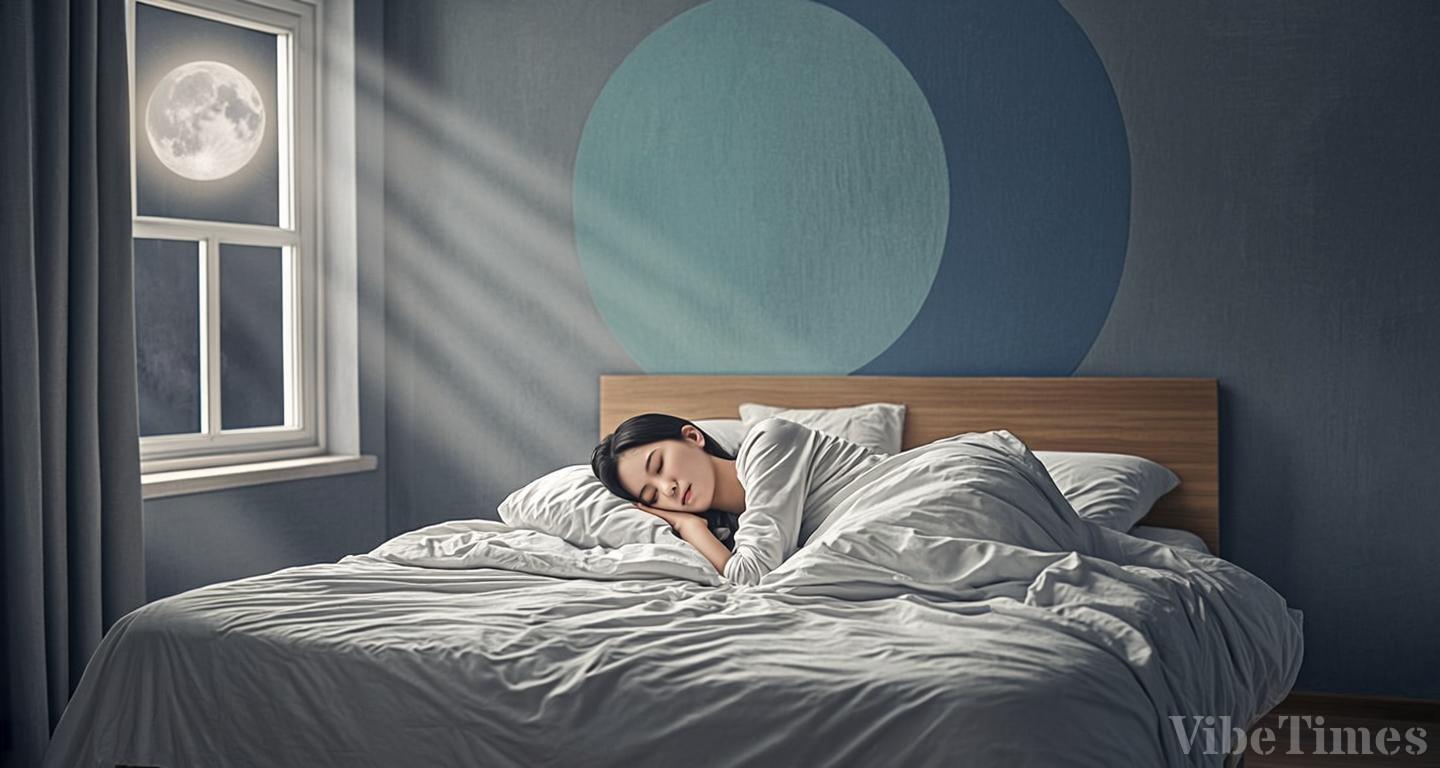
The drowsiness that creeps up during the day is not a matter of willpower but the result of the quantity and quality of your sleep the night before.
Papering over it with caffeine and naps is not a real solution. Most causes of daytime sleepiness lie in the previous night's sleep. According to a 2023 survey by the World Sleep Society, South Korean adults average about 6.9 hours of sleep, falling short of the recommended 7 to 9 hours. In short, if you establish three pillars — a fixed wake-up time, sufficient sleep duration, and managing sunlight, exercise, and caffeine — daytime drowsiness will decrease for most people within two to four weeks.
The Real Cause of Daytime Sleepiness Lies in the Night
Sleep Deprivation and Poor Sleep Quality Require Different Solutions
If your sleep duration itself is insufficient, extending your bedtime is the answer. On the other hand, if you are getting enough hours but still feel unrefreshed, quality is likely the issue. Snoring, sleep apnea, and insomnia repeatedly fragment sleep during the night. As a result, even eight hours of sleep leaves you short on deep sleep. If you never wake up feeling refreshed and daytime drowsiness persists, the first step is determining whether the problem is quantity or quality.
It May Signal a Medical Condition, Not Simple Fatigue
Hypothyroidism, anemia, and depression are classic causes of daytime sleepiness. Some medications, such as antihistamines, also induce drowsiness. The Korean Sleep Research Society recommends that anyone scoring 10 or higher on the Epworth Sleepiness Scale be evaluated for a sleep disorder rather than simple fatigue and seek a specialist. The scale is freely available online for self-assessment.
The State of Sleep Among Koreans and Self-Diagnosis
Near the Bottom of the OECD in Sleep Time, With Insomnia Prevalence of 10–17%
South Korean adults average about 6.9 hours of sleep, placing them near the bottom among OECD countries. Chronic insomnia affects 10 to 17 percent of adults, while sleep apnea is found in roughly 4 percent of men and 2 percent of women. The fact that 20 to 30 percent of adults habitually nap is evidence that nighttime sleep is not doing its job.
Weekend Catch-Up Sleep and 'Social Jet Lag'
Shift work, late bedtimes, and irregular wake-up times disrupt the circadian rhythm, the body's internal clock. Sleeping in on weekends to make up for weekday sleep deprivation creates a jet-lag-like state, throwing the rhythm off again by Monday morning. Start by checking whether your wake-up time differs by more than an hour between weekdays and weekends. If it does, correcting the rhythm is your first priority.
Strategy 1 — Fix Your Wake-Up Time and Work Backward Through Sleep Cycles
Fix the Wake-Up Time, Not the Bedtime
The anchor of the sleep rhythm is not bedtime but wake-up time. Getting up within ±1 hour every day, weekends included, stabilizes the biological clock and brings natural drowsiness in the evening. Forcing yourself to lie down early when you are not sleepy actually reinforces insomnia. Build the rhythm in this order: fix the wake-up time, feel evening drowsiness arrive, then go to bed naturally.
Calculating Bedtime Backward in 90-Minute Cycles
Sleep repeats in cycles of roughly 90 minutes. Setting your bedtime by counting back in 90-minute units from your wake-up time reduces the chance of waking during deep sleep. Six cycles equals nine hours, five cycles seven and a half hours, and four cycles six hours. Factoring in the 15 to 20 minutes it takes to fall asleep makes the calculation even more accurate.
Strategy 2 — Redesigning Your Evening Habits
For Caffeine and Alcohol, Timing Matters More Than Quantity
Caffeine has a half-life of five to six hours. More than half of the coffee you drink after 2 p.m. is still in your system at bedtime. Alcohol may seem to help you fall asleep, but it fragments REM sleep in the latter half of the night, causing frequent early-morning awakenings. Meals should likewise be finished three hours before bed, avoiding both overeating and going to bed hungry.
Screens Off an Hour Before Bed and Optimizing the Bedroom
The blue light from smartphones suppresses melatonin, the sleep hormone, and the content itself stimulates the brain. Turning off screens an hour before bed and switching to low-stimulation routines such as reading, meditation, or a warm shower speeds up the transition to sleep. The optimal bedroom temperature is 18–22 degrees Celsius, and blackout curtains and earplugs block out light and noise. It is also important to reserve the bed for sleep only.
Frequent Sleep Paralysis or Nightmares? Check Your Sleep Quality First
Recurring sleep paralysis or vivid nightmares often stem less from the dreams themselves than from poor sleep quality and stress. If you wake frequently or never feel rested despite sleeping, do not blame your dreams — your sleep itself needs checking.
Strategy 3 — Managing Daytime Activity and the Rules of Napping
15–30 Minutes of Morning Sunlight and 150 Minutes of Weekly Exercise
Exposure to morning sunlight for 15 to 30 minutes is the most powerful tool for regulating the circadian rhythm. Aerobic exercise is recommended at least 150 minutes a week, but should be finished three hours before bedtime. The post-lunch slump results from a physiological response to eating combined with a mid-day dip in the circadian rhythm, and even a short walk can ease it.
Keep Naps Under 20 Minutes and Before 3 P.M.
A short nap effectively restores afternoon focus. However, napping more than 30 minutes, or late in the afternoon, lowers nighttime sleep pressure and invites insomnia. Feeling the need for a nap is itself a signal that nighttime sleep is insufficient — the right response is to address the underlying cause.
When to See a Doctor and Common Mistakes
Three Warning Signs
See a doctor when daytime sleepiness persists for more than three weeks and interferes with daily life, when breathing pauses are observed alongside snoring, or when fatigue, headaches, and poor concentration continue despite adequate sleep. If drowsiness causes lapses in consciousness while driving, immediate medical attention is required. In such cases, precise diagnosis through a polysomnography test is the fastest route to recovery, and positive airway pressure therapy is the standard treatment for sleep apnea.
Priorities in Choosing a Treatment
For chronic insomnia, cognitive behavioral therapy (CBT-I) is the international standard first-line treatment, with the most durable effectiveness. The American Academy of Sleep Medicine's 2023 recommendations likewise emphasize prioritizing behavioral therapy over medication. Sleeping pills carry risks of dependence and rebound insomnia and should remain a short-term aid only. Mistakes to avoid at all costs include weekend catch-up sleep, lying in bed for more than 20 minutes unable to sleep, and falling into a vicious cycle of fighting daytime drowsiness with coffee only to lose the night to insomnia. A day free of drowsiness is decided not by daytime effort but by how you designed the previous night.
