Bill Allowing State-Designated Hospital Transfers to End Emergency Room 'Gurney Rounds' Passes National Assembly

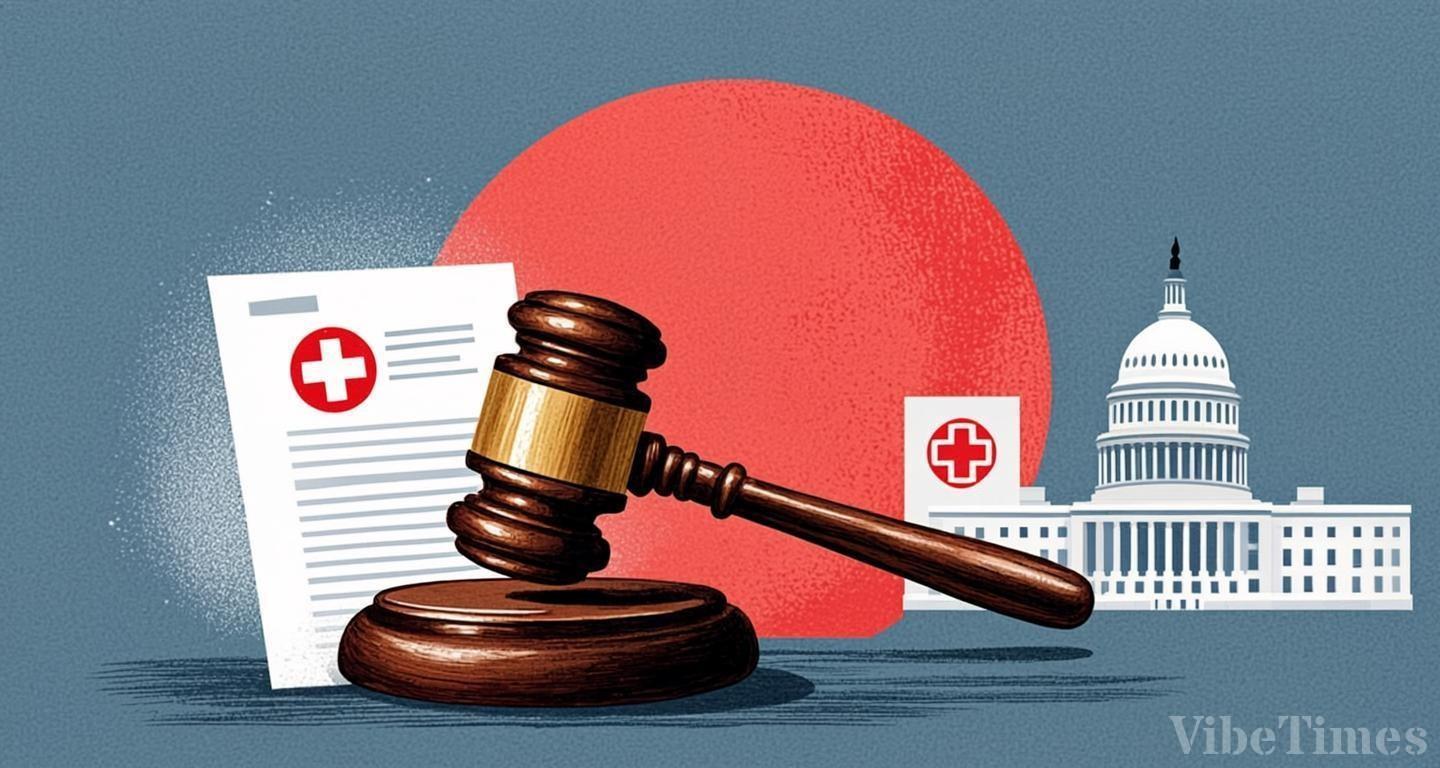
A law aimed at ending emergency room 'gurney rounds' has finally cleared the National Assembly. On the 1st, the National Assembly passed a bill overhauling the emergency medical system to address the so-called 'non-admission (gurney rounds)' phenomenon, in which critically ill patients shuttle from hospital to hospital by ambulance because they cannot find one that will take them in. At the heart of the bill is a provision establishing the legal basis for 119 ambulance crews to designate and assign in advance the hospital to which a patient will be transported.
Why It Was Needed Now
Emergency room gurney rounds have long been a structural problem. There was effectively no means of penalizing emergency medical institutions that refused to admit patients, and paramedics — unable to check hospital conditions in real time — had to make repeated phone calls in search of a hospital with available capacity. In particular, cases of critically ill patients experiencing delays of tens of minutes in transport recurred late at night, on weekends, and in rural areas. Since transport delays directly affect survival rates, calls for social improvement have been consistently raised. As the collapse of essential medical services combined with emergency room closures in vulnerable specialties such as pediatrics and trauma surgery, the number of non-admission cases has trended upward in recent years, building a cross-party consensus on the need for a legislative response.
Key Provisions of the Bill
The gist of the amendment is to strengthen the authority of the 119 Emergency Situation Center. Going forward, under certain conditions — such as in areas with vulnerable emergency medical services or late at night — the Emergency Situation Center will be able to directly designate a patient's receiving hospital, or assign an admitting institution based on real-time bed availability information from emergency medical facilities nationwide. Medical institutions designated under this system will find it difficult to refuse patient admission without a legitimate reason. This marks a shift from the previous approach, in which patients, their families, or paramedics had to contact hospitals one by one while going around in circles, to a system in which the state takes responsibility for the transport process. The law will focus primarily on critically ill emergency patients, but is designed to manage non-admissions broadly in situations where emergency medical services are vulnerable.
Expected Benefits and Remaining Challenges
Once implemented, the most significant effect is expected to be shorter transport times. With paramedics receiving real-time bed information and transporting patients directly, waiting outside emergency rooms and unnecessary trips are expected to decline. However, the burden on hospitals may also increase. Designated medical institutions will need to secure staff and beds, and critics point out that without financial support and an expansion of the medical workforce, the law could lose its effectiveness. Key practical issues in the enforcement decree and rules are expected to include which medical institutions will be covered by the designation system and to what extent grounds for refusal will be recognized.
Next Steps and Outlook
After passing the plenary session, the bill will be transferred to the government and, upon promulgation, work will begin on the subordinate legislation needed before implementation. The National Assembly's Health and Welfare Committee and the government must flesh out details during the drafting of the enforcement decree, including criteria for designating receiving hospitals, the definition of areas with vulnerable emergency medical services, and penalties for refusing admission. Along with the overhaul of the emergency medical system and the Occupational Safety and Health Act amendment passed the same day, this legislation is seen as signaling the state's intention to intervene in areas of public safety that had been left to the market. Whether the number of non-admissions and transport delays actually falls after the law takes effect will determine its success, and smooth coordination with the medical community will be essential to ensuring the reform's effectiveness.
