Ruling and Opposition Parties Clash Over Chief Justice Cho Hee-de's Refusal to Appear at National Assembly Audit

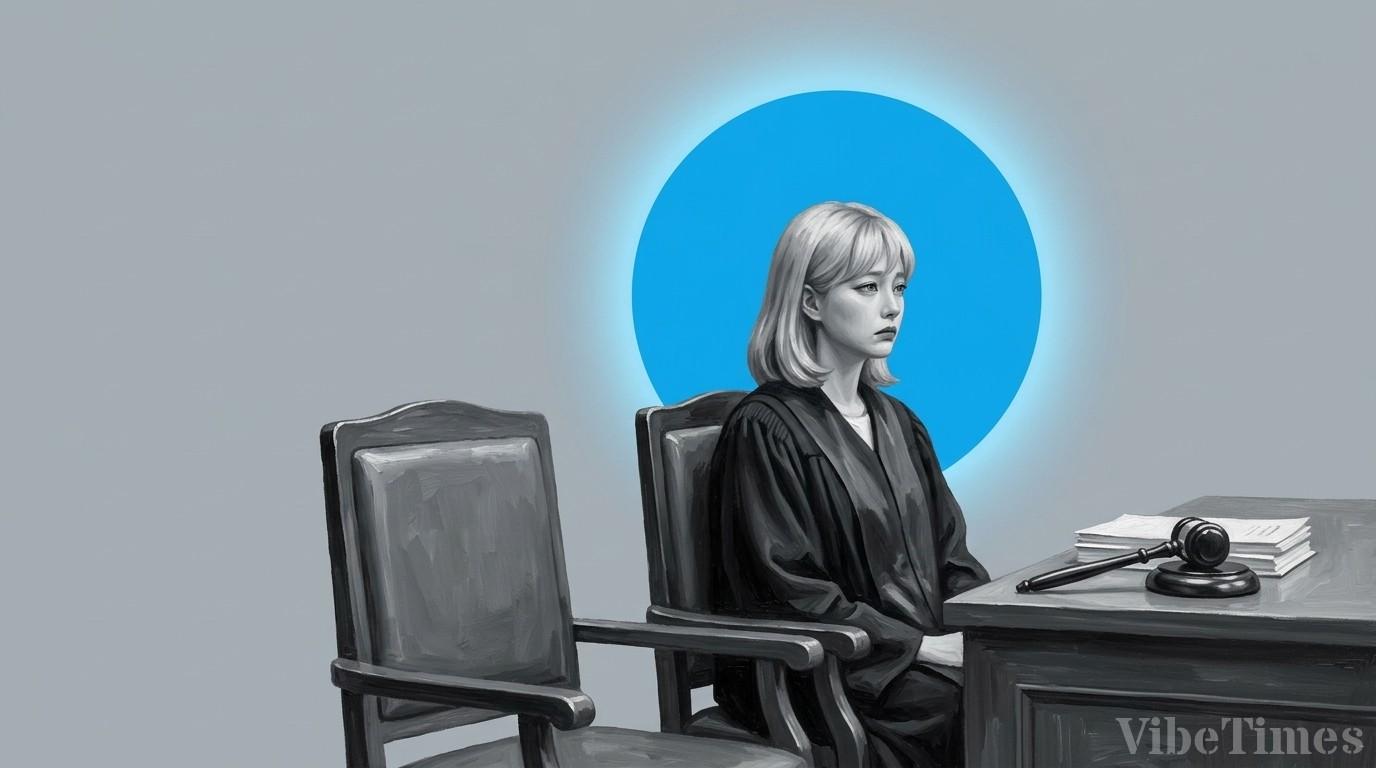
With the Chief Justice of the Supreme Court effectively refusing a summons to appear at the National Assembly's parliamentary audit, the ruling and opposition parties have entered a period of conflict between constitutional institutions.
The Democratic Party of Korea pointed out that Chief Justice Jo Eon-ae should appear at the National Assembly Legislation and Judiciary Committee's audit as a Supreme Court official, not as a representative of the National Court Administration, yet she has indicated she will not comply. The ruling party has deemed this a violation of the National Assembly Act and is weighing a hard-line response. The People Power Party, on the other hand, counters that the ruling party's continued pressure on the Chief Justice itself constitutes an infringement on judicial independence. As such, the matter is escalating beyond a simple question of attendance into a power struggle between the legislative and judicial branches.
Legal Battle Over Skipping the Audit
At the heart of the dispute is the scope of the Chief Justice's obligation to appear at the parliamentary audit. The National Assembly Act stipulates attendance and testimony requirements for public officials affiliated with audit-targeted institutions, and the ruling party maintains that the Chief Justice is subject to these provisions. The judiciary, however, is reportedly taking the position that the appearance of the head of the judicial branch requires careful interpretation in light of judicial independence and the balance of powers.
The Democratic Party argues that Chief Justice Cho's refusal constitutes a violation of the National Assembly Act and is preparing a response at the Legislation and Judiciary Committee level. The opposition People Power Party went so far as to issue a critical statement—"The ruling party moves to humiliate Cho Hee-de... The end point of this obsession is erasing President Lee's crimes"—framing the ruling party's pressure on the judiciary as a political offensive. Meanwhile, with Supreme Court justice seats left vacant for 215 days and controversy over the rejection of Chief Justice Cho's re-nomination also in play, the standoff over judicial appointments is becoming entangled with the audit non-attendance issue, complicating matters further. The ruling party has previously called the rejection of the re-nomination an unconstitutional dereliction of duty.
Entangled with Confirmation of Serious Crime Investigation Chief Kim Ji-yong
This conflict is also linked to follow-up appointments in the prosecution reform process. Since the Lee Jae-myung government took office, the Prosecutors' Office has been abolished and separated bodies created—the Public Prosecution Office and the Office of Investigation of Serious Crimes. President Lee Jae-myung has approved the motion to refer Kim Ji-yong, nominee for head of the Office of Investigation of Serious Crimes, to confirmation hearings, and stated he will decide on the appointment after the hearings.
However, disagreements over the appointment are also running deep. When Rep. Kim Yong-min held press conferences opposing Kim Ji-yong's nomination, Rep. Song Young-gil of the same party pushed back, asking, "Are you trying to strip the president of his appointment powers?"—laying bare rifts even within the broader ruling bloc. With the Chief Justice's audit no-show, the delay in appointing Supreme Court justices, and the stalled confirmation of the serious crime investigation chief all unfolding simultaneously, the entire judicial and investigative system now sits at a political impasse.
Outlook and Political Fallout
In the short term, the audit schedule is expected to determine the balance of power. As the ruling party plans to repeat its attendance demands and consider measures in case of refusal, if Chief Justice Cho does not appear, the legal dispute between the National Assembly and the Supreme Court could extend all the way to the Constitutional Court. Conversely, if the judiciary offers alternative channels of communication, such as the National Court Administration, substantive answers could still be obtained, potentially leaving only a symbolic dispute behind.
In the longer term, the outcome of Kim Ji-yong's confirmation hearing will be a key variable. Depending on whether the hearing report is adopted, the path will split between pushing forward with the appointment or revisiting the nomination—and resistance from the opposition is expected to be fierce either way. In a political landscape heading into next year's general elections, battles over judicial appointments and investigative leadership positions tend to become wars of attrition for both parties. Observers note that both sides must factor in that, with trust between the branches of power already worn thin, there will be no winner. The longer the war of attrition drags on, the more accountability in governance that meets the public's expectations will be pushed to the back burner.