Trump Imposes Retaliatory Sanctions on the ICC

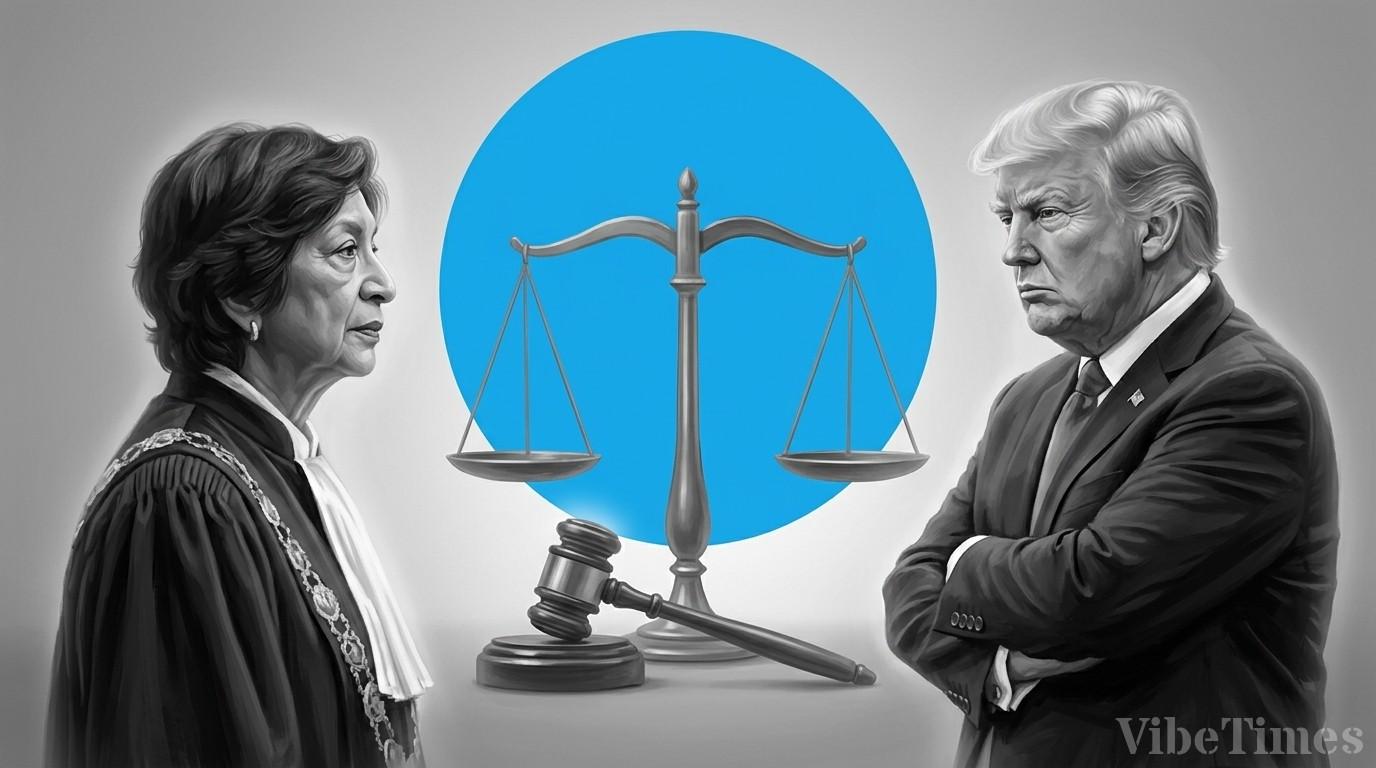
The Trump administration announced sweeping sanctions against the International Criminal Court (ICC) immediately after the court produced a Nobel Peace Prize laureate. The winner was Navi Pillay, a South African former ICC judge who has been regarded as standing at the opposite pole from U.S. President Donald Trump.
U.S. Secretary of State Marco Rubio said in a video message that the United States would freeze all ICC assets within U.S. jurisdiction and that American individuals and businesses must sever all dealings with the court. "The ICC wants more power and seeks it at the expense of national sovereignty," Rubio said, adding that "President Trump will never stand by while the ICC prosecutes Americans." He also emphasized that he expects allied members of the ICC, who rely on the U.S. for their defense, to step in and rein in the court.
The ICC is a permanent international tribunal established in 2002 under the Rome Statute to prosecute individuals responsible for war crimes, mass atrocities, and other crimes against humanity. The United States has never joined, arguing that the ICC seeks to punish U.S. troops for war crimes.
Immediately after receiving the prize, Pillay sharply criticized the Trump administration, which has called for dismantling the ICC. "We are living in an era of grave political attacks on international law and human rights," she said, noting that "this deteriorating reality is especially evident in the assaults on the ICC."
President Trump, who has repeatedly voiced hopes of winning the Nobel Peace Prize himself, also shared a post on his social media denouncing Pillay and the Nobel Committee.
With the new sanctions, the ICC now faces asset freezes and transaction bans within U.S. jurisdiction. The measures are expected to have a tangible impact on the court's operations and on cooperation from its member states, and conflict between the United States and the ICC is likely to intensify further.