If Chief Justice Cho Hee-de Is Impeached, the Ruling in Yoon Suk-yeol's Trial Could Also BeThrown into Limbo

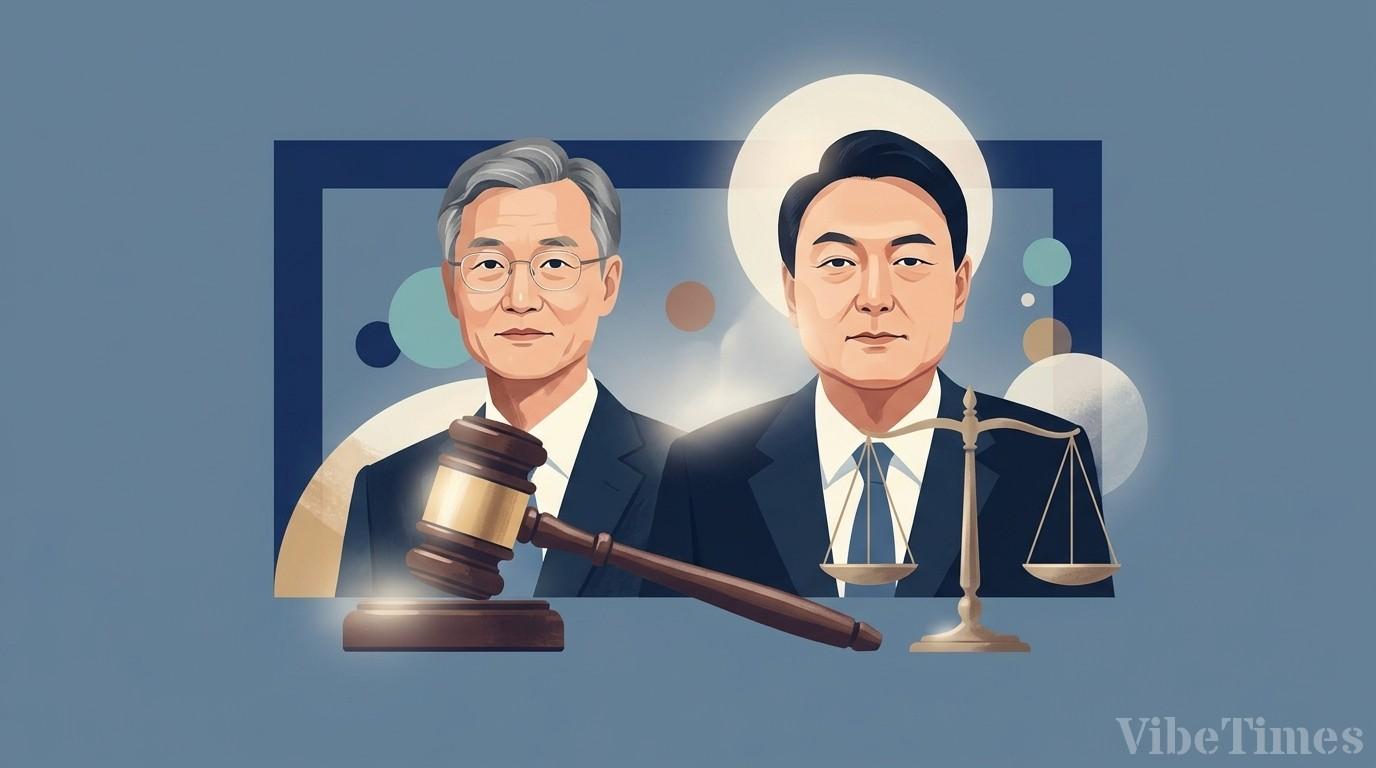
If even just two justices are removed from the panel, the quorum for the full bench hearing former President Yoon Suk-yeol's trial collapses.
As the Democratic Party of Korea adopted the impeachment of Chief Justice Cho Hee-de as a party position and laid out a timeline targeting passage within the regular National Assembly session on December 9, analyses of the impeachment's judicial ripple effects have followed one after another. The moment the impeachment motion passes in the National Assembly, the Chief Justice's duties are suspended, and the situation persists until the Constitutional Court issues its final decision. The problem is the trial schedule that must proceed during this vacuum.
Why the Full Bench Quorum Would Collapse
The Supreme Court's en banc panel is, in principle, composed of all 12 justices, and the case of former President Yoon Suk-yeol is also subject to en banc review. If Chief Justice Cho is suspended from his duties, the Chief Justice's seat becomes vacant, and if two additional judges recuse themselves from a particular case, the number of justices available to participate could fall short of the quorum. In that case, the trial itself cannot be held, effectively leaving the timing of the ruling adrift. The trial of former President Yoon, for which an appellate ruling as early as January of next year had been discussed, is a prime example of what falls within this blast radius. Critics point out that a delayed ruling directly undermines the predictability of judicial proceedings.
Internal Judicial Backlash and the Ruling Party's Logic
Resistance within the judiciary is also strong. The chair of the Judges Conference hinted at the possibility of collective action by judges if the impeachment of Chief Justice Cho is voted through, and a mood that "we must speak out" is spreading at the level of the Council of Judges' Representatives. In response, the Democratic Party maintains that exercising the National Assembly's power of impeachment is a right granted by the Constitution. The ruling party has even put forward a concrete schedule, planning to finalize the impeachment motion this week and pass it within the regular National Assembly session on December 9.
Criticism from the opposition is a direct hit. Rep. Lee Jun-seok of the Reform Party criticized on Facebook, "The very idea of turning a day when constitutional order was threatened by martial law into a day of political pressure on the judiciary is deeply disheartening." Former lawmaker Park Won-seok diagnosed in a radio interview, "With the Democratic Party's seat count, passage through the National Assembly is 100 percent possible, but the likelihood that the Constitutional Court finds a serious violation of the Constitution or law converges on zero." Some analysts note that the very gap between the likelihood of passage in the Assembly and the likelihood of upholding by the Court is a defining feature of this impeachment.
Easy to Pass in the Assembly, but the Court Is Another Matter
Given the current seat structure of the National Assembly, if the Democratic Party formally introduces the impeachment motion as a party position, passage in the plenary session appears all but assured. The requirements for passing an impeachment motion—a majority of the full membership and two-thirds approval in favor—also have a high chance of being met given the governing-opposition dynamics. However, upholding by the Constitutional Court is a separate hurdle. The Court has in the past dismissed impeachment motions judged to be politically motivated, and substantive review of the case is expected to be the key variable.
Upcoming Schedule and Implications
In procedural terms, the process will likely proceed with drafting the motion this week, review by the National Assembly's Legislation and Judiciary Committee, and then a plenary vote. To meet the ruling party's December 9 deadline, the motion must clear committee by early December at the latest. However, some observers note that if the People Power Party engages in procedural obstruction, the schedule itself could be delayed. Even though the Act on the Organization of Courts provides for an acting system when the Chief Justice's post is vacant, concerns remain that prolonged absence of the head of the judiciary increases uncertainty across the judicial branch as a whole. The key question going forward is whether the clash between the judiciary and the legislature that triggered the impeachment will translate into the tangible cost of delayed trial proceedings.