Rights Commission Urges Abolition of Death Penalty… 30 Years Since Last Execution Next Year

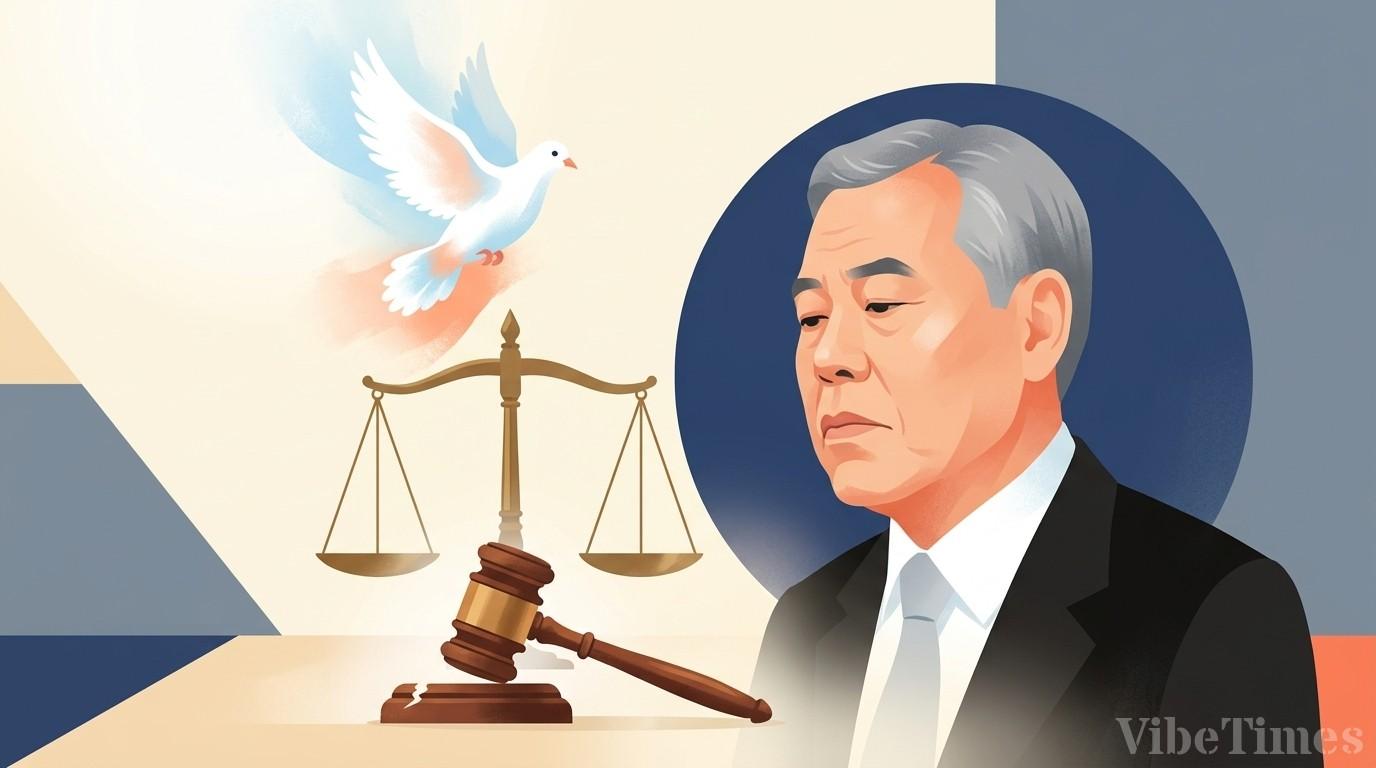
It will be 30 years next year since South Korea last carried out an execution, yet the death penalty remains on the statute books. The country has not executed anyone since December 30, 1997, meaning it will mark 30 years without executions next year. Because capital punishment is still legally maintained, South Korea is classified by the international community as 'abolitionist in practice.'
The National Human Rights Commission on Wednesday marked World Day Against the Death Penalty by urging swift legislative and institutional discussion on abolishing capital punishment. Commission Chairperson Ahn Chang-ho issued a statement for the 24th World Day Against the Death Penalty. "South Korea has operated its criminal justice system without executions for nearly a generation," Ahn said, adding that "it is time to launch serious debate on whether to maintain the status quo or move toward changes in law and institutions."
According to Amnesty International data cited by the Commission, 145 countries had abolished the death penalty in law or in practice as of the end of last year, of which 113 have abolished it for all crimes. The Commission called for the abolition of the death penalty in 2005 and recommended in 2018 that the government accede to the protocol on its abolition. It also noted that the government has voted in favor of United Nations General Assembly resolutions calling for a moratorium on executions since 2020.
Ahn pointed out that once carried out, an execution cannot be reversed by any post-hoc or judicial procedure, framing the issue as one about the legitimate limits of the state's power to punish. He described the People's Revolutionary Party reconstruction committee case—in which those executed were found innocent at retrial after their executions—as "a tragic case confirmed to have been a judicial error," stressing that the risk of wrongful conviction can never be treated as a secondary concern.
"In any debate on the death penalty, the suffering of victims of violent crime and their families, as well as the public's demand to live in a society safe from crime, must also be given serious consideration," Ahn emphasized. "Discussion of abolishing the death penalty must proceed without neglecting the tasks of protecting victims and ensuring public safety."