125,000㎥ of Contaminated Soil From Seokpo Smelter Left Untouched for a Decade

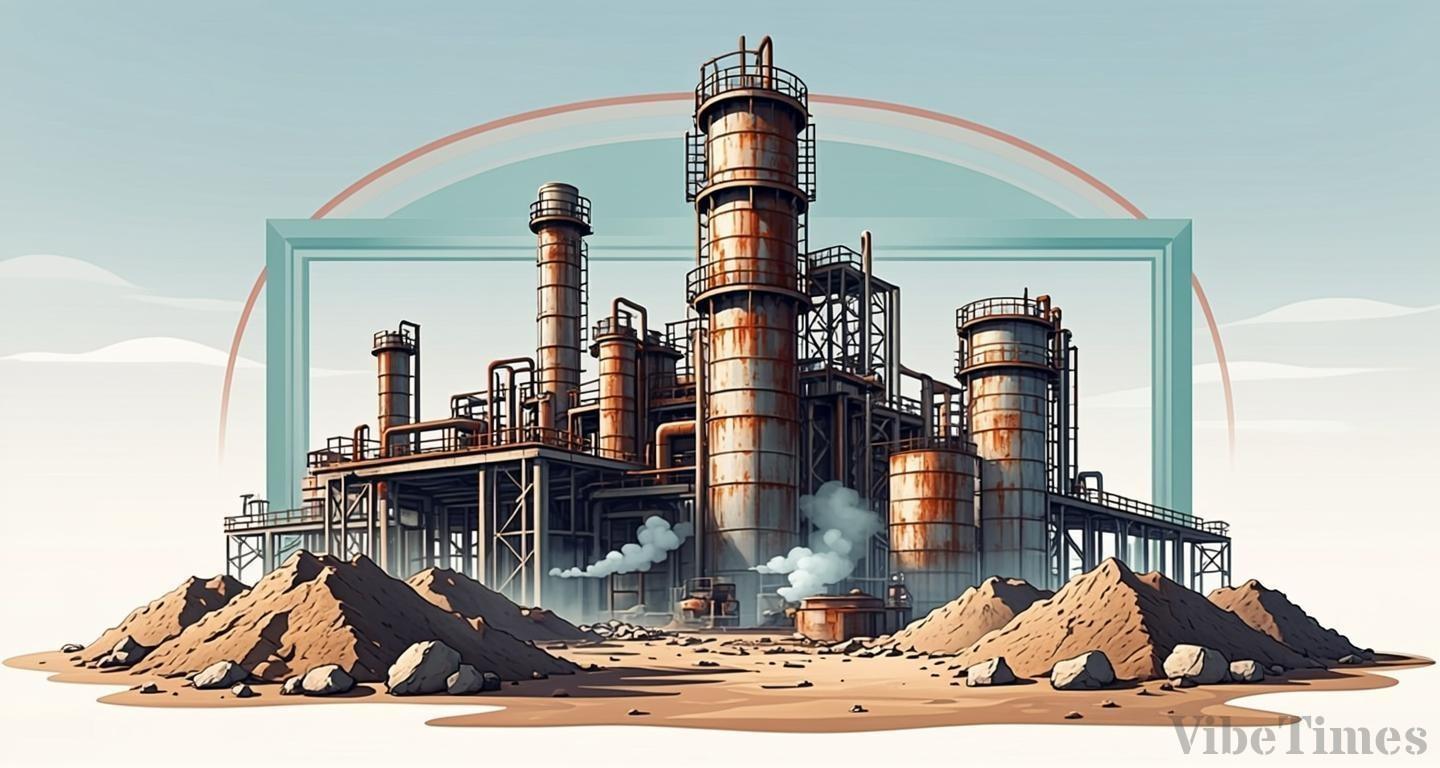
Some 125,000㎥ of contaminated soil from the Seokpo smelter in Bonghwa has been left sitting in place for more than a decade. Although the soil remediation project began long ago, it has ground to a halt without reaching completion. According to data recently presented by lawmaker Lee Heon-seung, cleanup of the site remains unfinished to this day.
The Weight of a Decade-Old Pile of Contaminated Soil
The Seokpo smelter is known to be an area where heavy metals and other hazardous substances accumulated in the soil over years of smelting operations. A volume of 125,000㎥ could cover dozens of small apartment buildings. The fact that contaminated soil of this scale remains piled up without being moved means that every rainfall risks carrying hazardous substances into surrounding areas. Remediation projects typically proceed through a sequence of contamination surveys, remediation planning, soil washing or stabilization treatment, and follow-up management. The problem is that this process has remained incomplete for ten years.
The prolonged timeline appears to be entangled with issues of cost and liability. Excavating and treating contaminated soil costs several hundred thousand won per cubic meter, meaning remediating the entire 125,000㎥ would require funding in the hundreds of billions of won. Even if the former operator took on remediation responsibility, the project is bound to stall once funding runs dry. In the end, the gap is filled by residents' anxiety.
A Shadow Over Residents' Health and the Local Economy
Bonghwa is a typical farming region facing population decline and the threat of regional extinction. As long as the contamination controversy persists, consumer trust in local agricultural and livestock products will be hard to restore—another factor suffocating the local economy. For residents, the removal of the contaminated soil and completion of remediation is itself the top-priority survival issue.
The fact that lawmaker Lee Heon-seung released the data during the National Assembly audit season is also significant. Once the neglect of the contaminated soil is raised during the audit, the Ministry of Environment and local governments must explain the reasons for the delay and lay out a future timetable. In similar past cases, budget allocations and project momentum often picked up only after such audit findings. The key question this time will be whether the government and local authorities can present a concrete completion date and a funding plan.
Where It Meets the Government's Industrial Complex and Mine Damage Cleanup Policies
The current government has continued the trend of expanding budgets for restoring the environmental infrastructure of industrial complexes and rehabilitating areas damaged by mine runoff. This reflects a judgment that remediating soil contamination in aging industrial complexes is a precondition for attracting follow-up investment. The Seokpo smelter case could serve as a litmus test of whether this policy direction moves beyond budget allocations to actual completion on the ground.
Three things will determine what happens next. First is a stable management plan for the contaminated soil. Even before remediation is complete, barriers to prevent runoff during rain and groundwater monitoring must be reinforced immediately. Next is setting an explicit completion date. A project pursued without a target year risks producing yet another lost decade. Finally, there is the question of how the site will be used after remediation. Plans for industrial, tourism, or other uses should be designed in advance so that the cleaned land becomes an asset for regional regeneration.
The soil does not lie. It simply takes a decade to hear its answer. The day the 125,000㎥ of contaminated soil is finally hauled away will mark, for the residents of Bonghwa, a day that is only just beginning.