The Gateway to Mass-Producing Humanoid Robots Is the Actuator Supply Chain

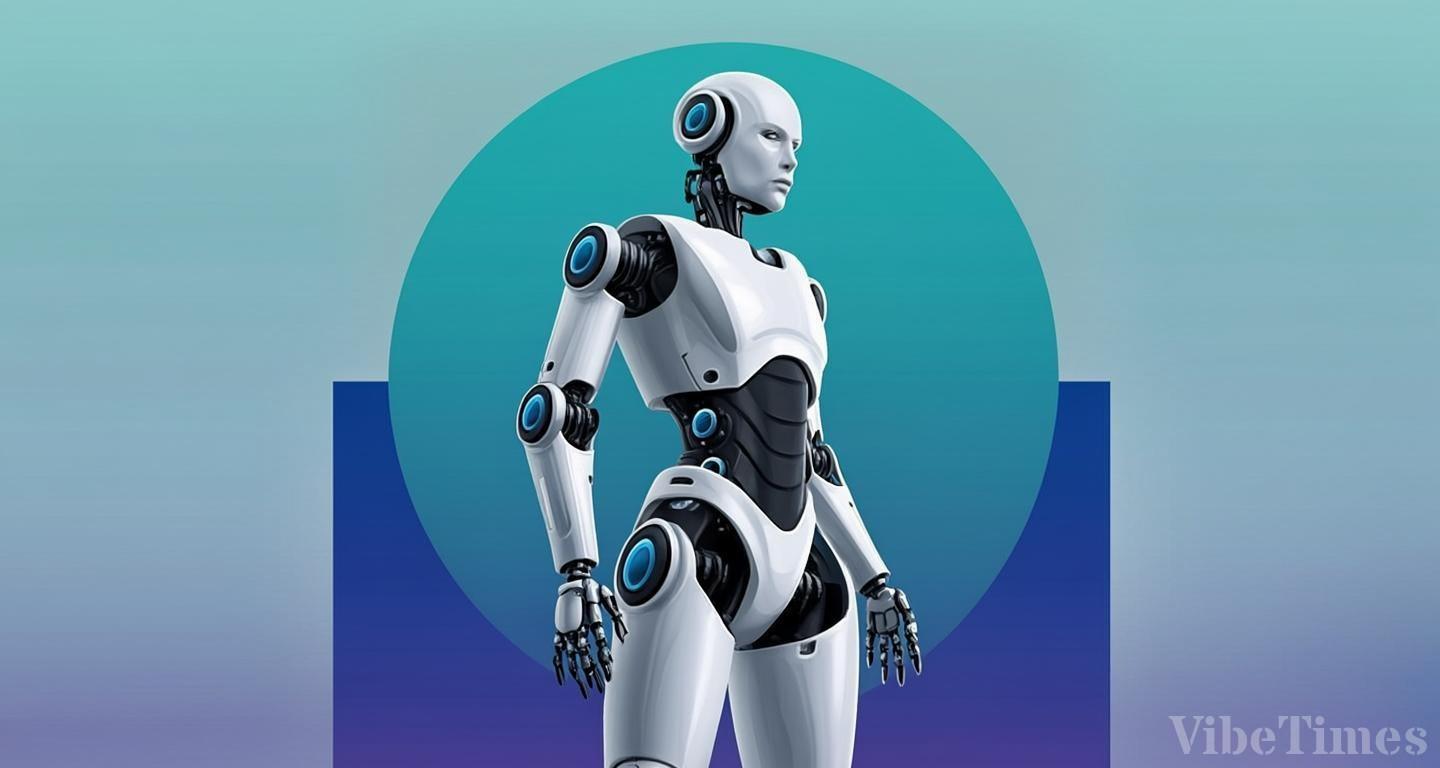
The first gateway to mass-producing humanoid robots is the actuator supply chain. Steve Ricketts, Vice President of Business Development at Fictiv, a digital manufacturing and supply chain company, pointed out that the biggest bottleneck robot companies face at the transition from prototype to mass production lies in actuators—motion components that serve as the robot's muscles. UK robotics industry outlet Robotics and Automation News reported the interview on October 10 (local time).
There is also the observation that the barrier to scaling up is not design maturity. Ricketts emphasized that prototypes prove a concept works, while mass production proves it can be repeated. At low volumes, engineers can fine-tune tolerances by hand, but as scale grows, these improvised fixes become sources of variability, cost, and delays. Because humanoid robots constantly revise their hardware based on real-world deployment experience, the traditional development sequence does not hold.
In the ever-changing environment of robot development, flexible manufacturing processes were proposed as an alternative. Ricketts suggested using flexible processes such as CNC machining, 3D printing, and soft tooling while the design is still evolving, and applying hard tooling only to subassemblies whose designs have stabilized. With a modular architecture, only the arm or hand can be updated without redesigning the entire robot.
A path to cost reduction was also presented. Reducing part counts, cutting down on specialized fasteners, and relaxing unnecessary precision tolerances are the starting points, and reusing the same actuator design across multiple joints concentrates production volume, lowering unit costs. Ricketts stressed that this standardization strategy will be the key to bringing humanoid robot prices down to the tens of thousands of dollars.
Companies such as Boston Dynamics, Figure, and Agility Robotics, along with several major automakers, are preparing for large-scale deployment of humanoid robots. The analysis is that large companies lead in supply chain leverage and experience running quality systems, while startups compete with greater speed and design experimentation.
