Despite Political Warfare, National Assembly Passes 714 Bills

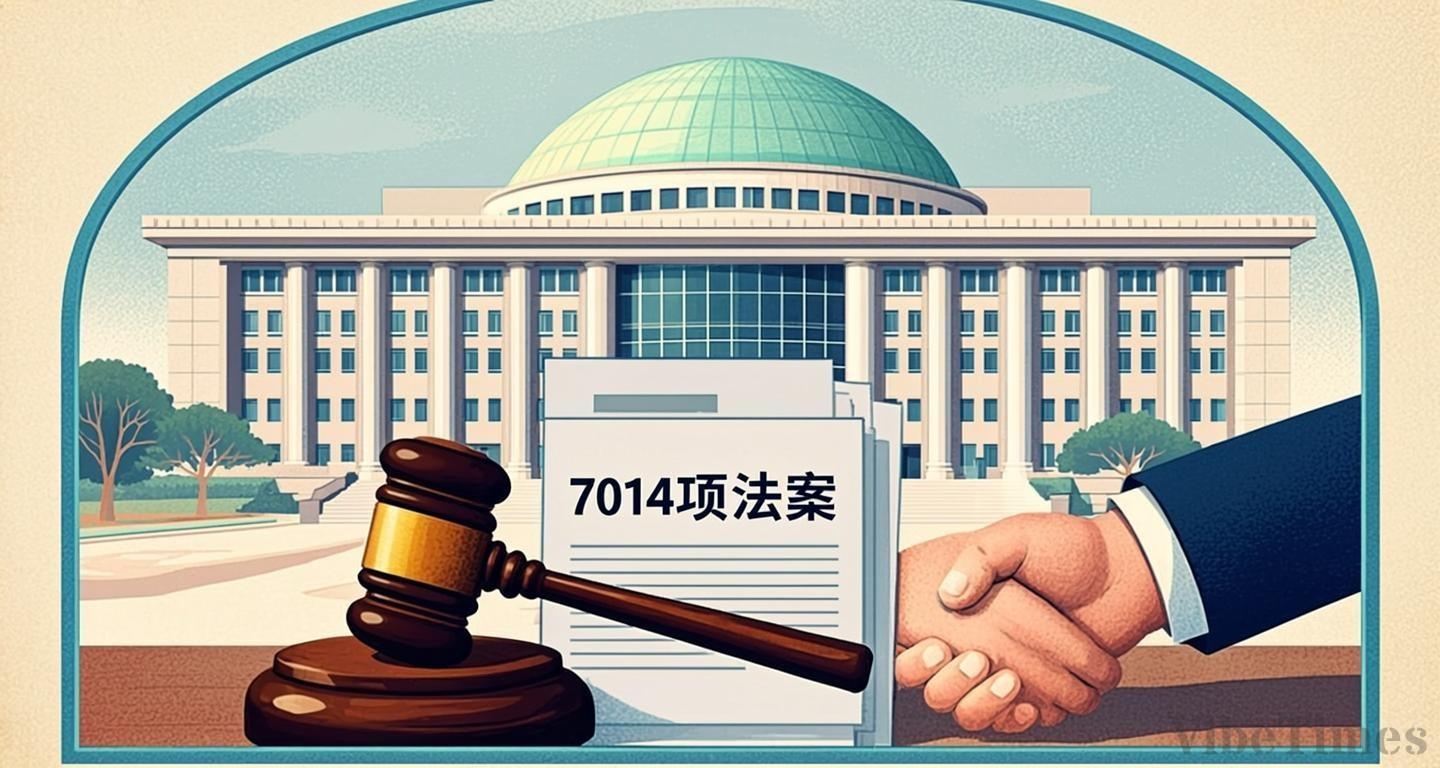
Amid fierce fighting between the ruling and opposition parties, the National Assembly quietly passed 714 bills.
A comprehensive analysis by Kukminews of all 19,730 lawmaker-sponsored bills from the opening of the 22nd National Assembly on May 30, 2024, through September 30, 2026, found that while the political establishment clashed over special prosecutors and contentious issues, a significant number of bills were handled through bipartisan cooperation. In other words, while headline-grabbing controversial bills dominated the news, substantive legislative achievements were quietly accumulating behind the scenes.
19,730 Bills Introduced, 714 Passed: What It Means
Of the bills introduced, 714 crossed the threshold of the National Assembly. By simple calculation, the passage rate is just over 3.6 percent. While that figure may look low, processing such a volume through bipartisan agreement amid rapidly changing domestic and international economic and social conditions is by no means trivial. Notably, this period coincided with days of ongoing political conflict, including wrangling over the introduction of the so-called 'golf special prosecutor bill,' controversies involving independent lawmaker Han Dong-hoon, and the election commission special prosecutor.
The implications of the analysis are clear. The Assembly's legislative function has not been paralyzed; rather, contentious and non-contentious matters have moved along dual tracks. Politically explosive issues see negotiations stall, but industry and livelihood-related bills continue to reach practical agreements through maintained channels of communication.
Industry and Livelihood Bills Passed Together
A representative example is the discussion of a cap on delivery app fees. Bills to cap or reduce the commissions delivery app platforms charge to merchant establishments have followed a track in which both parties push for legislation together after the parliamentary audit. Bipartisan consensus formed because, since COVID-19, the delivery market's explosive growth has seen fee rates cited as a burden squeezing small business owners.
Bills to scale down military service exemptions and abolish the arts exemption advanced along the same lines. After the Defense and Culture, Sports and Tourism ministers announced a policy of reducing special exemptions, related bills were submitted to the Assembly, with both parties working together to overhaul an exemption system long mired in fairness disputes. Institutional reforms not tied to any single party's interests are thus picking up processing speed outside the whirlpool of political warfare.
A Dual Track of Politics and Legislation
Of course, the axis of conflict has not disappeared. People Power Party lawmaker Joo Jin-woo announced he would spearhead the 'golf special prosecutor bill' over suspicions about President Lee Jae-myung's visit to a golf course on the day of the ceiling collapse at a commercial building in Daegu, and the presidential office countered that the allegations are untrue, keeping the battle alive. The Democratic Party raised allegations of ghostwriting in the dissertation of independent lawmaker Han Dong-hoon's daughter, and Han fired back that a bill sponsored by Democratic Party leader Kim Min-seok should be subject to investigation.
That 714 bills passed despite this ongoing confrontation shows the two parties maintain a framework allowing cooperation where needed. Contentious issues go to plenary votes or political sparring, while livelihood matters are handled through working-level consultations in standing committees—the division is actually functioning.
Remaining Tasks and Outlook
The challenges are clear. The 3.6 percent passage rate remains low, and critics point out that many of the bills passed amount to little more than formal review, such as decisions to extend bills facing expiration. In labor legislation, partisan differences have not narrowed, drawing comparisons to the United States, where Big Tech has restructured through workforce reductions while domestic companies remain hamstrung by strikes and legislative uncertainty over labor.
The upcoming policy schedule will indicate whether bipartisan cooperation will continue. The election commission special prosecutor team is coordinating a public verification of ballots at Jamsil Olympic Park later this month, and special prosecutor matters are expected to keep generating political tension. Even so, legislative demand tied directly to industry and livelihoods—such as delivery app fee reform and military exemption overhauls—is expected to grow. The figure of 714 bills is evidence that the Assembly has not lost its core function amid the noise, and how stably this dual track runs going forward will determine the second half of the 22nd Assembly's legislative record.
