NVIDIA Can Build a Containerized Data Center in Just 14 Days

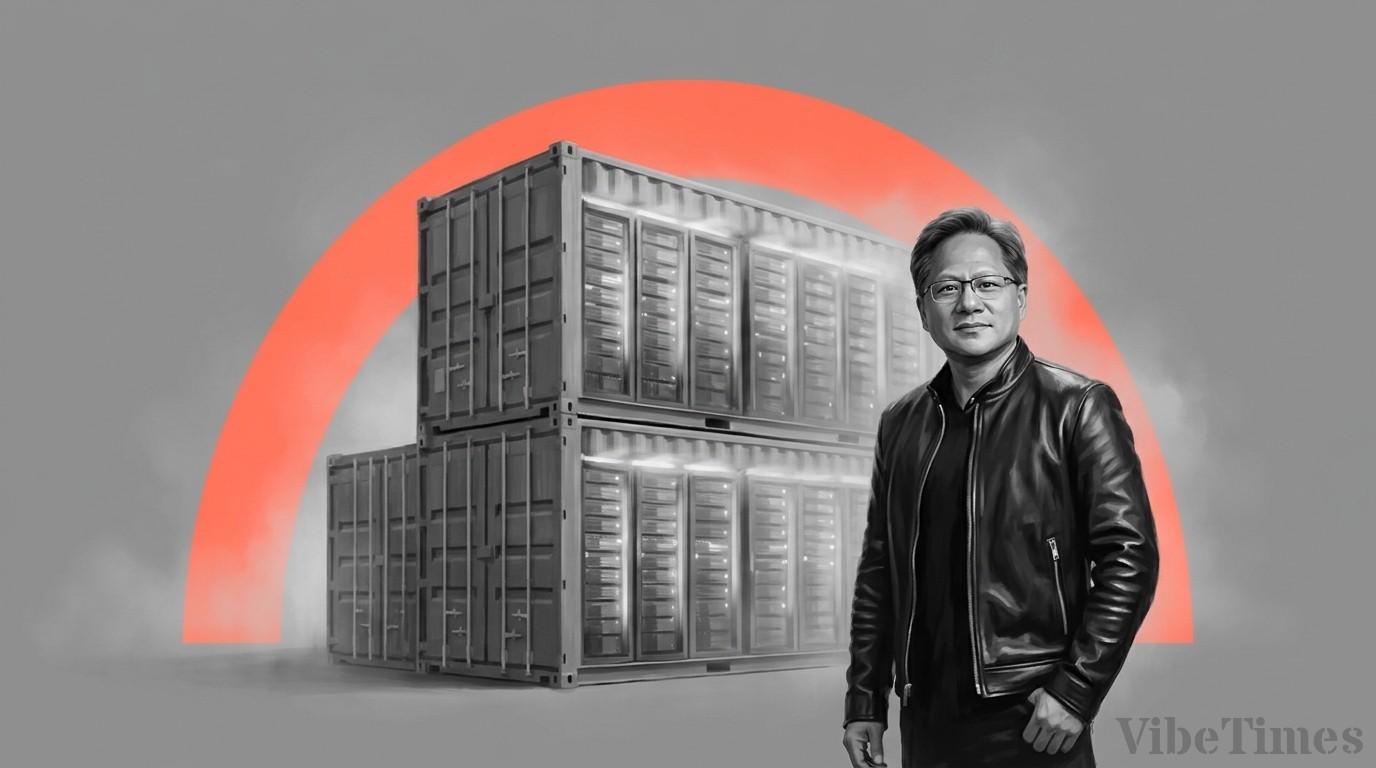
Fourteen days is all it takes to build a data center. NVIDIA has unveiled the 'DSX POD,' a containerized data center that shortens construction time from six months to as little as 14 days. It was introduced at GTC Berlin 2026 (local time, October 21). Built on the next-generation 'Vera Rubin' platform, the DSX POD bundles servers, networking, power supply, and liquid cooling into a single module. Once a site with power and cooling infrastructure is secured, the unit is shipped pre-wired, pre-plumbed, and fully tested for operation.
The motivation behind this approach lies in the funding struggles of AI infrastructure companies. With geopolitical risks and financial market volatility disrupting data center construction plans, at least 47 projects in the United States alone have been delayed or halted this year. When customers buy GPUs but the data center isn't finished, the equipment sits idle and NVIDIA's cash recovery is pushed back. NVIDIA CEO Jensen Huang said, "An AI factory produces no tokens until it's up and running."
The containerized data centers will be supplied starting early next year (2027) through partnerships with Dell Technologies, HPE, Lenovo, and others. Financial support will come alongside. NVIDIA is reportedly considering a further investment of hundreds of millions of dollars in Ferrous, an Australian data center company whose IPO recently fell through (per The Information). The amount funneled into AI customers such as NeoCloud providers has surpassed $171.5 billion.
Yet critics point to a 'circular financing' problem, as the GPU seller helps fund buyers through investments, commitments, and guarantees. Concerns about the AI circular structure grew as CoreWeave's stock plunged amid bond issues. NVIDIA CEO Jensen Huang assessed that "looking at NeoCloud's fundamentals, demand is explosive and their capabilities are impressive," while noting that a shortage of capital is slowing the pace of market expansion.
On fears of a memory supply glut in 2029, Huang called the possibility "low," predicting that demand for memory including HBM and LPDDR will continue to grow.
