Physical AI Sweeps Into Construction Sites

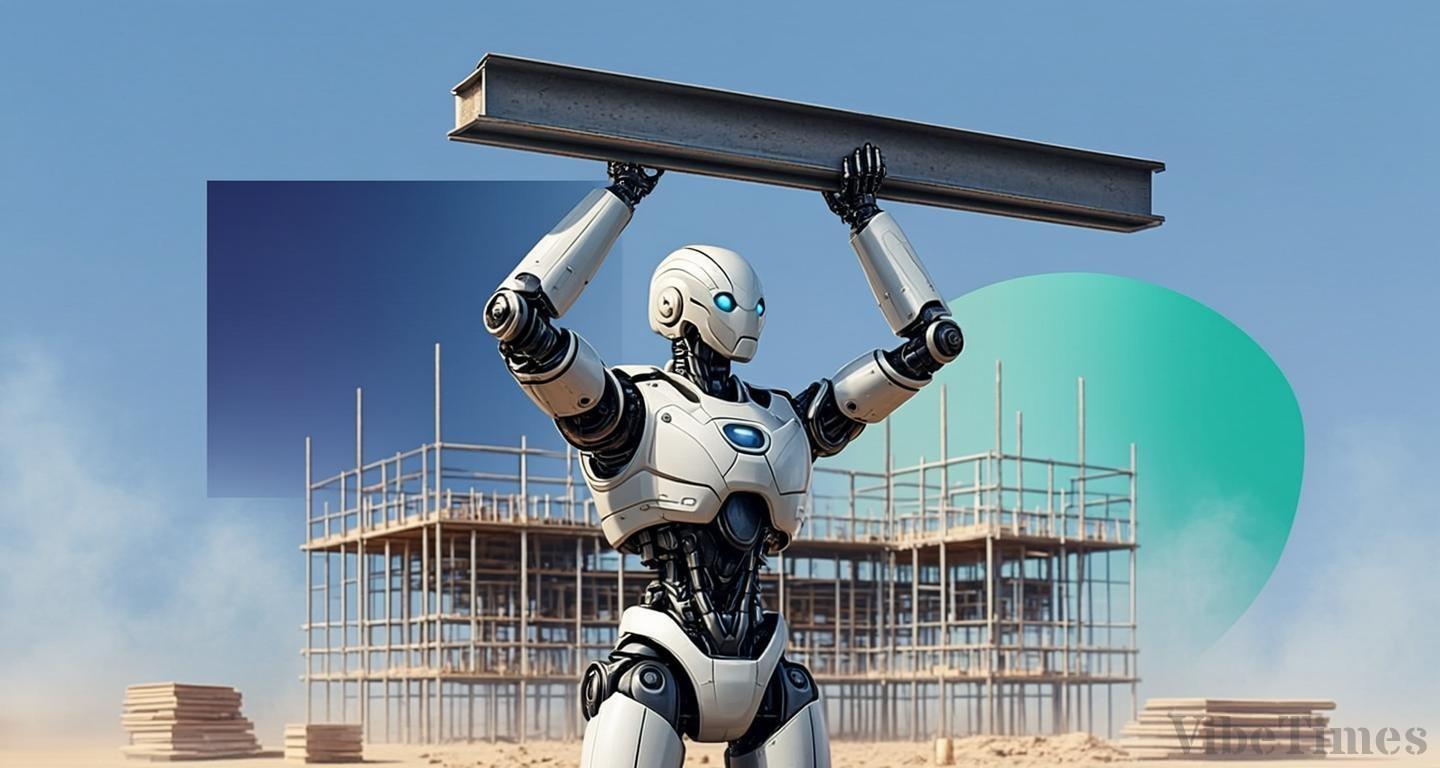
Moves to deploy AI robots that move like humans — so-called physical AI — are continuing in the construction industry. The Ministry of Land, Infrastructure and Transport and the Korea Construction Equipment Safety Institute held the 'Construction Robotics Innovation Forum' at Ferrum Tower in Suha-dong, Seoul, on the 20th. The forum was launched to build a cooperation framework among the public sector, private sector, industry, academia, and research institutes so that construction robot technology can translate into on-site use.
At the launch ceremony, Kim Il-tak, First Vice Minister of Land, Infrastructure and Transport, emphasized, "Physical AI is opening up new possibilities for the construction industry and will transform it into a safer, more sustainable industry." He added, "The government is pushing to create an industry ecosystem — from technology development to talent cultivation, industry promotion, and overseas expansion — to accelerate the realization of physical AI in construction."
This is why the burden of serious industrial accidents is shifting to robots. At a seminar hosted by the Construction Industry Research Institute of Korea in April, it was predicted that humanoid robots being developed by Boston Dynamics and others would be deployed on construction sites within the next two to four years. Penalties for serious industrial accidents are also getting tougher. At a recent State Council meeting, an amendment to the Occupational Safety and Health Act was passed imposing fines of up to 5% of operating profit on companies with three or more fatal industrial accidents per year.
According to an analysis of business reports, semi-annual reports, and serious accident filings by corporate data research firm CEO Score, 99 construction companies reported serious industrial accidents to the Ministry of Employment and Labor over the 21 months from January of last year to September of this year. Of these, POSCO E&C and Hyundai Engineering & Construction reported six cases each, the most among all companies.
Meanwhile, robots are already being used at construction sites overseas. In July, Japan's Shimizu Corporation deployed a humanoid robot to the Tochitower construction site in Tokyo for an autonomous patrol demonstration. In June, Kajima Corporation also deployed a ceiling board installation robot, jointly developed with robotics firm Techno, at an office building construction site.
Possibilities for expansion beyond simple deployment into rental businesses are also being explored. The 'Construction RX Consortium,' formed by major Japanese construction firms to cope with an aging workforce and labor shortages, examined the potential for distributing construction robots through rental services while assessing the commercialization prospects of each company's products through technical subcommittees and other channels.
