HD Hyundai to Build Smart Shipyard in the US by 2029

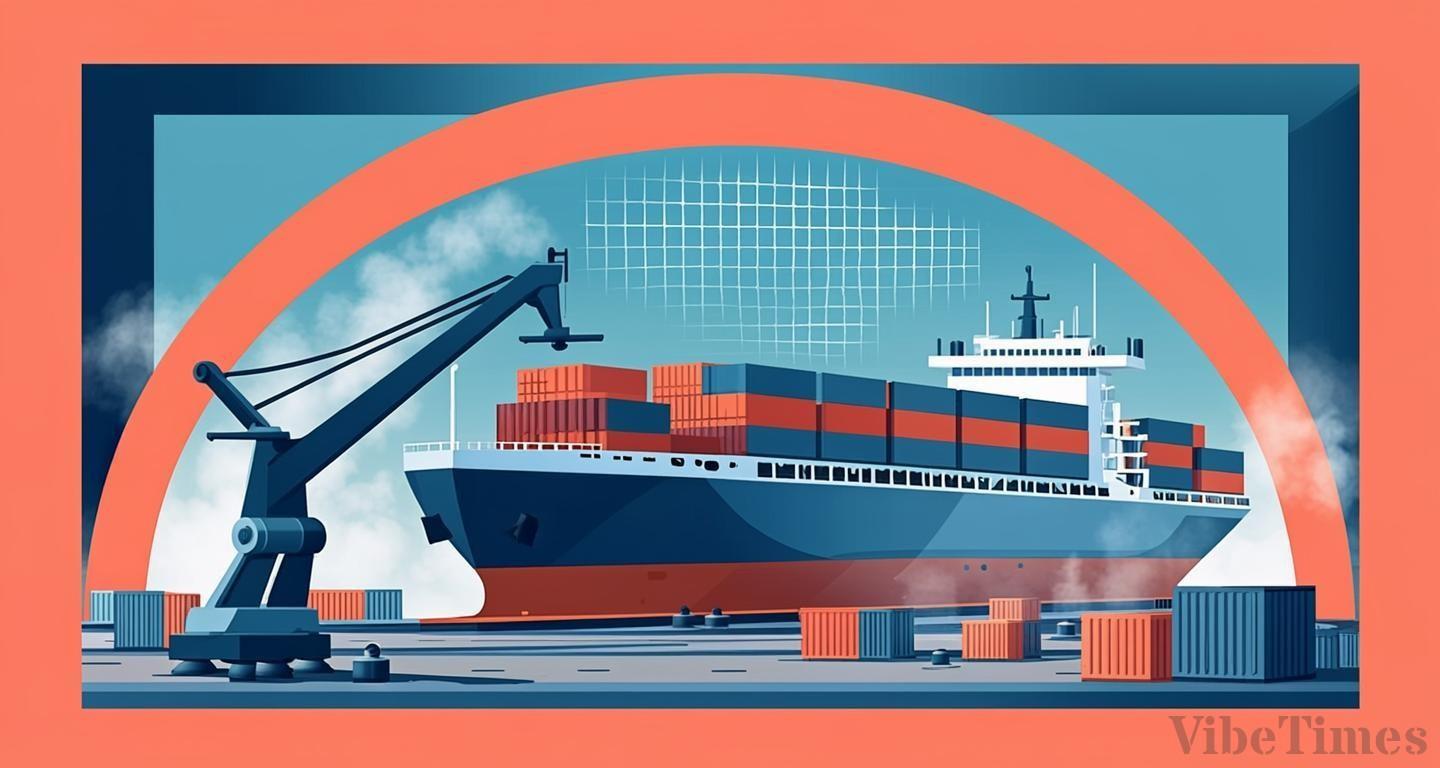
HD Hyundai's new smart shipyard in the United States is expected to create roughly 3,000 local jobs once operational. On Monday (local time), HD Hyundai signed a contract with Kiewit, the largest construction and engineering company in the US, to establish the joint venture 'HD Kiewit Shipyard.' Rather than acquiring an aging shipyard, HD Kiewit Shipyard will be built from the ground up, with construction set to begin in 2027 and operations targeted for 2029.
Digital twin technology (a 3D model that replicates an actual shipyard in a virtual space), automated production systems, robotic welding and other elements of HD Hyundai's 'Future of Shipyard (FOS)' model will be applied to a US shipyard for the first time. The joint venture will explore opportunities in US Navy auxiliary support vessels and commercial shipbuilding, while also considering manufacturing and supplying ship blocks and modules (pre-fabricated components for hull assembly) to US shipyards. Choi Han-nae, head of HD Korea Shipbuilding & Offshore's planning division, said, "We will pool our capabilities to contribute to rebuilding the American shipbuilding industry and expanding Korea-US shipbuilding cooperation, while continuously uncovering new business opportunities."
The yield on the 10-year US Treasury note plunged 19 basis points to 4.953% on Monday (local time), falling below the 5% mark for the first time in a month. The single-day drop was the largest since March 2023, or in three years and seven months. It is interpreted as the result of risk-averse sentiment, driven by a selloff in tech stocks and credit concerns over big tech companies, spurring purchases of Treasuries.
Domestic investors have also net purchased approximately $1.371 billion in US bonds so far this month through Monday, already surpassing last month's total net purchases of $1.363 billion. Custodial holdings of US bonds stood at $16.928 billion as of Tuesday, a sharp increase of 24.7% from the end of July. Seo Sang-young, an executive director at Mirae Asset Securities, said, "Given that high discount rates and financing costs have weighed on AI investment and the stock market, rate stability is a key condition for a future rebound."
Funding pressure on big tech is also behind the decline in rates. Capital expenditures of the five companies — Microsoft, Alphabet, Amazon, Meta and Oracle — are projected to reach $945.5 billion as of January next year, roughly a sixfold increase from 2023, while their free cash flow over the same period is expected to swing from a surplus of $223.1 billion to a deficit of $2.8 billion. Meta's disclosure of an $825 billion AI infrastructure investment commitment pushed its credit default swap (CDS) premium up 8.9 basis points. NVIDIA CEO Jensen Huang emphasized that the obstacle to AI investment is not a lack of demand but financing.