NIS: Kim Jong Un May Have Visited China Personally to Convey Message on North Korea-US Talks

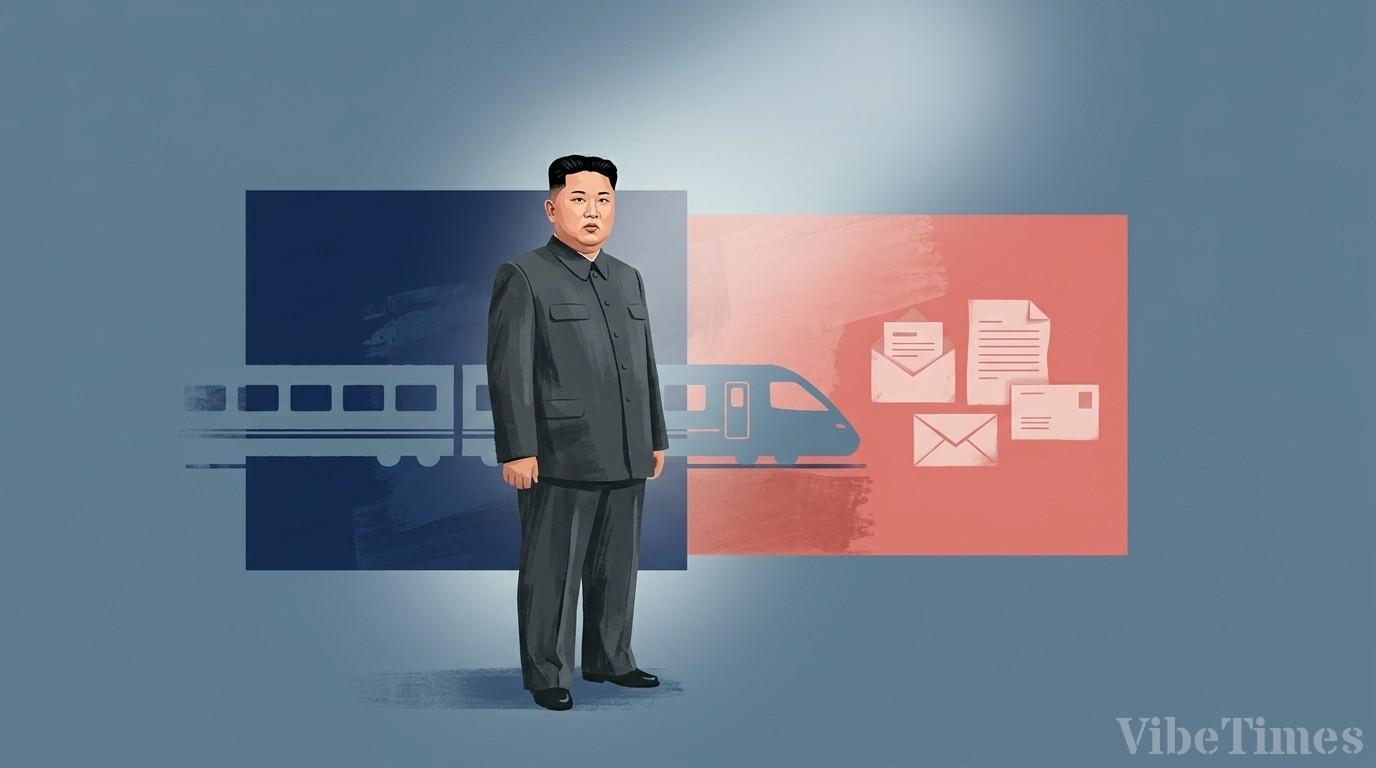
South Korea's National Intelligence Service (NIS) analyzed that North Korean State Affairs Commission Chairman Kim Jong Un may have conveyed his intentions regarding 'North Korea-US talks' to Chinese President Xi Jinping during his recent visit to China. In its report to the National Assembly's audit on the 29th, the NIS explained that while Kim likely conveyed his views during this visit after hearing about US President Donald Trump in his June summit with President Xi, it does not mean he expressed a commitment to 'definitely hold North Korea-US talks.'
The NIS cited the diplomatic-focused itinerary as evidence that the visit was related to North Korea-US talks rather than the stated purpose of commemorating the Korean War and inspecting the Sinuiju-Yalu River Bridge site. The agency noted that the composition of Kim's delegation on his October 24 visit to China was inconsistent with the stated commemorative purpose. The delegation included no major military officials and consisted mainly of diplomatic cadres such as Foreign Minister Choe Son Hui and Workers' Party International Affairs Secretary Kim Sung Nam, while the Chinese side was likewise represented primarily by diplomatic figures including Foreign Minister Wang Yi. The NIS also analyzed scenes such as Foreign Minister Choe stepping back from the lead group to talk closely with Foreign Minister Wang, and high-ranking Workers' Party Secretary Jo Yong Won giving up the seat next to Kim, interpreting these as signs that Kim is deeply deliberating over a possible North Korea-US summit.
The NIS reported that China appears capable of relaying Kim's position to the United States but shows no intention of actively mediating North Korea-US talks. The agency also assessed that North Korea has not closed the door on the possibility of dialogue. While the two sides failed to find common ground due to differences over conditions for talks, the NIS reported that North Korea appears to be keeping open and preparing for a possible shift in circumstances before or after the Asia-Pacific Economic Cooperation (APEC) summit.