The Real Battleground in the 821 Trillion Won Budget Is the 162 Trillion Won Future Fund

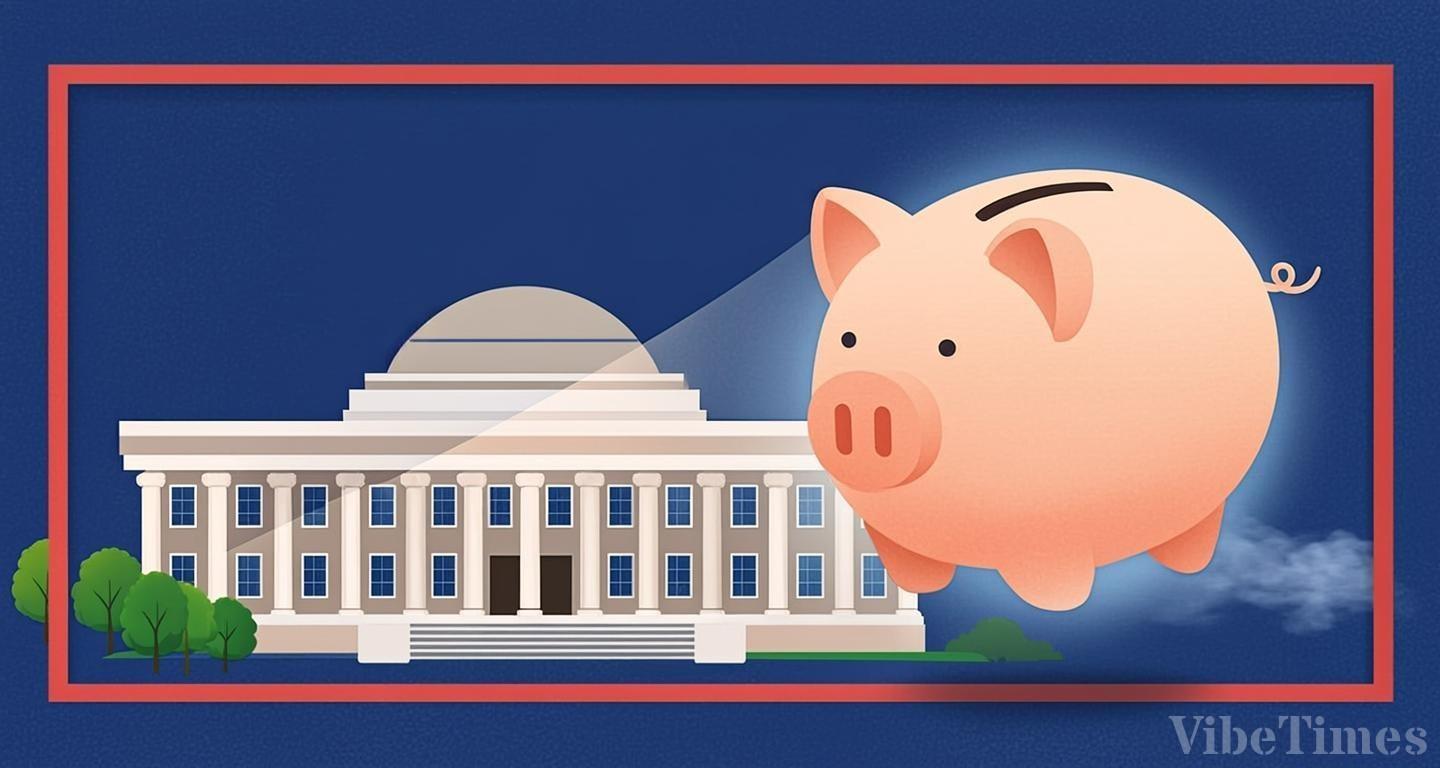
A budget totaling 821 trillion won has been submitted to the National Assembly for review.
The Lee Jae-myung government's budget for next year is 12.8 percent—or 93 trillion won—larger than this year's main budget. It is already being criticized as a super-expansionary budget with double-digit growth. Notably, the central point of political contention is narrowing not to the budget as a whole, but to the 162 trillion won Future Fund hidden within it. A standoff between the ruling and opposition parties is expected to intensify over where the massive funds will be spent and through what procedures.
Why the 162 Trillion Won Future Fund Is Controversial
The Future Fund is a long-term fund designed to secure financing in advance for investment in future industries such as semiconductors and AI. The problems are its scale and how it will be executed. At 162 trillion won, it is unusually large for a fund with a single purpose, and it remains unclear how much will be allocated to specific industries and to what degree the National Assembly will exercise oversight. The ruling party has argued the fund is essential to revive corporate investment and secure industrial competitiveness. The opposition, meanwhile, contends that with the total budget already ballooning to 821 trillion won, locking up money in the fund would reduce fiscal flexibility.
The points of contention boil down to three. First, which industries will be prioritized in allocating the fund and in what proportions. Second, how much scope the National Assembly will have to approve spending during execution. Third, how the 93 trillion won increase will be financed without tax hikes or government bond issuance. Since the financing method is opaque, disputes over the realism of revenue projections are also highly likely to erupt during the budget review process.
Budget Negotiations Intersecting with the Political Calendar
Both parties have placed the budget review at the center of the political agenda. The People Power Party has signaled an offensive to hold the government accountable for its expansionary fiscal policy, with lawmakers such as Na Kyung-won raising questions about the sustainability of fiscal management. The Democratic Party is expected to push for early approval of the fund, emphasizing that delays in future-industry investment would directly undermine national competitiveness. With the president's approval rating and governing momentum tied directly to the outcome of budget negotiations, the extent of concessions made at the bargaining table could also be read as a political message.
Time is a key variable to watch. While the budget is nominally to be passed during the regular National Assembly session, the more contentious items there are, the more likely committee-by-committee review is to drag on. If agreement on how the Future Fund will be used is delayed, the result could be a provisional budget—an outcome that would push back the very launch of fund projects. Given that semiconductor and AI investment is a race against time with rivals around the world, the economic cost of delay would be far from negligible.
Outlook and Implications
Two broad scenarios are anticipated. If the parties reach a compromise requiring mandatory reporting to the National Assembly on fund expenditures, passage by December appears feasible. If agreement proves elusive, a binary approach—stripping the fund provisions entirely and passing the rest of the budget first—could be raised. Either way, the debate over the 821 trillion won total is likely to persist throughout the session.
Faced with the challenge of balancing fiscal soundness and future investment, this budget review is set to serve as a litmus test for the direction of the Lee Jae-myung government's economic management. Whether the 162 trillion won translates into industrial investment or becomes the pretext for a political misstep will depend on the National Assembly's capacity for scrutiny.