A Month After the Raid on the Pediatric ER, Children Have Nowhere to Go

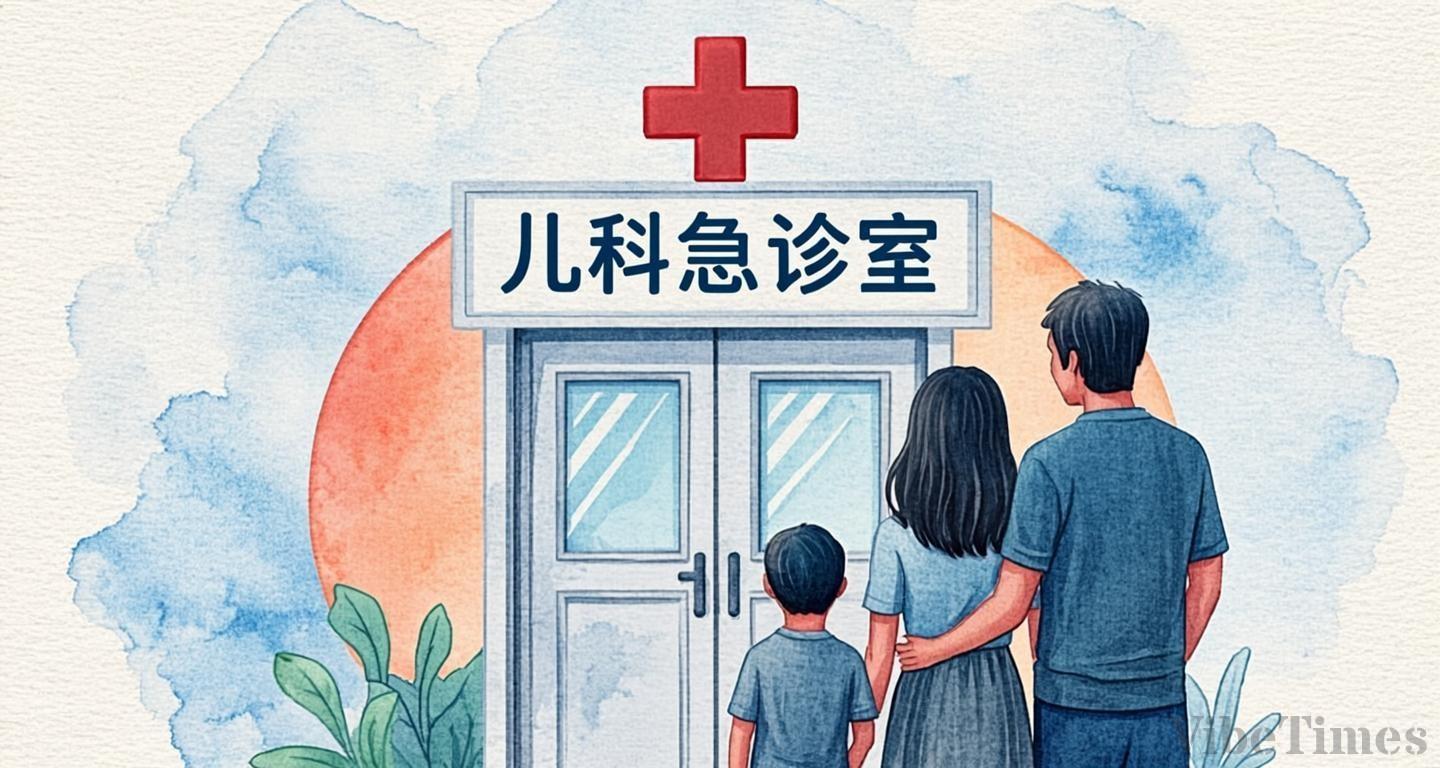
Gyeonggi Southern Provincial Police Agency raided Ajou University Hospital's pediatric emergency center on September 30 in connection with the death of a four-month-old infant receiving treatment there on July 15. A search and seizure is a procedure in which police search a hospital or home and take items to uncover evidence of a crime. At the time of the raid, medical staff were administering an IV and securing the airway of an infant who had been seizing for an hour. Police claimed the raid was carried out when no patients were being treated, but center director Lee Ji-suk countered, "There is never a time when our emergency room has no patients."
Criticism spread and specialists began leaving. The Korean Society of Pediatric Emergency Medicine issued a condemnation statement the next day. Rep. Han Ji-ah asked, "Should investigation take priority over patient safety?" Rep. Lee Ju-young urged that the necessity and justification of the raid be proven. The Gwangju Medical Association warned of a strong struggle if countermeasures were not put in place, and Park In-sook, professor emeritus and an authority on pediatric cardiology, pointed out that emergency rooms would have no choice but to close if this continued. Former judge Rep. Choi Jae-hyung noted that the courts should have checked the excessive investigation. Patient groups added their concern, saying, "No other child's life should be put at risk."
At the October 7 National Assembly audit of the Ministry of Health and Welfare, Minister Jung Eun-kyung said she would work with the National Police Agency to develop investigation guidelines. But on the 12th, when the acting police chief emphasized the legitimacy of the raid, saying electronic medical records could be forged, the society rebutted that this was deception. On the 15th, the Korean Medical Association and the pediatric emergency medicine society held a press conference at the National Assembly, saying, "We cannot protect pediatric emergency rooms while being treated like criminals," and urged an immediate police apology and the establishment of investigation protocols. At that event, center director Lee Ji-suk revealed that on the very day the infant died, three forensic investigators had entered the emergency room carrying cameras.
The exodus of medical staff has already become reality. On the 19th, one specialist at Ajou University Hospital submitted a resignation letter, and two pediatric emergency specialists at other hospitals also announced their intent to resign. On the 27th, during the comprehensive audit, Ham Young-wook, head of the Gyeonggi Southern Provincial Police Agency's metropolitan investigation unit, testified as a witness and repeatedly answered only "it is regrettable" to demands for an apology. That same day, seven of the nine specialists at Ajou University Hospital's pediatric emergency center declared their intention to resign.
On the 29th, the National Police Agency's chief of criminal affairs and the acting chief of the Gyeonggi Southern Provincial Police Agency visited the hospital and apologized, saying they "had lacked understanding of frontline emergency medical care." However, on the 30th, the pediatric emergency medicine society and the Council of Regional Pediatric Emergency Medical Centers held an emergency press conference, demanding three preventive measures, including principled restrictions on search and seizure operations at essential medical care sites. Health and Welfare Minister Jung Eun-kyung is set to meet with acting Police Chief Kim Jong-chul next week to discuss the investigation guidelines.
