Special Prosecutor Bill on Fabricated Indictments Puts Chief Justice Cho Hee-de's Vetting on the Line

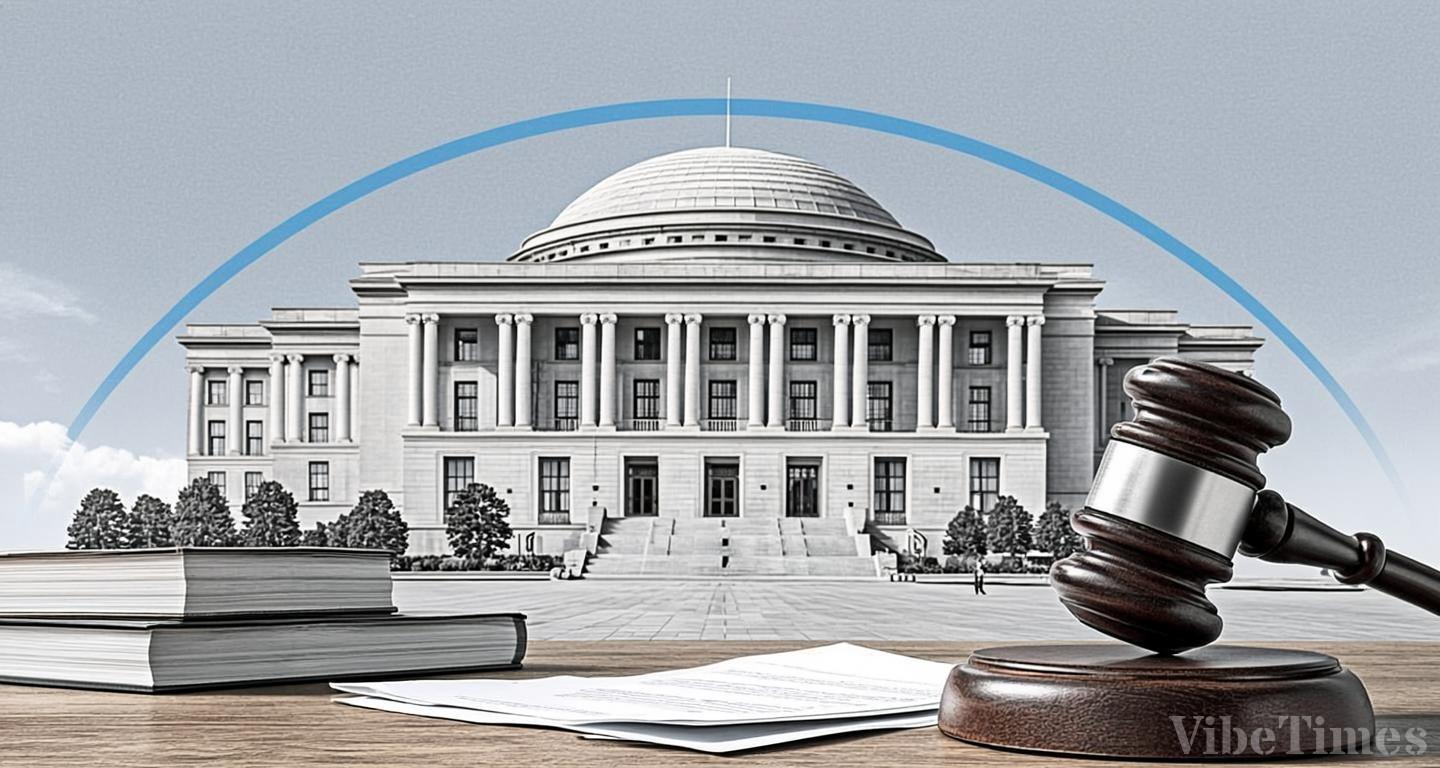
The special prosecutor bill on fabricated indictment records, which also covers the vetting of Chief Justice Cho Hee-de and the investigation into allegations of tampered prosecution files, has emerged as the National Assembly's biggest November flashpoint.
With the National Assembly audit schedule wrapping up, the battle lines between the ruling and opposition parties are rapidly shifting to legislation and budget review. Under the National Assembly Act, bills pending in the Legislation and Judiciary Committee face an automatic deadline for floor consideration in late November, and if put to a vote, the opposition could pass them unilaterally. Along with a special prosecutor bill on the shipyard candidate-national assembly nomination case, the fabricated indictment special prosecutor bill can pass with a simple majority of sitting members if no bipartisan agreement is reached, putting both the government and the Supreme Court under pressure.
Background of the Bill
The special prosecutor bill was introduced after allegations surfaced that prosecutors had arbitrarily fabricated or deleted evidence records needed for trials. Indictment records are crucial materials for determining guilt or innocence, and during the parliamentary audit it became controversial that there were signs these records had been internally altered by the prosecution. The opposition argued that existing investigative bodies could hardly expose the prosecution's own wrongdoing, making an independent special prosecutor necessary.
An even bigger fuse is the vetting of Chief Justice Cho Hee-de. With the consent motion for the Chief Justice nomination pending in the National Assembly, a rift has opened between the ruling and opposition parties over whether to link the vetting process to the special prosecutor bill. The ruling camp demanded that the vetting be expedited and handled separately from the bill, while the opposition maintains that confirming the appointment before the investigation concludes would be premature. The timing of the bill's passage thus coincides with a potential leadership vacuum at the Supreme Court.
Key Provisions and Scope
The bill's core provision would have a special prosecutor independently investigate allegations that the prosecution fabricated indictment records. The investigation is known to cover not only prosecution personnel involved in record tampering but also those in command positions. The National Assembly's recommendation of special prosecutor candidates is being considered, while details such as the investigation deadline and budget size are being coordinated in bipartisan talks.
The political ramifications are considerable. If Chief Justice Cho Hee-de fails the vetting, a prolonged Supreme Court vacancy could affect the operation of the judiciary. Moreover, depending on the special prosecutor's findings, prosecution reform legislation could accelerate. Lawmakers who have taken an aggressive stance on prosecution reform bills, including Rep. Lee Tae-yang of the Rebuilding Korea Party, see the special prosecutor's introduction as a starting point for reining in prosecutorial power.
Party Positions and Outlook
In terms of the political calendar, late November is the watershed. For a floor vote after committee action, the ruling and opposition parties must reach procedural agreement within the deadline for bills to be brought up. If the ruling camp accepts, renegotiations are expected over the method of recommending special prosecutor candidates and the scope of the investigation. If the agreement falls apart, the opposition is likely to force a unilateral vote, and combined with budget deliberations, a head-on standoff could drag on until year's end.
Legislative experts point out that whether the special prosecutor bill passes will be a turning point that determines the direction of prosecution and judicial reform legislation in the second half of this National Assembly term. Unlike relatively consensual economic bills such as legislation to make tax revenue projection methods more transparent, the special prosecutor bill leaves little room for compromise due to the political sensitivity of its investigative targets. In the end, the National Assembly's governing capacity itself appears set to be put to the test this November.
