National Assembly ends three-day filibuster and passes special prosecutor bill on fabricated indictments

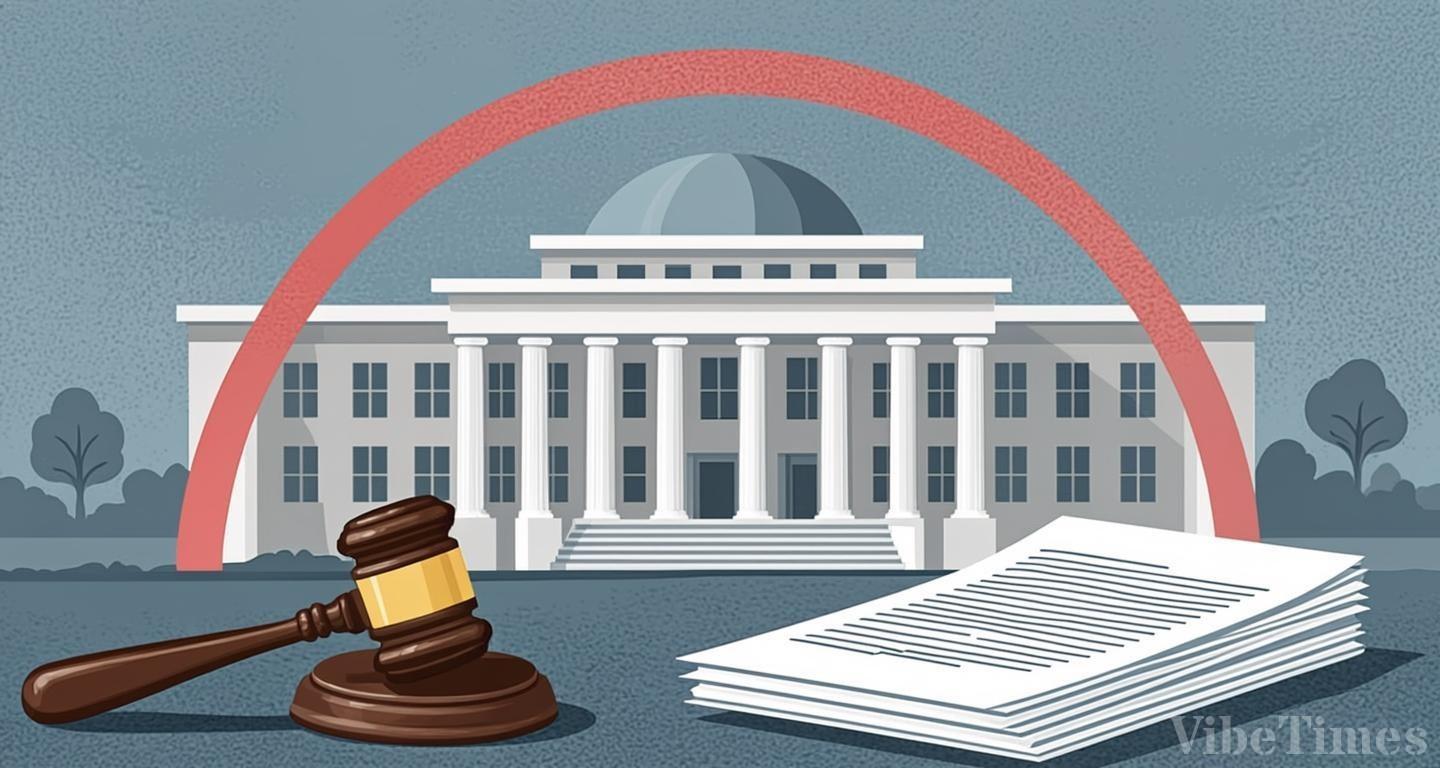
The National Assembly plenary session ended a filibuster and passed the special prosecutor bill on fabricated indictments.
Background to the Bill
The bill is intended to have a special prosecutor reinvestigate past cases in which suspicions were raised that the prosecution had fabricated and filed indictments for political purposes. The National Assembly was deadlocked for more than three days after the opposition People Power Party objected that most of the cases under investigation involved President Lee Jae-myung. The PPP claimed the bill was, in effect, a ploy to withdraw the indictments in the cases involving President Lee.
At the Legislation and Judiciary Committee stage, the ruling Democratic Party revised the original bill, removing the "indictment withdrawal" clause and instead adding cases from the Moon Jae-in administration to the scope of investigation. The adjustment was seen less as a bipartisan compromise than as a strategic move to secure votes in the plenary session.
Key Provisions and Procedure
The core of the bill is to appoint a special prosecutor to independently reinvestigate cases involving suspicions of fabricated indictments. With the indictment withdrawal clause removed from the scope, the special prosecutor would instead determine whether to uphold the indictments. However, the opposition's criticism that most of the cases under investigation are linked to President Lee Jae-myung remains.
Before the bill was put to a plenary vote, the PPP launched an extended filibuster and took a hard-line stance, announcing large-scale outdoor rallies and protests in front of the presidential office. But with the filibuster ending as scheduled, the bill passed through the plenary vote.
Political Fallout and the Debate
The same day, the National Assembly also passed a resolution, pushed by the ruling party, calling for the expulsion of PPP lawmaker Kim Tae-gyu, who sparked controversy with remarks denying the insurrection. Since the vote was carried out with opposition members abstaining, political confrontation is likely to deepen further.
Lee Jun-seok of the Reform Party warned that lawmakers who voted for the bill would be judged at the polls. Choi Bo-yoon, the PPP's chief spokesperson, said the Democratic Party was seeking to investigate and cover up the "anti-National Intelligence Service, divisionism, Shincheonji three-way secret alliance" allegations itself, and demanded the introduction of a special prosecutor recommended by the opposition. As Stephen Lecce noted that "a half-truth can become an even more powerful weapon," some interpret that the situation, in which each camp claims a different piece of the truth, has become even more pronounced with the bill's passage.
The bill passed by the plenary session now moves to the government, and whether the special prosecutor's investigation actually begins ultimately depends on the president's signature and the selection of the special prosecutor. With interparty conflict spilling into the streets, the process of selecting the special prosecutor candidate is likely to become the next political flashpoint.
Meanwhile, the "2026 National Assembly Legislative Expo" opened the same day at the Assembly's central lawn plaza, where Assembly Speaker Cho Seok-won pledged to reflect the public's ideas into laws and institutions, and the Small Business Federation participated to promote the protection of small business owners' rights. However, the fact that the filibuster and the expulsion vote proceeded simultaneously behind the scenes of this legislative event reflects the current temperature of the National Assembly. Whether the special prosecutor bill will serve as an institutional mechanism to uncover suspicions of prosecutorial fabrication, or be seen as a tool of political retribution, will be determined by the course of the investigation to come.
