Cheonghae Unit Deployed 650 km from the Strait of Hormuz

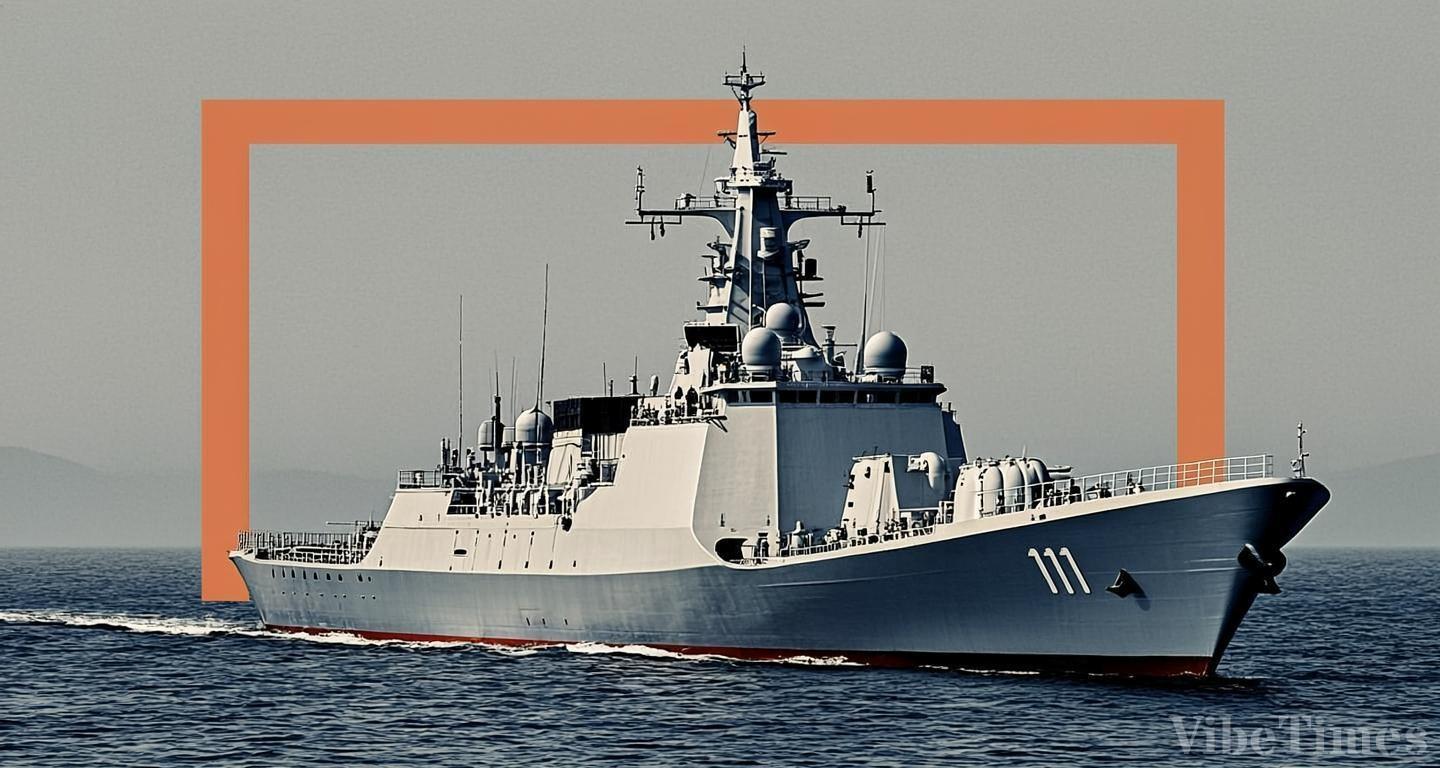
The government will expand the operating area of the Cheonghae Unit (the Navy task force protecting merchant ships in the Gulf of Aden) to waters off southern Oman, about 650 kilometers in a straight line from the Strait of Hormuz. The Defense Ministry announced the revised deployment extension agreement containing these changes on the 5th, citing a surge in Somali piracy and the need to broaden the unit's area of operations. Since March, the United States has been pressing the Korean government to deploy military assets such as warships and mine detection and removal equipment, and to join surveillance and reconnaissance activities in the Strait of Hormuz. The latest decision is seen as a limited concession — a workaround response to those demands.
The revised agreement also includes the additional deployment of Navy maritime patrol aircraft and unmanned mine-clearing assets such as unmanned underwater vehicles (UUVs), along with an Explosive Ordnance Disposal (EOD) team to operate them. The Defense Ministry left open the possibility of joining military operations in the Strait of Hormuz, such as mine clearance, saying it "does not rule out the purpose of building future operational readiness by training with multinational coalitions so that we can respond to requests from the international community once a safer environment is established."
Experts analyzed that it remains uncertain whether the decision will help improve South Korea–U.S. relations. Lee Byung-chul, a professor at the Graduate Institute of International Studies, said, "The government has announced the maximum it can offer, but it is unclear whether the U.S. will accept it." Yang Uk, a research fellow at the Korea Research Institute for Strategy, noted that diplomatic gains will likely be modest given the timing, after the U.S. midterm elections.
In September, Iran's Foreign Ministry warned that it could view countries stationing forces in the Strait of Hormuz or joining military operations there as supporting aggressors, adding in Korean that "dangerous choices come at a price." Yoo Dal-seung, a professor at Konkuk University, pointed out that if negotiations become difficult, South Korean merchant ships or tankers could become targets. The Foreign and Defense Ministries said they would communicate thoroughly with Iran to avoid unnecessary misunderstandings.
Domestically, there are also concerns over demands for a further troop increase and the safety of service members. Kim Jun-hyung, the floor leader of the Rebuilding Korea Party, said, "We cannot rule out the possibility that information gathered by our maritime patrol aircraft could be used in military operations and perceived by the other side as hostile military action," adding, "Who can guarantee that an expanded operating area will not lead to demands for additional deployments?" Yoo Ji-hoon, a research fellow at the Korea Research Institute for Strategy, said the situation needs to be managed by weighing the risk of accidental clashes and diplomatic burdens arising from the expanded deployment.
While the expanded deployment is a compromise between U.S. demands for security cooperation and the national interest of securing Middle East energy shipping lanes, fallout could follow — including pressure for further deployments and concerns over the safety of deployed troops — depending on the reactions of the United States and Iran, leaving situation management as a pending task for the government.