People Power Party brands 'fabricated indictment' special counsel act a 'jailbreak project'

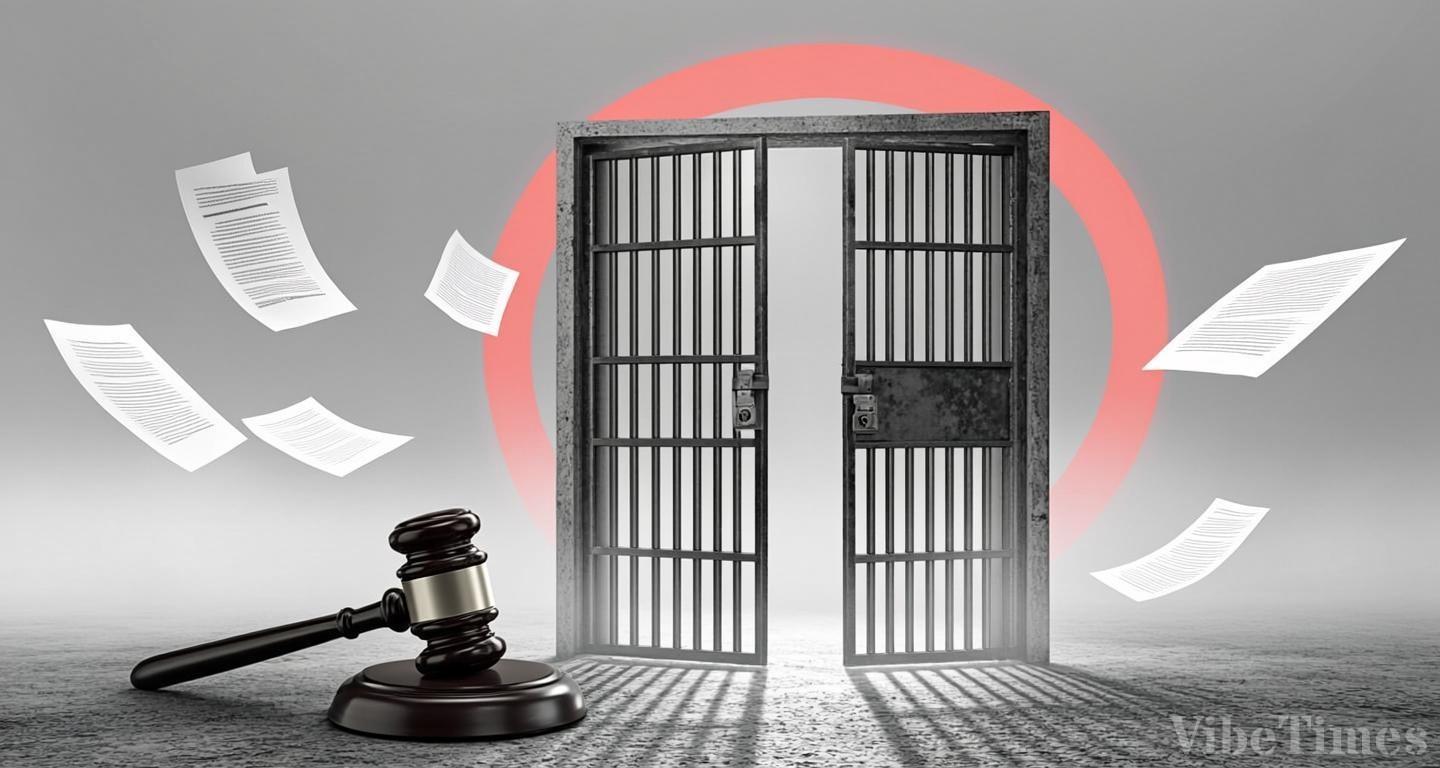
The People Power Party has branded the special counsel act on fabricated investigations and indictments a "Lee Jae-myung jailbreak project," while openly calling for the president's impeachment and the resumption of his trial. Party leader Jang Dong-hyuk made the demand at an outdoor supreme council meeting held in front of the fountain at the Cheong Wa Dae guest quarters on the 9th, urging the bill be withdrawn. The confrontation between the ruling and opposition parties has thus spilled beyond the National Assembly to the streets outside the presidential office.
How the Bill Passed and Where the Dispute Began
The special counsel act on uncovering the truth behind fabricated investigations and indictments would task a special prosecutor with reinvestigating cases tied to President Lee Jae-myung. It passed the National Assembly plenary session on the afternoon of the 6th, driven by the Democratic Party. The passage was dramatic. When the People Power Party launched an unlimited debate—a filibuster—the Democrats forced an end to the floor talk by vote after roughly 24 hours and pushed the bill through. This is why critics say the bill was rammed through by sheer majority force without bipartisan agreement.
The bill's roots lie in questions over the credibility of prosecutorial investigations. The Democratic Party has long argued that the criminal cases surrounding President Lee were politically motivated fabrications. Its rationale is that prosecutorial power must never become the private property of any administration. The People Power Party, by contrast, takes issue with the bill's character as protection for a specific individual. Its counterargument: allowing reinvestigation of a sitting president's cases amounts to a privilege law that effectively nullifies the judiciary's judgments.
The Core Arguments in the Partisan Battle
Criticism from the People Power Party is growing louder by the day. Leader Jang Dong-hyuk, saying "presidents too must go to prison if they do wrong," likened the special counsel act to a "president's personal law firm"—the National Assembly mobilized to rescue an individual who ought to stand trial. Former Justice Minister Han Dong-hoon added weight to the opposition camp's voice, declaring the act a "privilege law." Following the outdoor supreme council meeting at Cheong Wa Dae on the 9th, the party launched a relay of one-person protests, signaling a nationwide resistance campaign.
The Democratic Party's logic starts from the opposite direction. With sharp retorts like "Have you no shame?" the party stresses that the bill is not a favor for a particular person but a public mechanism to uncover the truth of fabricated investigations. Its purpose, Democrats say, is to establish a fair standard of justice and correct the prosecutorial practice of targeting specific politicians. They also push back that the bill's intent is being obscured by the opposition's repeated "forced arguments."
The Bill's Scope and Institutional Ripple Effects
Even if the bill has passed, one hurdle remains: the president's signature—that is, its promulgation. While the bill's direct target is the cases related to President Lee Jae-myung, institutionally it could affect the special prosecutor system as a whole. Disputes over the scope of a special prosecutor's investigation, the appointment method, and the boundaries of indictment powers are highly likely to recur in similar future legislation. Legal circles note that legislation targeting specific cases creates political problems distinct from judicial independence.
Some draw comparisons with past administrations. Analyses have already emerged speculating how this president will resolve the impasse through the lens of the reconciliation politics of the Kim Dae-jung era—testament to how much weight the promulgation decision carries as the president's political choice. Legal battles are also expected, since a special counsel investigation into cases whose trials are underway could collide with the substantive progress of those cases themselves.
Timeline Ahead and Political Outlook
In the short term, the People Power Party's street campaign is expected to continue. The party is seen ramping up pressure through the relay protests outside Cheong Wa Dae and expanded outdoor supreme council meetings, while driving its calls for President Lee's impeachment and the resumption of his trial as official party positions. The Democratic Party, meanwhile, will likely focus on persuading the public of the bill's legitimacy and expanding the debate on prosecutorial reform.
The medium-term focus converges on whether the president will exercise his veto. If the bill is promulgated, the special counsel investigation will begin in earnest, opening the unusual scenario of trial and investigation proceeding in parallel; if he exercises his right to reconsideration, the standoff moves to a revote between the parties. Either way, the national agenda appears set to remain tied up with this bill for a considerable period. With the legislative power of the Assembly's majority party colliding with the judiciary's trial procedures, the issue is expected to ultimately remain a fundamental question about the boundary between the legislative and judicial branches within the constitutional order.
