Government Pushes to Convert Unused Points into Local Currency

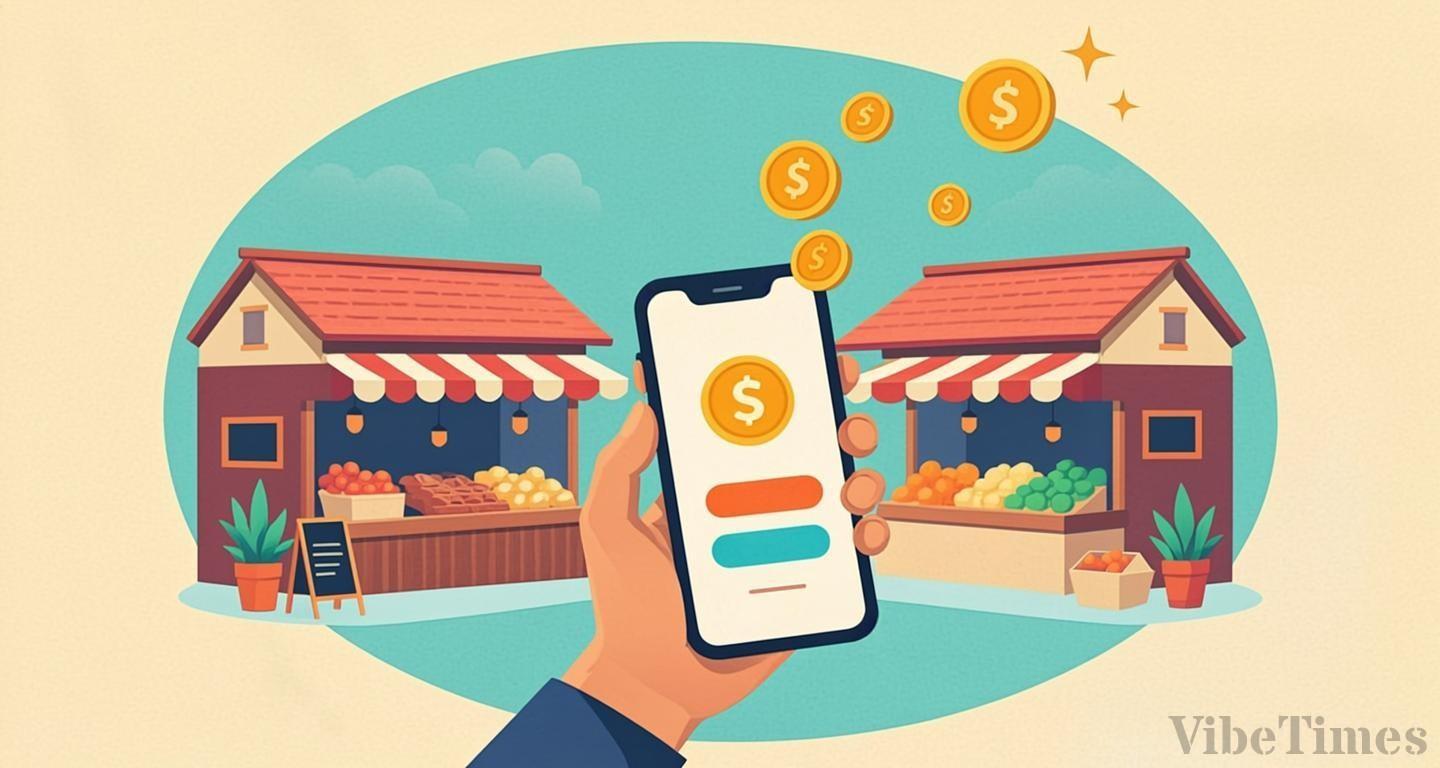
Starting next May, unused card points totaling 2.1 trillion won will be convertible into local currency. Local currency can only be used in specific regions, allowing scattered points to be put toward actual spending.
The government reported its 'Plan to Promote the Conversion of Unused Points into Local Currency' at the 17th National Policy Coordination Meeting chaired by the prime minister on the 13th. The plan follows a presidential directive issued at a Cabinet meeting on June 30 to convert various points into local currency in order to boost consumption and revitalize traditional markets and neighborhood commercial districts.
From next May, consumers will be able to check their card points through Account Info, the Financial Telecommunications and Clearings Institute's integrated account information management system, or through local currency applications. Once they apply to convert a desired amount, the conversion will take place the following day. To this end, the government plans to establish computerized links between card companies and local currency operators, centered on Account Info.
The government targeted card points first because their cumulative balance has reached 2.1 trillion won and a cash conversion system is already well established. The idea is that channeling idle points into local currency can ease household burdens while directing funds to small business owners.
The scope will gradually expand beyond credit card points. The government will hold consultations with relevant institutions to allow points from public agencies, such as KTX mileage and carbon neutrality points, to be converted into local currency. It also plans to encourage voluntary participation from private industries, including retail and aviation.
Minister of Government Policy Coordination Im Ki-keun said, "We will continue consultations to increase the utilization of dormant points to reduce household burdens and to channel funds into traditional markets, neighborhood commercial districts, and other small business owners, injecting new vitality into local economies."