Import Prices Ease, but Shoppers Only Feel the Pain of Beef Prices

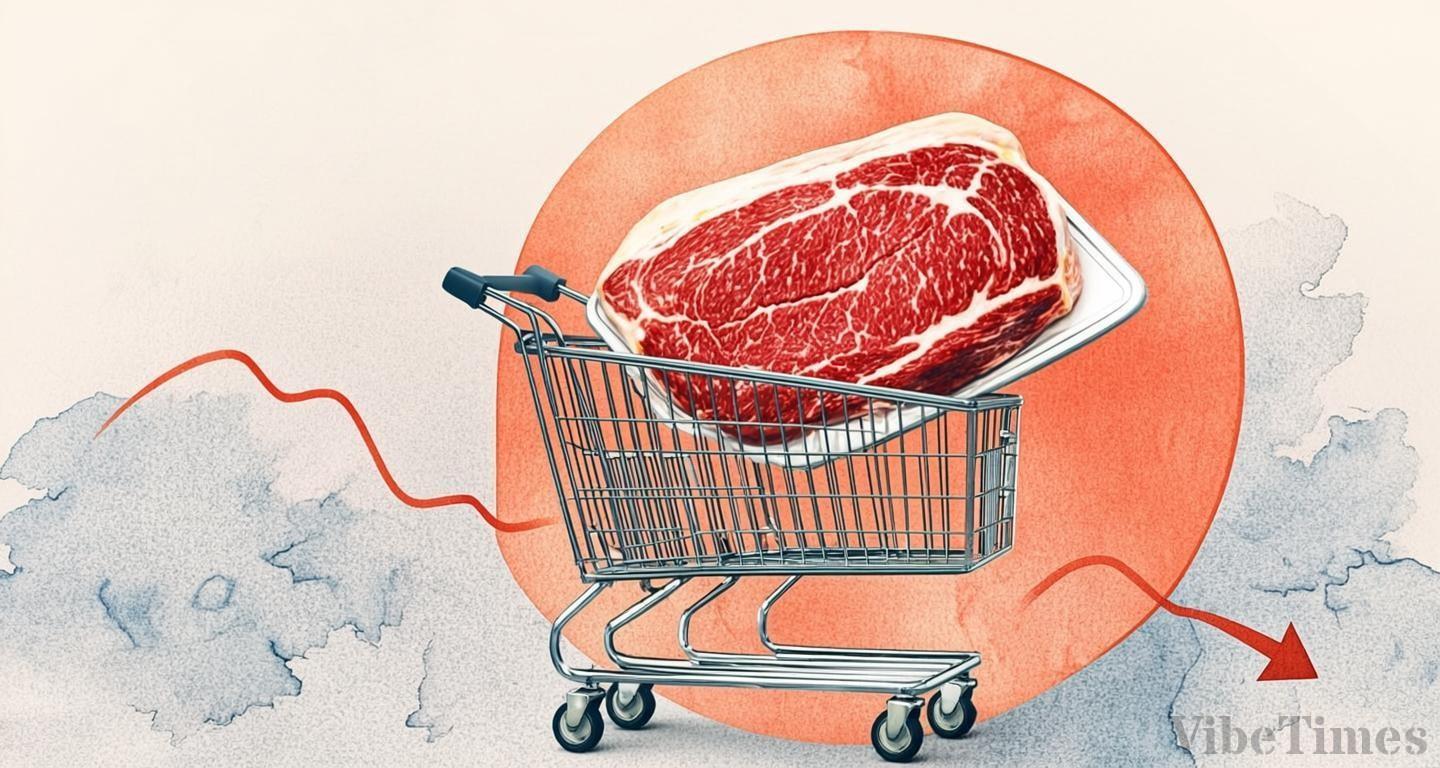
With both the exchange rate and international oil prices falling, the upward trend in import prices has slowed, but prices as felt by consumers remain high. According to the Bank of Korea, import prices last month fell 1.8% from the previous month, yet shoppers at the imported beef section of a large supermarket in Seoul on the 13th hesitated to put items in their carts. They complained that despite the weaker won, the prices of imported products have not come down. Because prices had risen so sharply before, the relief is hard to feel.
Import prices are still 13.5% higher than the same month last year, marking the eighth straight month since March that they have exceeded 10% year-on-year growth. It typically takes several months for lower import costs to be reflected in actual retail prices. This time lag is also an obstacle to consumers not feeling any relief. Kang Min-wook, an economics professor at Korea University, pointed out, "It takes time for imported goods to translate directly into everyday consumer goods," adding, "If the exchange rate or oil prices fluctuate again, it may have no effect on consumer prices at all."
Meanwhile, the government has once again frozen the ceiling on petroleum prices, judging that while international oil prices are lower than a month ago, they remain more than 70% higher than a year earlier.
