Government to launch 'Digital Housing Supply Dashboard' in December

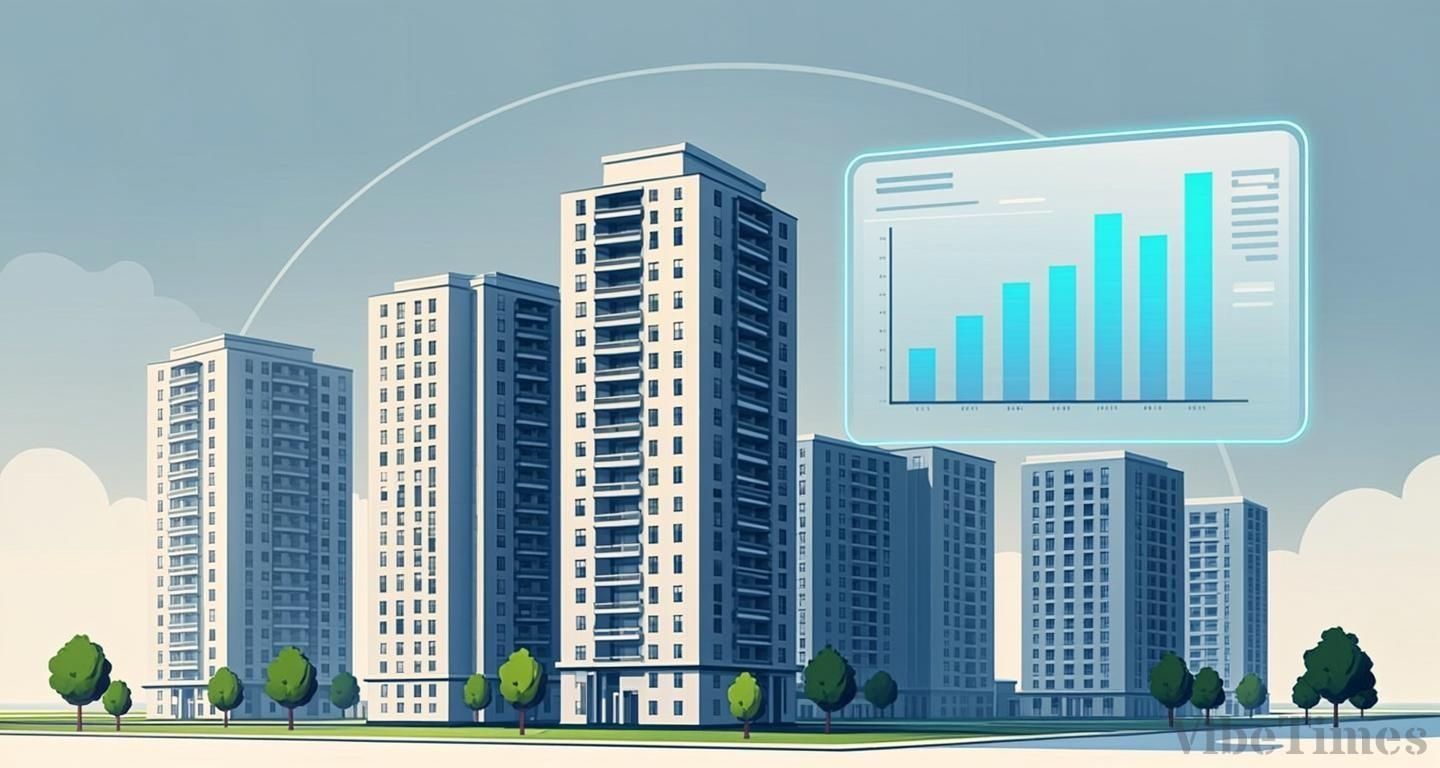
The government announced at the 'Third Regular Housing Supply Briefing' held at the Government Complex Seoul briefing room on the 13th that it will release the 'Digital Housing Supply Dashboard' from late December, allowing the public to see at a glance the supply plans and progress of major housing projects. The government plans to continuously monitor progress so that supply plans lead through construction starts to sales and move-in.
At the same briefing, the government also decided to fully launch the 'Housing Supply Integrated Support Center' to swiftly resolve permitting (approval and authorization procedures) and financing (fund-raising) difficulties at project sites.
The second-half LH public offering for private-participation public housing projects will cover about 9,000 units across 10 blocks, including Wangsuk in Namyangju. Of these, the offering launched on the 13th covers 5,782 units across 6 blocks (3 packages), with a total project cost of 1.6 trillion won. It includes third-generation new town blocks such as Namyangju Wangsuk 2 A-10 and Goyang Changneung A-3, as well as metropolitan-area blocks such as Suwon Dangsu and Siheung Geomo. The remaining 4 blocks, including Wirye business district, totaling about 3,000 units with a project cost of about 900 billion won, will be offered sequentially through December this year. LH plans to select developers within the year with the goal of breaking ground next year.
As financial support to normalize housing projects, difficulties were resolved at 8 project sites covering about 6,000 units, and 19 financing-related institutional improvements were completed. Of the 145 institutional improvement tasks under the August 13 rapid housing supply measures, 65 have been completed, with the remaining 80 progressing on schedule. The 'PF and Construction Company Financial Difficulty Resolution Center' established under the August 13 measures had received 64 cases as of November 6, of which 50 have completed consultation and review, while the remaining 14 are under review in coordination with relevant agencies.
The average relocation rate in the priority development zones of the third-generation new towns rose to 91 percent as of October this year, with a demolition rate of 70 percent.
