National Human Rights Commission Rules 24-Hour CCTV Surveillance at Seoul Detention Center Excessively Infringed Basic Rights

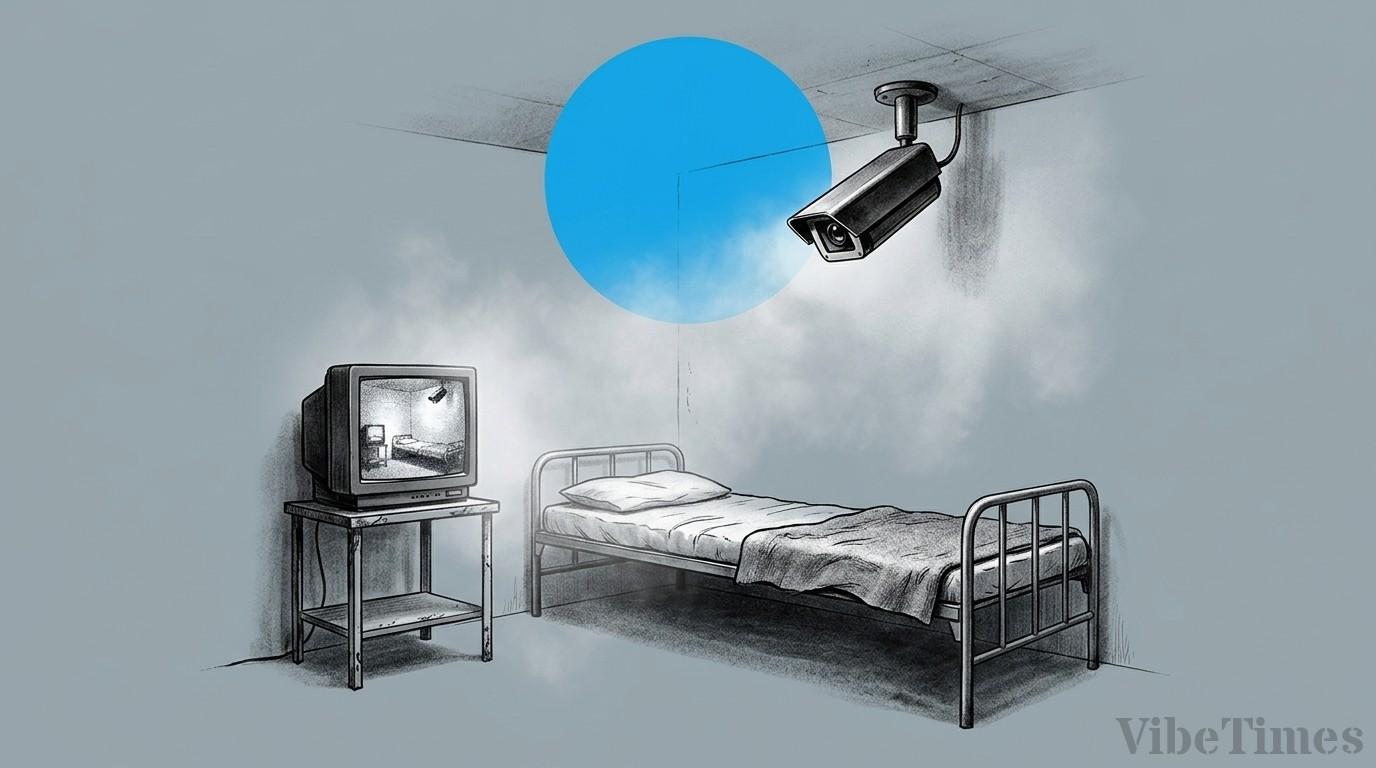
The National Human Rights Commission of Korea (NHRCK) has determined that 24-hour closed-circuit camera (CCTV) surveillance of a detainee at the Seoul Detention Center over a period of one year and three months went beyond the minimum necessary and excessively restricted basic rights. Kim Gil-su, who was held at the Seoul Detention Center, filed a petition (a complaint alleging harm) with the NHRCK in January, claiming his right to privacy and freedom had been violated by the round-the-clock surveillance, and the commission upheld his claim.
Petitioner Kim was arrested in September 2023 on charges of deceiving a member of an illegal money laundering organization to meet him, spraying him with tear gas, and fleeing with a bag containing 740 million won in cash, in order to repay gambling debts. Arrested by police on October 30 of that year, he swallowed a plastic spoon handle while in a police holding cell and complained of abdominal pain. After being transferred to the Seoul Detention Center, Kim on November 4 asked guards to remove his handcuffs, saying he needed to use the restroom while receiving treatment at an outside hospital. Seizing a moment when surveillance was lax, he changed into a hospital staff uniform and fled. Police apprehended him about 63 hours later, around 9:24 p.m. on November 6, at a public phone booth in Uijeongbu, Gyeonggi Province.
Kim was indicted on charges including robbery and escape and was sentenced to four years and six months in prison at the appeals trial in June 2024. At the time, the court pointed out that his criminal method was exceptionally bold and egregious, including deliberately stealing a large sum of cash and intentionally swallowing a spoon to be transferred to a hospital before escaping during a lapse in surveillance.
The NHRCK acknowledged that 24-hour electronic video monitoring was necessary in the early stages of Kim's detention, given the confirmed risk of suicide and self-harm. However, it judged it inappropriate to continue the surveillance for a prolonged period even after his psychological state and conduct in detention had improved. According to the commission's investigation, mental health screening results showed significant improvement in Kim's indicators for depression and suicide risk. Counseling records also noted that he was complying with guards' instructions and adapting to detention life through outdoor exercise, reading, and other activities.
Even so, the NHRCK noted there was no confirmation that these changes were specifically reflected in reviews of whether the electronic video monitoring should continue. Accordingly, the commission recommended that the Minister of Justice and the warden of the Seoul Detention Center ensure that periodic psychological evaluations by mental health professionals are reflected in reviews of whether prolonged electronic video monitoring should continue.