A Diet Guide That Swaps Starvation for Three Full Meals a Day

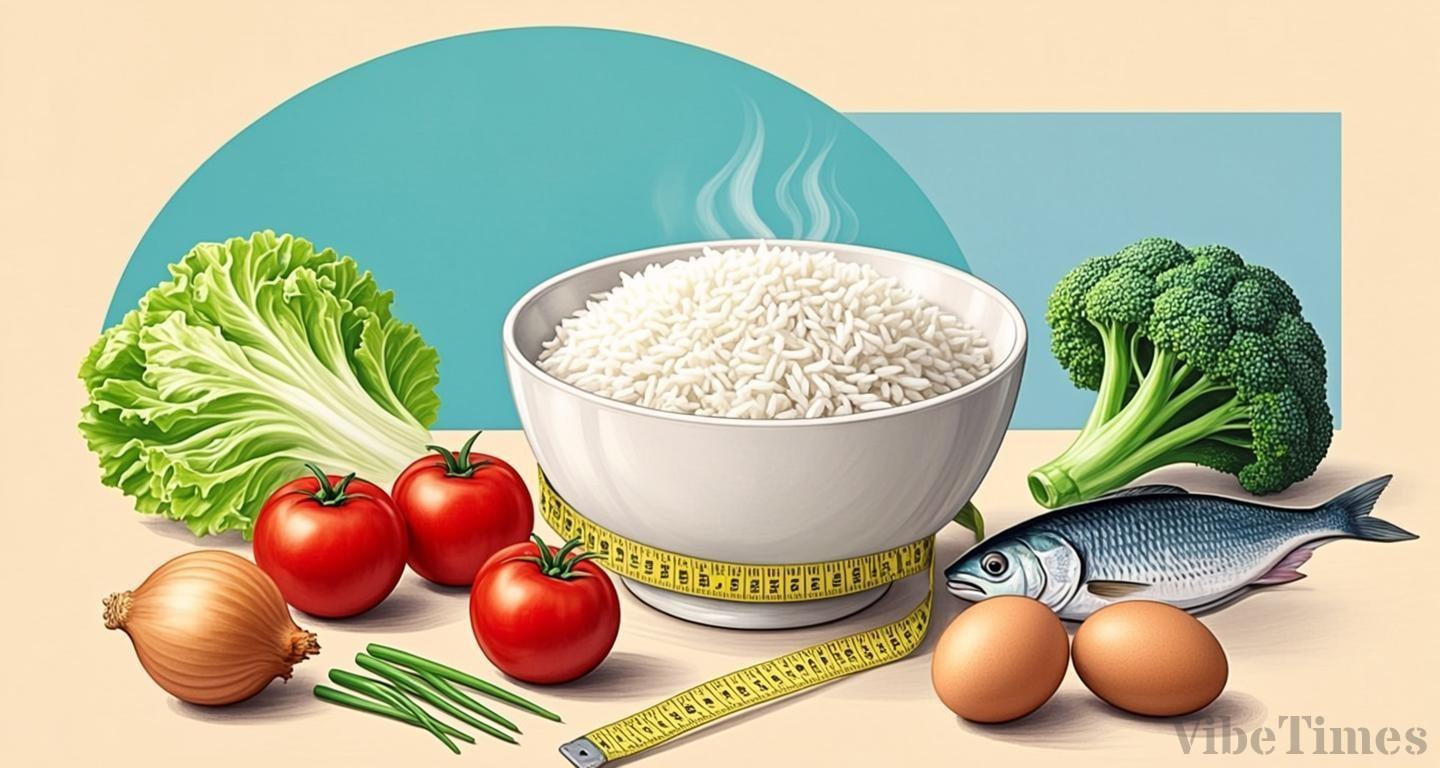
Cutting just 500 kcal a day allows you to lose about half a kilogram per week while still eating three full meals.
The key to successful weight loss is not eliminating carbohydrates, but creating a calorie deficit and strategically placing protein. According to the Korean Society for the Study of Obesity, losing 1 kg of body weight requires a deficit of roughly 7,700 kcal, and a daily deficit of 500 kcal translates into a healthy loss rate of 0.5 kg per week. Both domestic and international research, along with frontline nutrition counseling, consistently conclude that starvation approaches actually lead to failure.
Why Starvation Diets Fail
What Eating Under 800 kcal a Day Does to Your Body
According to data from the Korean Nutrition Society, consuming fewer than 800 kcal a day for several weeks reduces basal metabolic rate by 10–20%. The body, perceiving a state of starvation, cuts its own energy expenditure. During this process, muscle mass also declines, so when normal eating resumes, fat accumulates more easily — the classic yo-yo effect.
The Half-True Myth That 'Carbs Equal Fat'
Studies published in the 2020s in journals such as NEJM and The Lancet pinpoint refined carbohydrates — white rice, flour, and sugar — as the real problem. A majority conclude that complex carbohydrates like brown rice and mixed grains actually aid weight management. In short, there is no need to give up rice; you only need to change its type and portion.
Design Principles for a Weight-Loss Diet That Includes Rice
Target Calories and the Plate Formula
A sustainable weight-loss range is roughly 1,400–1,600 kcal for women and 1,700–2,000 kcal for men. Reduce your current intake by 400–500 kcal to fall within this range, then spread the calories evenly across three meals to prevent binge eating.
Building each meal around a plate makes the math simple: mixed-grain rice fills one quarter of the plate (150–200 g), protein another quarter (80–120 g of lean meat or 1–2 eggs), and vegetables take up half (200 g or more).
Protein of 1.2–1.6 g per Kilogram to Preserve Muscle
Research in journals such as the American Journal of Clinical Nutrition reports that 1.2–1.6 g of protein per kilogram of body weight is effective for preserving muscle during weight loss. For a 60 kg adult, that means 72–96 g a day. With about 23 g of protein in 100 g of chicken breast, placing roughly 100 g of protein-rich food at each meal naturally reaches the target.
A Practical Three-Meal-a-Day Sample Menu
A Day Built Around Roughly 1,500 kcal
Breakfast is about 400 kcal: 150 g of brown rice, two boiled eggs, a cucumber and lettuce salad, and a cup of low-fat milk. Lunch comes to about 500 kcal: 200 g of mixed-grain rice, 100 g of grilled chicken breast, two side dishes of seasoned vegetables, and soybean paste soup loaded with vegetables. Dinner totals around 450 kcal: 100–150 g of brown rice, half a grilled mackerel, a tofu salad, and stir-fried vegetables.
If you exercise right after breakfast, even two-thirds of a bowl of rice is no problem, since carbohydrates at this time go toward replenishing muscle glycogen and supporting muscle synthesis. Snacks such as cherry tomatoes, ten almonds, or Greek yogurt, kept under 150 kcal, help maintain satiety.
Comparison with Keto and Intermittent Fasting
Keto diets deliver fast short-term weight loss but show poor long-term sustainability and impose heavy social burdens. Intermittent fasting is also effective, but comparative studies from 2020–2023 point out that total calorie intake is what ultimately matters. A rice-centered balanced diet may be slower, but it fits most naturally into Korean eating culture and carries a lower yo-yo risk — making it the best choice over a one-year horizon.
Low-GI Strategies That Upgrade Your Rice
Start by Mixing Grains Instead of Eating White Rice
White rice has a glycemic index (GI) of about 80 or higher, while brown rice ranges from 55–70, and mixed-grain rice with brown rice, oats, and beans sits at 50–60. The higher the mixed-grain ratio, the gentler the blood sugar rise and the longer the feeling of fullness lasts. Rather than going 100% brown rice from the start, begin with a 7:3 blend of white and brown rice to ease digestive strain and resistance.
Filtering Out Refined Carbohydrates
The essence of the low-GI trend is keeping good carbohydrates while cutting out refined ones. Simply replacing white bread, instant ramen, and high-fructose drinks like coffee mixes with whole grains, rice, and water cleans up a large portion of your diet. Fruit also contains sugar, so limiting it to one or two small servings a day is safest.
A Fail-Safe Checklist for the Three-Meal Diet
Four Things to Check Every Day
Check whether you are within your daily calorie target, whether each meal contains at least 20 g of protein, whether your rice includes whole grains, and whether you ate all three meals regularly. Changing your eating order to vegetables first, then protein, then rice also blunts blood sugar spikes and boosts satiety. For soups and stews, focus on the solid ingredients; and cutting dinner rice by 20–30% compared to breakfast and lunch is a practical rule for portion control.
Monitoring Progress and When to Adjust
A loss of around 0.5 kg per week is a healthy pace. Faster than that signals a risk of muscle loss; slower means your calorie estimates have drifted from actual intake. Record your weight and body fat percentage every two weeks and fine-tune rice portions and protein amounts accordingly. For exercise, follow WHO recommendations: at least 150 minutes of aerobic activity per week plus strength training twice a week. Sleeping at least six hours is essential to prevent appetite hormone disruption.
As clinical dietitians consistently emphasize, dieting is not a short-term event but an improvement in eating habits. Track body fat percentage and waist circumference alongside weight, and remember that a truly successful diet is one you can still maintain a year later. Those with diabetes or kidney disease, however, must consult a physician and clinical dietitian before starting any diet plan.