How One Person Cut Monthly Food Costs by Swapping Delivery for Meal Prep

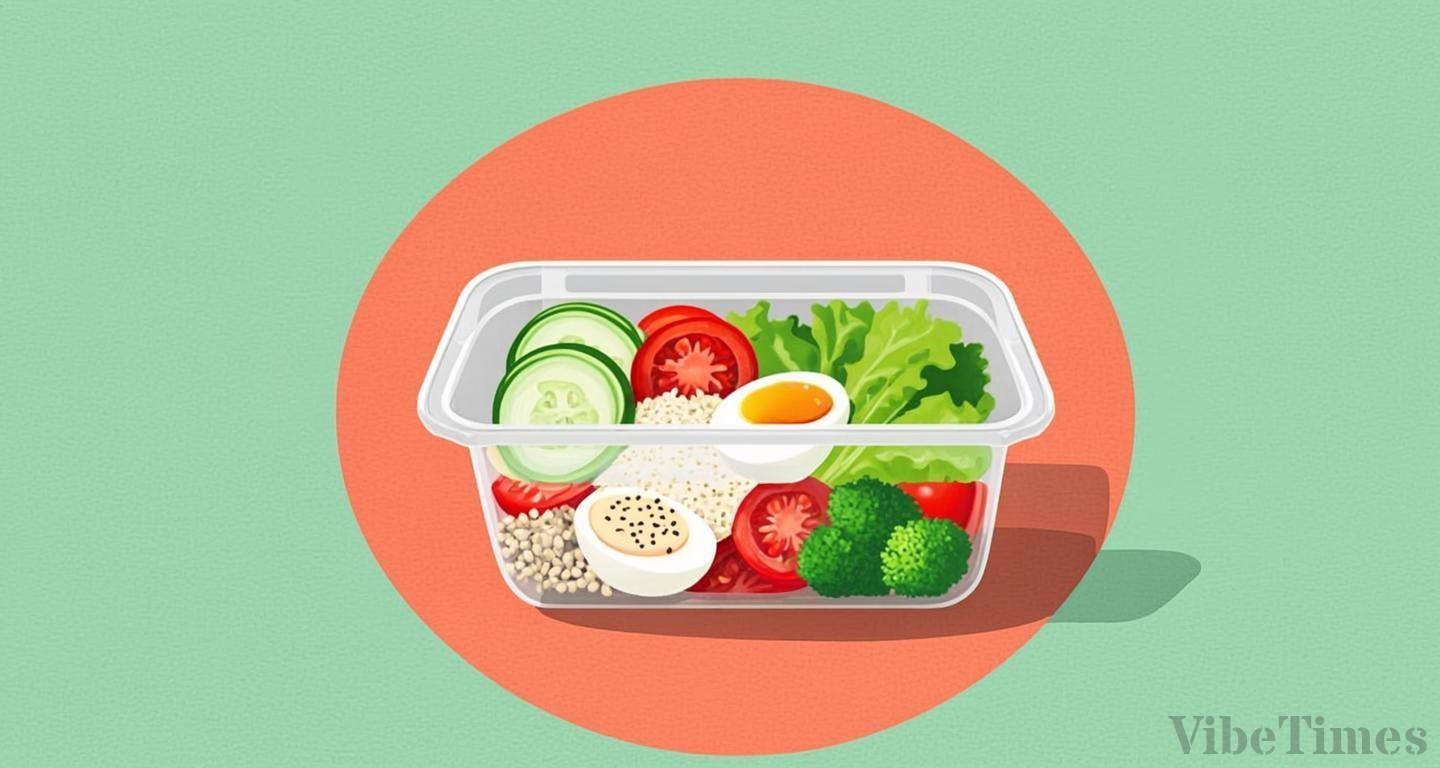
Delivery vs. Meal Prep: How Big Is the Monthly Gap?
Five Delivery Orders a Week Can Add Up to 400,000 Won a Month
The average spend per delivery order runs about 15,000–20,000 won. With delivery fees of 2,500–4,000 won plus tips stacked on top of the food price, the per-meal cost rarely comes down. Prices for dining out and takeout have been rising 3–5% a year according to Statistics Korea, and delivery food averages 10–20% more expensive than eating at the restaurant itself. Order just five times a week, and 300,000–400,000 won piles up on your monthly card statement.
Switching to Meal Prep Saves 150,000–250,000 Won a Month
A meal prep serving costs just 3,000–5,000 won — a third to a fifth of a typical delivery order. At five prep meals a week, that's 20 meals a month for a mere 60,000–100,000 won. Even adding weekend meals out, total food spending stays around 150,000–180,000 won. That works out to savings of 150,000–250,000 won a month, or 2–3 million won a year.
There is an upfront investment, though. Equipment like airtight containers, knives, and a cutting board set costs 30,000–70,000 won. Given the savings, that pays for itself within a month or two — hardly a real barrier to entry.
Recommended Singles Menus: The "1 Protein + 1 Carb + 1 Vegetable" Formula
Budget-Friendly at ~3,000 Won a Meal — Chicken Breast, Eggs, Tofu
The most foolproof combination for beginners is chicken breast + brown rice + broccoli, at 3,000–4,000 won per meal — a solid balance of price and nutrition. To cut costs further, rolled omelet + braised tofu + multigrain rice comes in at 2,500–3,500 won. Eggs and tofu offer the lowest price per gram of protein, making them the key levers for budget control.
Satisfying at 5,000–6,500 Won a Meal — Beef and Pork
Eating chicken breast every day makes it easy to give up. A beef bulgogi rice bowl runs 5,000–6,500 won per serving, and a spicy stir-fried pork (jeyuk bokkeum) lunchbox is 4,000–5,000 won — still cheaper than delivery while delivering real satisfaction. A salmon steak rice bowl (5,500–7,000 won) works well as an occasional "premium" option.
A Weekly Grocery List and Rotation
Here's what an actual weekly grocery run looks like: 3 packs of 500g chicken breast, 9,000–13,000 won; 2kg multigrain rice, 7,000–9,000 won; 10–15 eggs, 5,000–7,000 won; frozen vegetables, 5,000–8,000 won; tofu, onions, and sauces, around 5,000 won. The total is 31,000–42,000 won a week, or 3,000–4,500 won per meal.
A workable weekly rotation: Monday and Tuesday, chicken with yuringi sauce over rice; Wednesday, beef bulgogi lunchbox; Thursday, spicy pork lunchbox; Friday, egg and tofu fried rice; weekends free. Leaving the weekend open is the key safeguard against menu fatigue.
A System That Doesn't Fail: Freezing, Portioning, One-Pan Cooking
The Freeze-and-Portion System
The standard approach is batch cooking 2–3 hours on the weekend. Wash and set 4–5 days' worth of rice in the rice cooker's timer, cook 2–3 protein varieties with different seasonings, and blanch vegetables before portioning. Storage guidelines: 3–4 days refrigerated, 2–3 weeks frozen. Keep only 4–5 days' worth in the fridge and freeze the rest immediately for safety. Five to ten meal prep containers in glass or PP plastic are must-haves.
One-Pan Cooking to Cut Down on Dishes
What drives people to quit is that cooking time can feel long at 2–4 hours a week. One-pan recipes — handling stir-fries, grills, and braises in sequence with a single pan — drastically cut cleanup and lighten the load. Reheating takes just 2–3 minutes in the microwave, and rice holds up fine when frozen and reheated.
Beating Menu Fatigue and Staying Realistic
A Three-Step Cure for Menu Fatigue
Dietitians' common advice: vary the seasoning rather than repeating the same dish. With three sauces on hand (yuringi, teriyaki, gochujang stir-fry sauce, and so on), even the same chicken breast tastes different. Repeating the same menu more than three days in a row sends quit rates soaring, so rotating 2–3 protein types is the safe bet. Both failure and success stories converge on one conclusion: allowing delivery or eating out once a week as a "reward meal" actually improves long-term adherence.
Hygiene and Price-Tracking Checklist
Never leave cooked food at room temperature. When reheating, bring the center up to at least 74°C and keep the fridge at or below 4°C. Sodium and vitamin losses from freezing are minimal, but blanching vegetables beforehand helps preserve texture. Regularly checking Statistics Korea's KOSIS price index for dining out and takeout while adjusting your grocery list keeps you steady against ingredient price swings.
In the end, the key to cutting single-person food costs isn't cooking every day — it's a systematic routine of cooking once or twice a week. Spend the first month learning per-meal costs with budget menus, and once the freeze-and-portion and one-pan routines take hold, saving 200,000 won a month becomes everyday life that requires no special willpower.
