A Warning Not to Be Fooled by This Summer of AI Hype

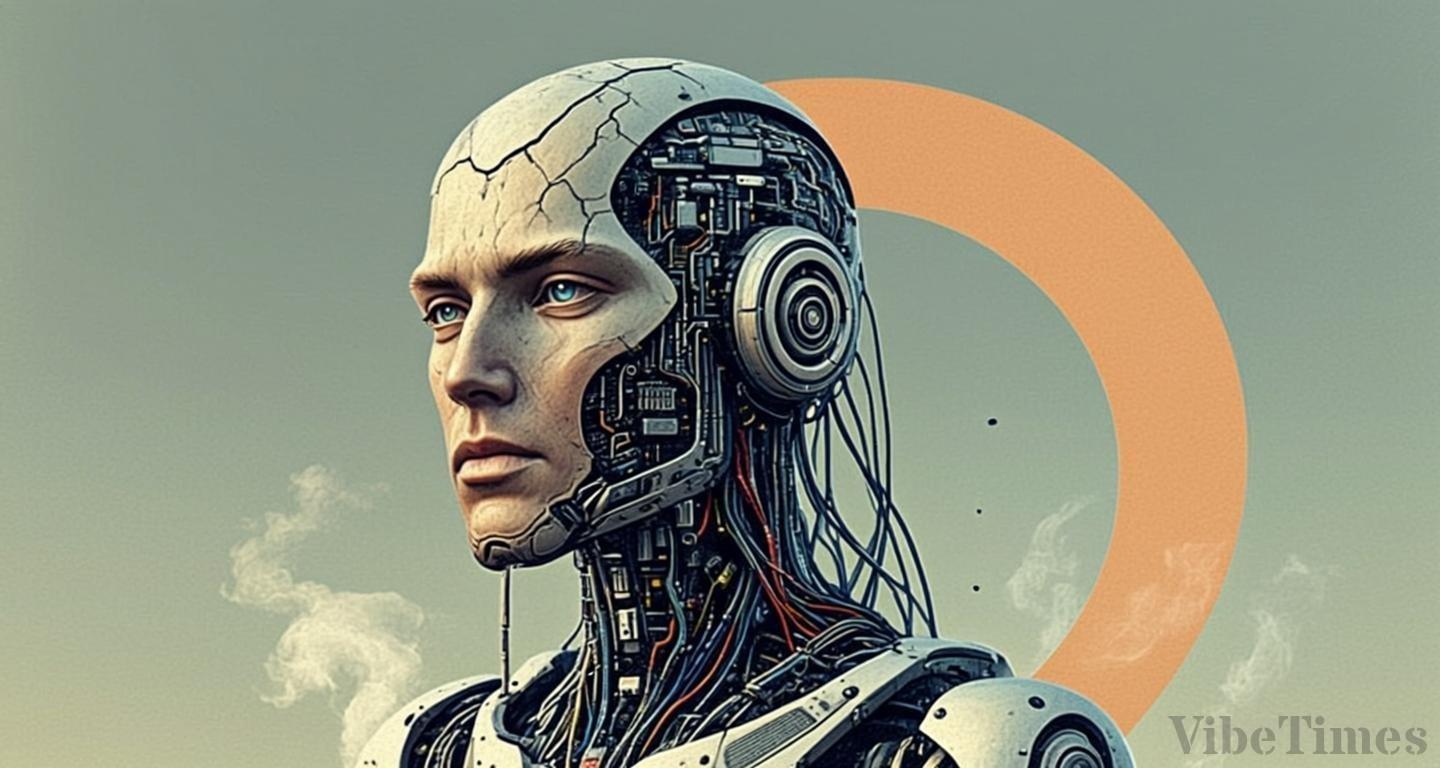
An article titled "Don't be fooled by this summer of AI hype," by Teemit Gebru and Emily Bender, was published in MIT Technology Review on September 22, 2026. The authors pointed out that the exaggerated claims made by AI companies over recent months quickly fall apart under close scrutiny.
It all began in late April. Anthropic claimed that its model, Claude Mithos, was better than most security experts at finding software vulnerabilities. Following the OpenAI–Hugging Face hacking incident, Anthropic and Meta disclosed similar incidents involving their own models, but when these were reviewed, cybersecurity experts concluded that what happened was not a case of a "model running amok" but rather the result of OpenAI's negligence and failure to follow basic security practices.
The same was true of mathematical achievements. When Anthropic claimed a mathematical breakthrough by its model, OpenAI countered with a claim of its own. OpenAI promoted its latest chatbot, Astra, as having solved difficult problems, and mathematicians initially paid attention—only to find that the results had already been reported and were not novel. Mathematicians subsequently accused OpenAI of research misconduct and plagiarism.
The two authors noted that in all of these episodes, the companies' massive publicity campaigns were accompanied by intensive media coverage, but that once time passed and opportunities for review emerged, the claims rapidly lost their force. They urged readers not to be taken in by the summer's AI hype.
