Managing Bedroom Temperature, Not Cooling Mats, Is What Transforms Summer Sleep

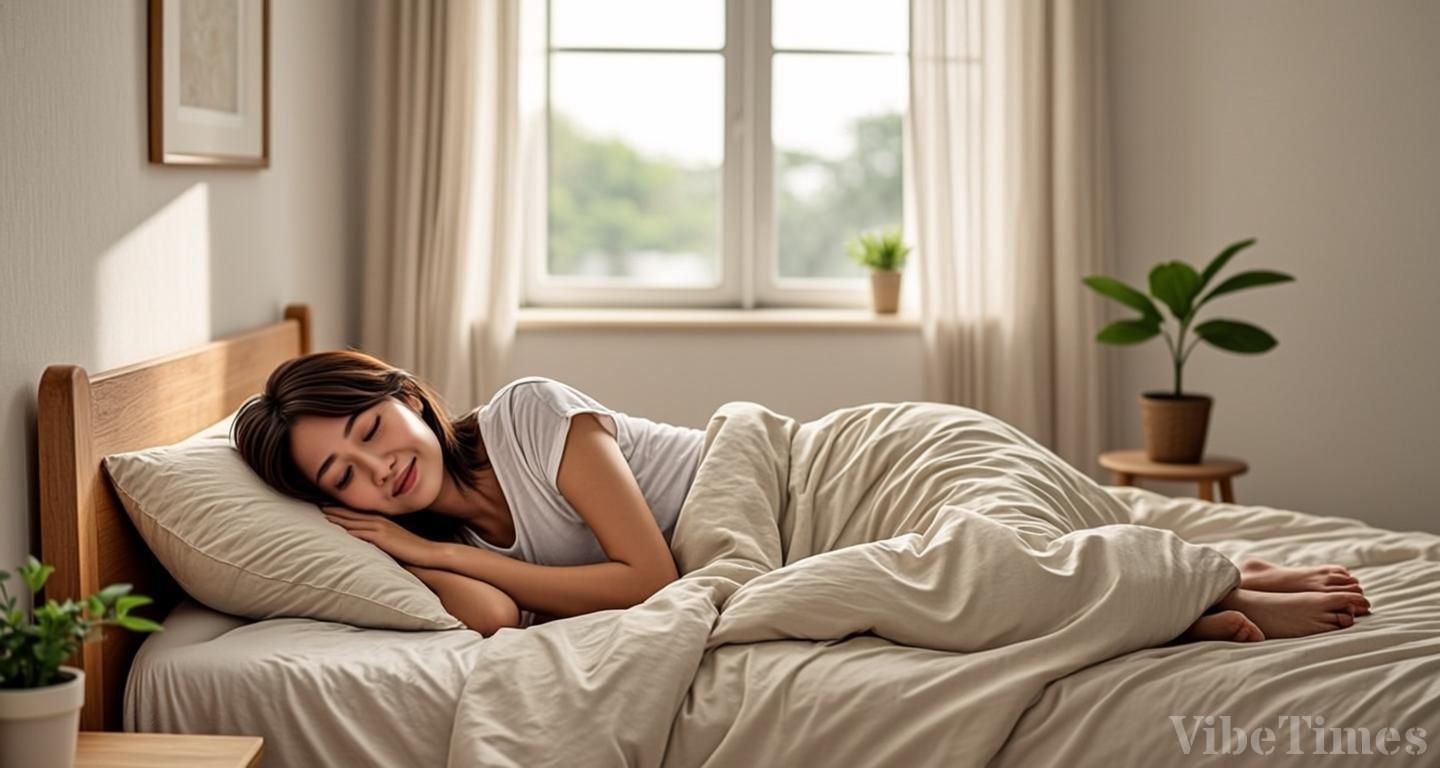
Sleep begins when core body temperature drops by about 0.5–1°C. The reason sleep eludes us on summer nights is not the heat itself, but the fact that a hot, humid bedroom blocks this drop in body temperature. Even without a cooling mat, window management, humidity control, bedding choices, and a combination of air conditioning and fans can create a sufficiently cool sleeping environment.
According to established standards in sleep research, the ideal indoor temperature for sleep is around 18–22°C, with humidity between 40–60%. Even with the air conditioner set relatively high at 26–27°C, running it alongside a fan lowers the perceived temperature by 2–3°C, achieving a similar effect. This combination can also save about 10,000–20,000 won per month on electricity bills compared to using the air conditioner alone.
Why Summer Nights Keep You Awake
The Drop in Body Temperature Is the Switch That Triggers Sleep
The human body naturally begins lowering its core temperature one to two hours before sleep. The problem is that when outdoor temperatures are high, this descending curve never forms. The result: delayed sleep onset, frequent nighttime awakenings, and reduced deep sleep, or slow-wave sleep. This is precisely where the chain reaction leading to daytime fatigue and reduced concentration begins.
Tropical Nights Are a Health Problem, Not Just a Discomfort
Numerous studies show that when tropical nights—with minimum temperatures above 25°C—repeat, sleep architecture collapses and the risk of stroke and cardiovascular disease rises, particularly among the elderly. Especially in urban heat island areas, the upper floors of apartment buildings stay hotter because heat accumulated in the walls is released late into the night. In sweltering conditions, sweat cannot evaporate, making temperature regulation itself difficult.
Time-of-Day Strategies to Lower Perceived Temperature
Noon to 5 PM: Window Management Is Half the Battle for a Good Night's Sleep
The most effective cooling is blocking heat before it enters. Open the windows at 6–8 AM to ventilate with the cool morning air, then keep them completely covered with blackout curtains from noon until 5 PM. Blackout curtains block 60–80% of radiant heat. Adding insulation film or aluminum foil sheets to windows enhances the effect further. Turning off heat-generating appliances and lights, and replacing incandescent bulbs with LEDs, also helps cumulatively.
In the Evening, Release the Body's Heat
After sunset, around 7–8 PM, open windows on opposite sides to create cross-ventilation and expel the heat built up indoors. Pointing a fan outward pushes hot air out faster. Two to three hours before bed, take a shower with lukewarm water at 37–38°C. Afterward, peripheral blood vessels dilate, releasing body heat, lowering your temperature, and promoting sleep onset. Cold showers have the opposite effect: after initial vasoconstriction, body temperature rebounds.
While sleeping, use localized cooling and timers
Placing a damp towel or ice pack on areas rich in blood vessels—such as the neck, armpits, or groin—can effectively lower body temperature at little cost. Another trick is chilling your pillowcase in the freezer before bed. Drinking a glass of lukewarm water before bed is also important, as dehydration reduces the body's ability to release heat. To prepare for the period of lowest body temperature between 3 and 5 AM, run the air conditioner on a 2–3 hour timer.
Changing Your Bedding and Bed Environment
For materials, breathability and moisture-wicking are key
Breathable, moisture-absorbing fabrics such as linen, modal, and percale are the right answer for summer bedding. The wider the contact area of bedding against your skin and the more heat-trapping the material, the harder temperature regulation becomes. Avoid synthetic fibers like polyester; instead of a thick comforter, use a thin summer blanket or just a sheet. Since summer bedding absorbs sweat frequently, shorter washing cycles prevent hygiene problems as well.
Give Your Mattress Room to Breathe
Ensure ventilation space beneath the mattress, use a breathable cover, and if possible, stand it upright to dry during the day. Simply removing unnecessary mattress toppers or pads improves heat dissipation. Storage-style bed frames tend to trap heat and moisture, so they require regular airing.
A Cooling Combination Without Worrying About the Electric Bill
The Synergy of Air Conditioning at 26–27°C and a Fan on Oscillating Mode
Repeatedly switching the air conditioner on and off at low temperatures actually uses more electricity due to the initial cooling load. It is better to set it at 26–27°C and run a fan on oscillating mode to circulate the cooled air. This combination lowers perceived temperature by 2–3°C, so you can raise the set temperature accordingly while feeling just as cool. On humid days, a fan alone has limited effect, so using the dehumidifying function together is more efficient.
Safety and hygiene are the final conditions of cooling
Keep the indoor-outdoor temperature difference within 5–6°C to prevent air-conditioning sickness, and clean the air conditioner filter once every two weeks so that mold spores do not irritate the respiratory tract during sleep. Direct exposure to cold air can cause headaches and muscle aches, so indirect circulation is the rule. The U.S. Centers for Disease Control and Prevention (CDC) advises that sleeping in a closed room with only a fan can pose risks of dehydration and heat stroke for the elderly. Finish dinner at least three hours before bed, and avoid caffeine and alcohol, which impair temperature regulation and disrupt sleep architecture.
A cooling mat is only a supplementary tool
Products like cooling mats and cooling pads are effective at quickly chilling specific areas. However, if the bedroom's air and humidity are not managed, the cooling effect does not last. Their actual performance varies depending on material density and filling composition, and they are difficult to keep hygienic. In both cost and effectiveness, environmental management wins: blocking heat through windows, ventilating in the evening, using breathable bedding, and combining the air conditioner with a fan. Closing your window curtains this afternoon is the first step toward better summer sleep.
