South Korea Debates Lowering Age of Criminal Responsibility for Juveniles to 13

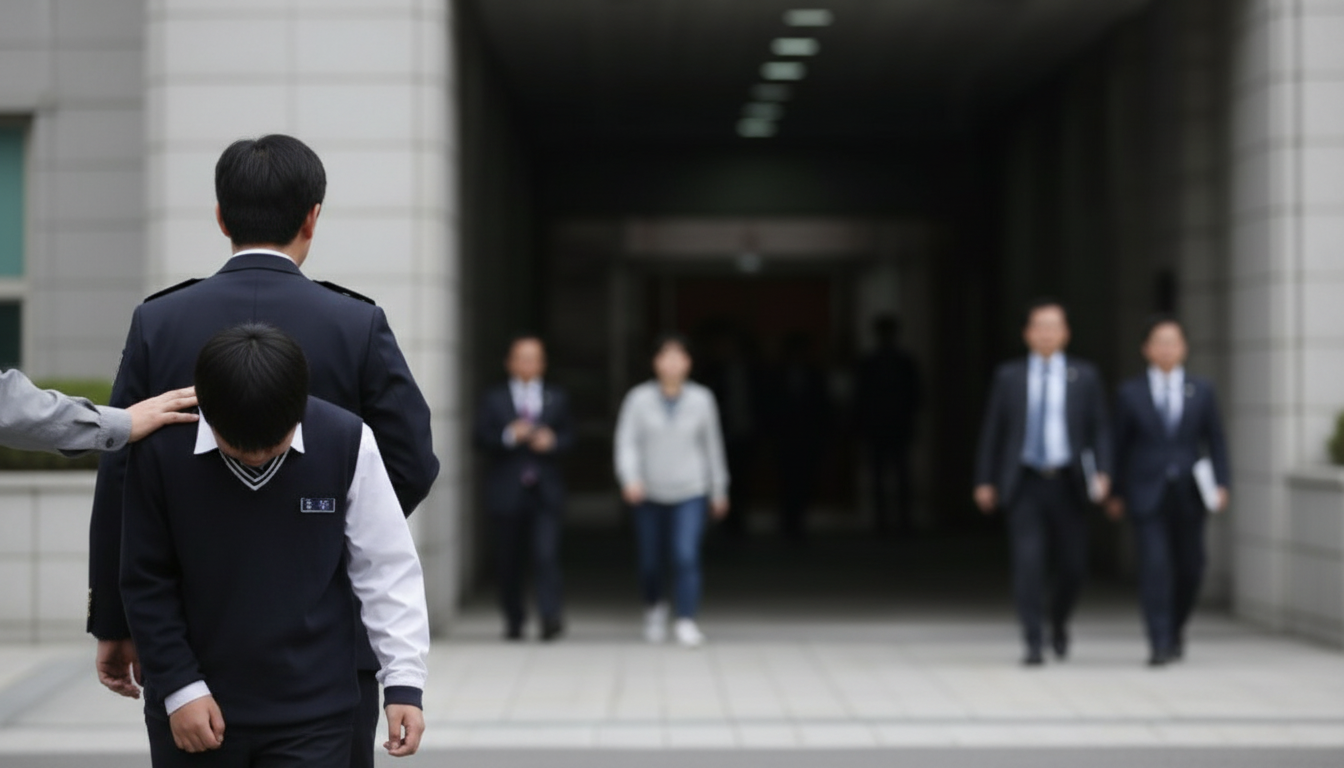
A debate is underway regarding lowering the age threshold for 'Chokbeop Sonyeon'—juveniles exempt from criminal punishment—from 14 to 13, pitting proponents of crime prevention through severe punishment against those advocating for rehabilitation through education. Under the current Juvenile Act, juveniles aged between 10 and 13 are subject to protective measures, such as referral to a juvenile reformatory, which are actively implemented.
South Korea's juvenile justice system is structured around the age of criminal responsibility, set at 14 under the Criminal Act. Juveniles aged 10 to 13 are subject to protective measures like referral to a juvenile reformatory as stipulated by the Juvenile Act. According to international comparative data released by the Ministry of Justice in October 2022, many countries, including South Korea, use 14 as the benchmark for criminal responsibility. Even in countries that set a lower age for criminal responsibility, actual criminal punishment is exceptionally applied only to serious crimes committed by individuals above a certain age. The UN Committee on the Rights of the Child has recommended that the South Korean government maintain the age of 14 as the criminal responsibility benchmark, with experts analyzing this age as the period when cognitive and reasoning abilities are formed.
Based on the 2024 Judicial Yearbook, theft accounted for the highest proportion, 31%, among juvenile offenders subjected to criminal punishment. Among all juvenile crimes, the proportion of the four major violent offenses—murder, robbery, rape, and arson—is less than 4%, with most delinquencies involving theft or fraud. Analyses suggest that stronger punishments could lead to stigmatization and criminal learning in adolescents, whose brains are still developing, potentially increasing recidivism rates. Some juvenile inmates who have received criminal sentences are housed in correctional facilities like the Gimcheon Juvenile Correctional Center and Seoul Southern Correctional Center. Despite being of compulsory education age, they receive education focused on GED preparation and vocational training instead of the regular curriculum.
Park Sun-young, a professor of Police Administration at Hansung University, stated that the issue of 'Chokbeop Sonyeon' requires precise data and a cautious approach. Professor Park explained that responses based on incorrect information could endanger the future of juveniles and social safety. It has been suggested that a special investigation committee comprising experts and practitioners should be formed to find effective alternatives and ensure transparency in the process.