Soaring Fuel Prices and 'Yellow Envelope Law' Intensify Delivery Sector Conflict

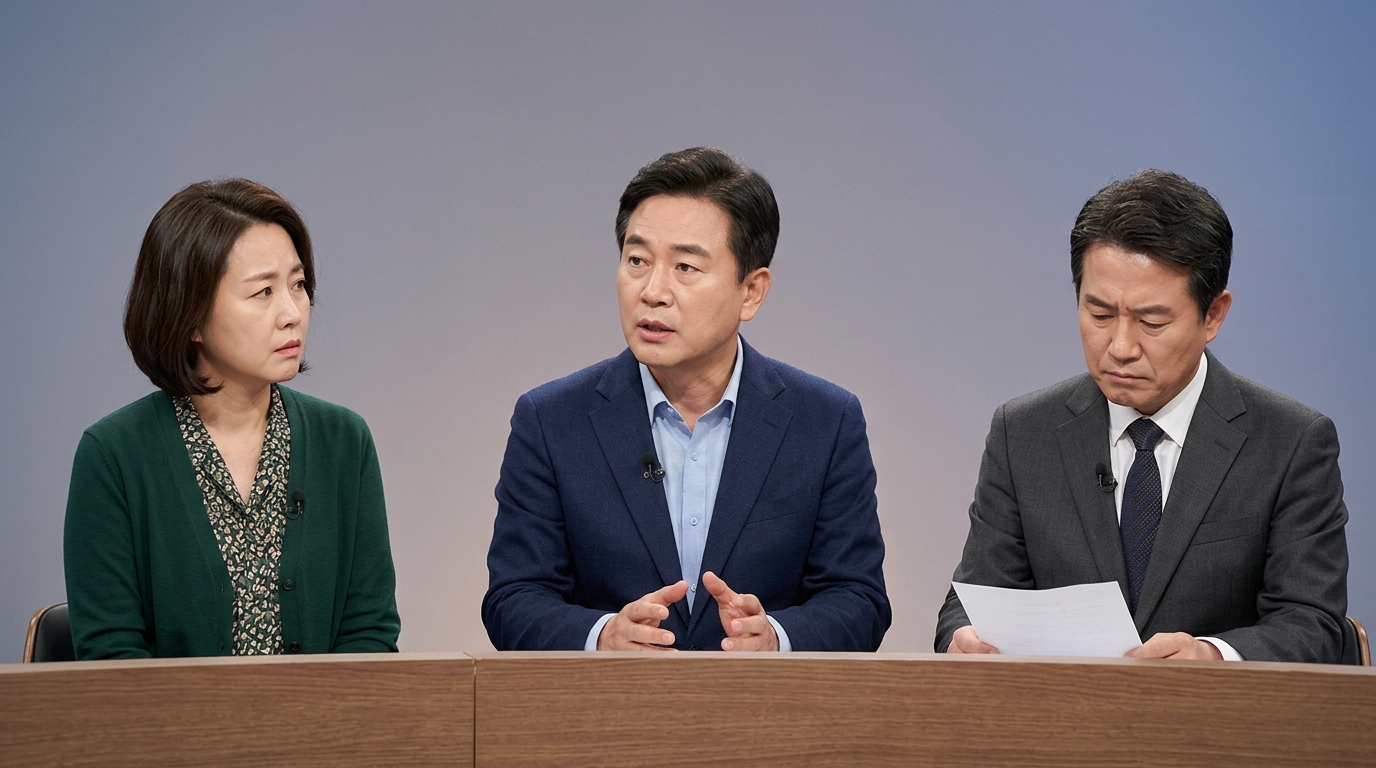
South Korea's delivery industry is facing a double bind due to surging international oil prices and the implementation of the 'Yellow Envelope Law' (revised Trade Union Act). High oil prices stemming from instability in the Middle East have increased fuel cost burdens for delivery drivers, reigniting disputes over delivery fees. Moreover, the implementation of the 'Yellow Envelope Law' has led to calls for direct collective bargaining with principal companies rather than delivery firms, escalating tensions in the logistics sector.
As of the 10th, the average gasoline price at gas stations nationwide stood at 1,974.7 won per liter, and diesel at 1,966.0 won. This represents a sharp increase in just three months, compared to around 1,700 won for gasoline and 1,600 won for diesel in early January. In Seoul, gasoline prices breached the 2,000 won mark for the first time in three years and eight months, reaching 2,010.9 won per liter, with diesel prices hitting 1,991.3 won. The surge in international oil prices is attributed to unresolved risks of blockades in the Strait of Hormuz amid geopolitical tensions between the US and Iran. It typically takes three to four weeks for price fluctuations in Middle Eastern commodities to reflect in domestic prices.
The increased fuel costs are directly leading to a decrease in delivery drivers' actual income, prompting opposition from labor unions, including resolutions against delivery fee reductions. Disputes are also spreading regarding the planned reform of the 'delivery zone system,' which differentiates fees based on delivery areas and difficulty.
The 'Yellow Envelope Law' (revised Trade Union and Labor Relations Adjustment Act) went into effect on the 10th of last month. This law expands the scope of employers to allow subcontracted and platform workers to engage in direct collective bargaining with principal companies that determine actual working conditions, and it limits liability for damages incurred during industrial action. Consequently, delivery unions are now demanding collective bargaining from major delivery companies based on this law.
These deteriorating domestic and external conditions are dampening the expectations for a performance rebound by major delivery companies, which experienced sluggish results last year. Analyses suggest that these companies may struggle to recover profitability amidst competition with Coupang. Last year, CJ Logistics recorded sales of 12.2846 trillion won and an operating profit of 508 billion won, with operating profit decreasing by 4.3% year-on-year. Hanjin reported sales of 3.0649 trillion won and an operating profit of 112.2 billion won, up 1.6% and 12.1% respectively year-on-year. Lotte Global Logistics saw sales of 3.4014 trillion won and an operating profit of 81.7 billion won, down 4.8% and 9.4% respectively year-on-year.