Bank of Korea Forecasts Mid-to-Late 2% Inflation, Slower Growth

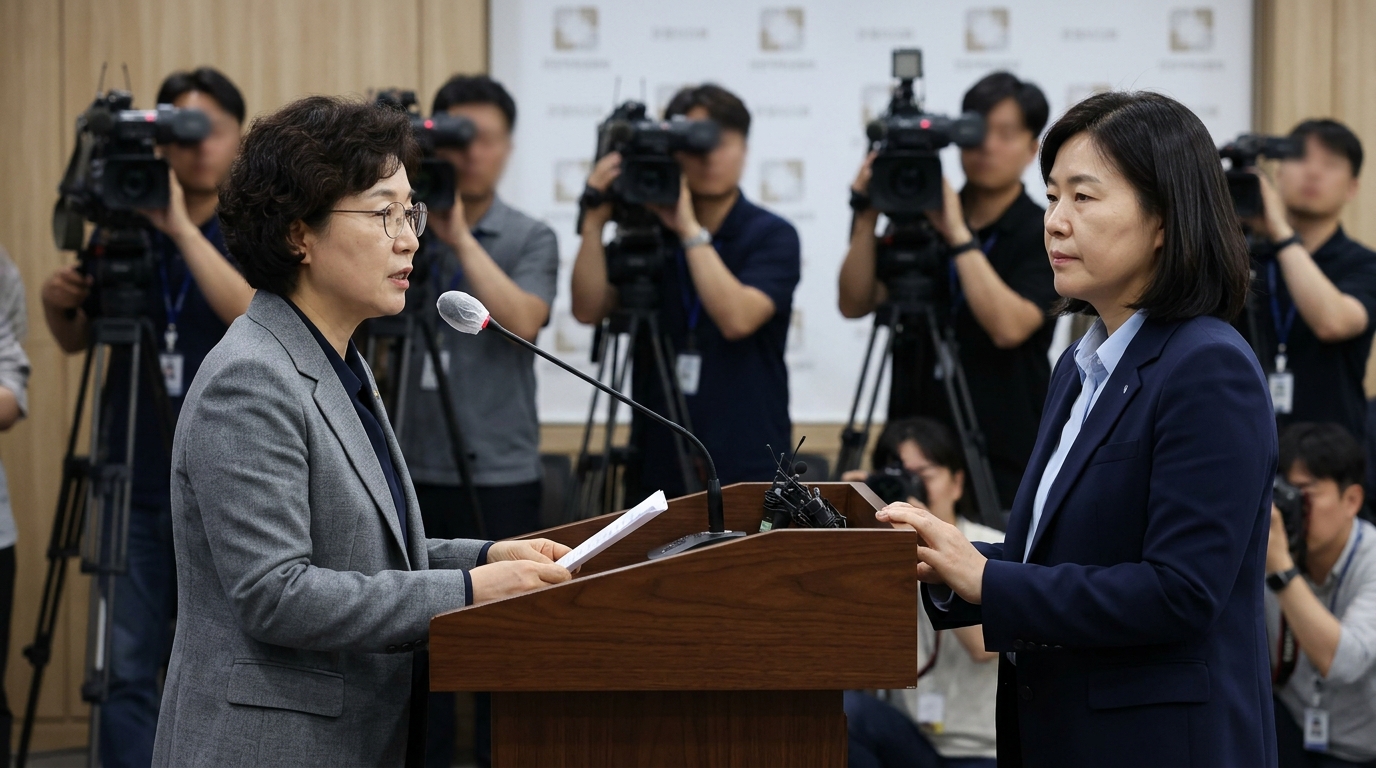
The Bank of Korea projected this year's inflation to remain in the mid-to-late 2% range and economic growth to fall below forecasts, as the Middle East conflict amplifies risks of both price increases and economic slowdown. The Monetary Policy Board judged that rising international oil prices due to the Middle East war would increase upward pressure on inflation, and core inflation was also expected to be higher than initially anticipated. It explained that future inflation paths face high uncertainty related to movements in international oil prices and exchange rates, the effectiveness of government price stabilization measures, and the extent of cost-push effects.
The domestic economy faces increased downside pressure on growth due to weakened economic sentiment and production disruptions in some sectors following the Middle East situation. Despite strong semiconductor exports and supplementary budget measures, growth momentum has slowed more than expected due to the impact of rising energy prices and supply chain disruptions.
International financial markets saw increased volatility in key price variables due to heightened risk aversion following the Middle East war, although some reversals occurred after a temporary ceasefire between the US and Iran. The dollar-won exchange rate rose to the 1,500 won level due to a stronger US dollar sparked by the Middle East conflict and net selling by foreign investors, before declining after the temporary ceasefire.
The Monetary Policy Board deemed it appropriate to maintain the current base interest rate level and monitor the situation and its ripple effects. It added that the growth path would be influenced by the unfolding Middle East situation, changes in the trade environment, the semiconductor industry cycle, and the trend of domestic demand recovery. The bank stated it would prioritize price stability in its monetary policy operations with a medium-term perspective, aiming for inflation to stabilize at the target level in the medium-to-long term. On the financial stability front, it emphasized that it would remain vigilant regarding the impact of increased exchange rate volatility.