Gasoline Prices Top 2,000 Won, Highest in 3 Years and 9 Months

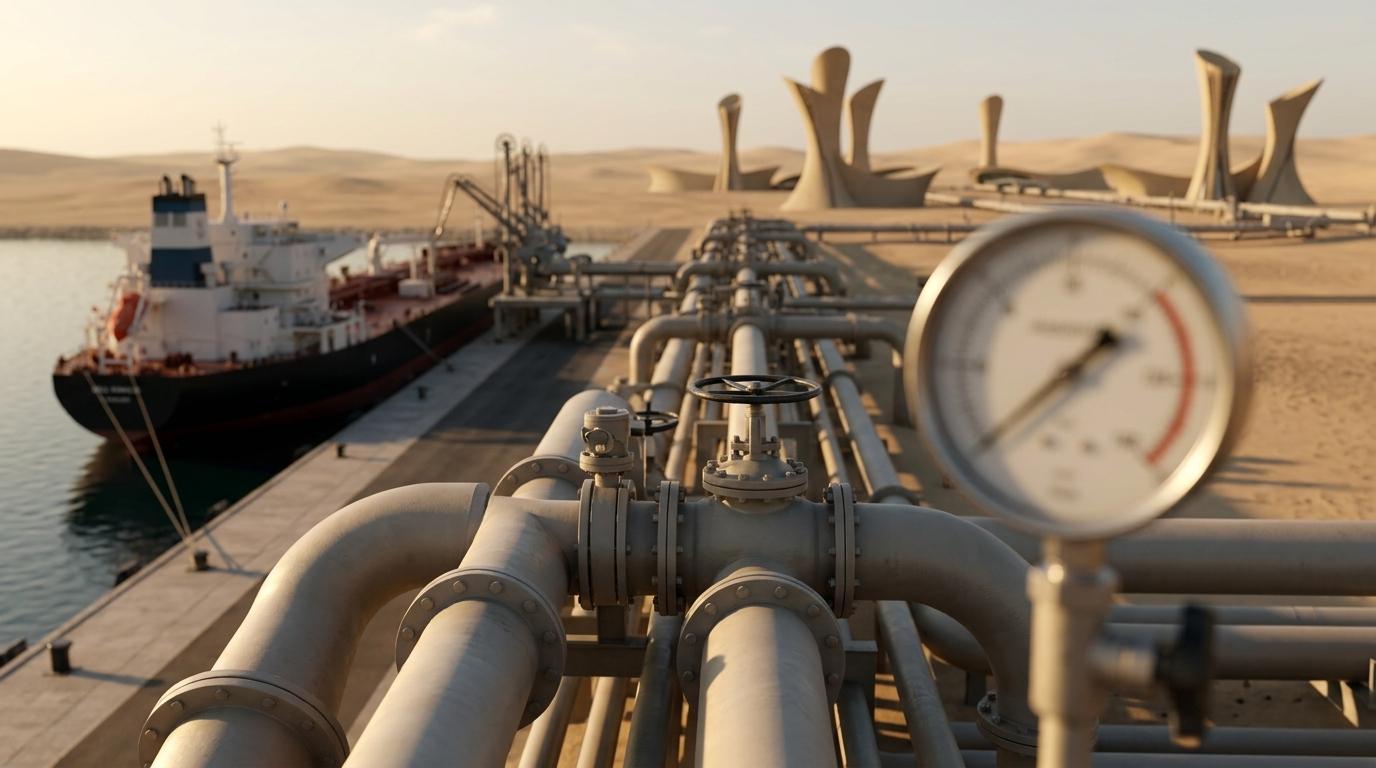
The average gasoline price at domestic gas stations has surpassed 2,000 won per liter, a result of increased consumer burden due to supply instability originating from the Middle East and rising international oil prices. According to the Korea National Oil Corporation's Opinet on the 20th, the average gasoline price nationwide stood at 2002.83 won per liter, up 0.9 won from the previous day. The average diesel price also rose to 1996.47 won, nearing the 2,000 won mark.
The average gasoline price in Seoul had already crossed 2,000 won on the 7th and stood at 2037.28 won as of the 20th.
The government is set to announce new ceiling prices for petroleum products soon and is carefully considering whether to adjust them. The government implemented the oil price ceiling system on May 13th to alleviate the shock of soaring international oil prices, which have surged due to the conflict in the Middle East. Ahead of its fourth announcement, the government is deliberating on whether to maintain the system and how to adjust prices, torn between 'increasing fiscal burden' and 'stimulating consumer prices.' Maintaining a low ceiling increases the government's financial burden, while setting it too high could fuel inflation, making the adjustment range a difficult decision. The government has allocated 5 trillion won in supplementary budget for the maintenance of the oil price ceiling system for six months, intended to compensate oil refiners for losses.
The oil refining industry is concerned about reduced revenue and increased financial strain caused by the price ceiling system, as well as the unclear scope, timing, and amount of government compensation for losses.
International oil prices have continued to surge amid escalating geopolitical tensions in the Middle East. On the 19th (local time), May futures for West Texas Intermediate (WTI) crude rose about 7% to $89.85 per barrel, while June futures for Brent crude gained approximately 7% to trade at $96.57 per barrel. This surge is attributed to the escalating tensions between the U.S. and Iran surrounding the Strait of Hormuz, which has fueled oil price increases. Control over the Strait of Hormuz, through which about 20% of global crude oil shipments pass, significantly impacts global energy supply.
A total of 26 South Korean-flagged vessels are understood to be in the Strait of Hormuz, though some have already begun to move. Recently, a ship with a South Korean beneficial owner successfully navigated through a route designated by Iran, and instances of oil tankers exiting the strait or South Korean tankers transporting crude oil through the Red Sea have been reported.
However, despite these movements, it is unlikely that international oil prices will stabilize quickly to pre-war levels. It will take considerable time for supply chains to normalize. Securing safe passage through the Strait of Hormuz is not a short-term issue. Clearing mines and verifying route safety in the Strait could take weeks to months. Even if commercial traffic resumes, analysts suggest that oil prices should not be expected to return to pre-war levels swiftly. The U.S. Energy Information Administration (EIA) projects international oil prices to remain above $95 per barrel for at least the next two months and anticipates that prices will not rapidly return to the $60-65 per barrel range even after the conflict ends.