Pet Market Trends: Startup Ideas for Small Budgets

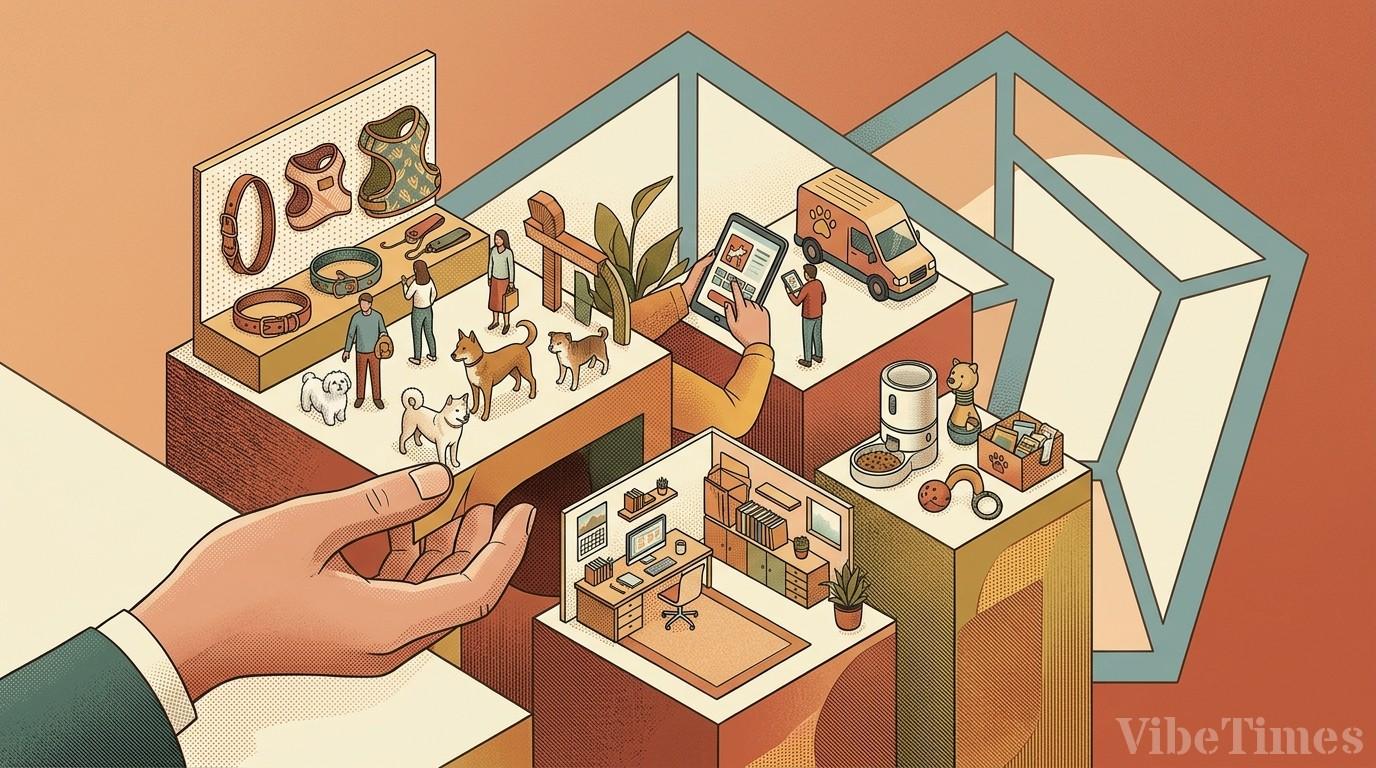
Pet Market Trends Pave the Way for Small-Capital Startups
The pet market has entered the 'pet-conomy' era with the rise of 'pet-fam' (Pet+Family) individuals who treat their pets as family. Societal shifts including the increase in nuclear families, single-person households, and an aging population have transformed the pet market from one of simple consumption to an essential spending area. Notably, following the pandemic, investment in and interest towards pets have surged, with the domestic market size estimated to be approximately 18 trillion won as of 2023. Amidst this vast market trend, this article presents practical ideas that reflect the latest trends for aspiring entrepreneurs seeking to minimize initial investment burden and maximize success potential.
1. Growth Drivers and Latest Trends in the 'Pet-conomy'
The domestic pet market has solidified its position as a major industry, consistently recording annual growth rates of over 10%. This is attributed to demographic changes leading to an increase in pet-owning households, whose spending patterns are evolving towards becoming 'pet-fam' consumers who are willing to spend generously. The global market, centered in North America and Europe, already commands hundreds of trillions of won, and the Asian market's growth is also rapid, marking it as a sector with high long-term investment value.
1.1. Structural Growth Factors: Demographic Shifts and Improved Perception
South Korean society is witnessing a trend of increasing single-person and non-married households alongside low birth rates and an aging population. These changes have fostered a culture where pets are increasingly viewed not just as animals, but as emotional supporters and family members. According to the Ministry of Agriculture, Food and Rural Affairs, approximately 28% of households owned pets as of 2023, serving as the fundamental driver for increased related consumer spending. Particularly, the extended time spent at home during the pandemic further amplified investment and interest in improving pets' quality of life.
1.2. Latest Consumption Trends Driving the Market
The most prominent trend in the recent pet market is 'premiumization'. With the improvement of pet owners' income levels and a strong tendency to prioritize their pets' health and happiness, demand for high-quality food, treats, and supplies is steadily increasing. Furthermore, the trend of extending pet lifespans and the rise in chronic diseases are driving the rapid growth of the 'health and wellness' market. Product categories related to health management, such as nutritional supplements, functional treats, and disease prevention items, are gaining attention. The demand for 'customized services' and 'experiences' tailored to individual pets' characteristics, health conditions, and owners' lifestyles is also continuously growing.
2. Reduced Initial Investment, Increased Idea Feasibility: Low-Capital Startup Ideas
Considering the growth trajectory and latest trends in the pet market, it is crucial to identify startup ideas with low initial capital requirements and high growth potential. This section focuses on online-centric or service-based startup ideas that reflect trends and do not necessitate offline stores or large-scale facility investments.
2.1. Personalized 'Pet Nutrition Consulting and Custom Supplement Manufacturing'
The increased focus on pets' health directly translates into a demand for 'personalized nutrition management'. Services offering tailored nutritional solutions, comprehensively considering a pet's breed, age, health status, and allergies through consultations with veterinarians or nutritionists, can generate high added value. For small-scale operations, it is possible to build an online consultation platform and manufacture/sell custom supplements (functional treats, supplements, etc.) by purchasing raw materials in small quantities.
"As pet owners' needs for health management grow, there is high demand for verified information and personalized recommendations. It is important to act as a 'trusted advisor' for owners, going beyond simply selling products." (Dr. OOO, Veterinarian, based on a 2023 KB Financial Group Research Institute publication)
Implementation strategies include collaborating with experts possessing veterinary or nutritional knowledge, establishing online consultation platforms and proprietary websites, forming partnerships with manufacturers capable of small-batch, multi-product production, and utilizing social media for targeted marketing. Differentiating oneself by offering solutions optimized for individual pets, rather than standardized products, and securing customer loyalty through professional consulting can be key differentiators.
2.2. 'Pet Behavior Correction and Educational Content Curation'
The importance of behavior correction and proper training for harmonious cohabitation with pets is growing daily. However, in-home training services face significant time and spatial constraints, and securing professional personnel is also challenging. Instead, curating verified behavior correction information, training tips, and play methods systematically online and subsequently producing and selling customized online courses or guidebooks based on this content can minimize initial investment costs.
Specific implementation strategies involve collaborating with pet behaviorists or acquiring relevant expertise, producing high-quality educational content (videos, PDFs, card news, etc.), utilizing online course platforms (e.g., Class101, Zoom), and offering subscription-based membership services or individual product sales. The strength lies in systematically providing customized solutions tailored to the owner's situation, rather than simply listing information, and offering accessibility without time or space constraints through remote education.
2.3. 'Upcycled/Eco-friendly Pet Product Manufacturing and Sales'
Recent consumer trends are expanding to include 'sustainability' and 'eco-friendliness', which are equally applicable to the pet market. Manufacturing and selling pet clothing, toys, and cushions using upcycled or eco-friendly materials such as discarded banners, recycled plastics, or natural dyes offers an item that contributes to environmental protection while providing unique value. This can also be started on a small scale from a home workshop, with easy promotion and sales through online channels.
Implementation strategies include sourcing upcycled/eco-friendly materials (local communities, recycling companies, etc.), securing in-house design and manufacturing capabilities or partnerships for small-scale production, establishing online sales channels (own e-commerce site, Smart Store, social media markets), and employing storytelling marketing that emphasizes eco-friendly values. This caters to consumers who value ethical consumption, allows for made-to-order or small-batch production to reduce inventory burden, and can highlight uniqueness through distinctive and aesthetic designs.
3. Practical Advice for Successful Low-Capital Startups
For the startup ideas presented to successfully enter the market, several essential considerations and strategies are required.
3.1. Targeting 'Niche Markets' and Proposing 'Differentiated Value'
The pet market is extremely broad, making it crucial to deeply target specific 'niche markets' rather than trying to cover all areas. Examples include specialized products for certain breeds, care services for pets with specific illnesses, or customized solutions for pets of particular age groups. This helps establish a unique domain in a competitive market and clearly convey value to customers.
3.2. Strategic Use of 'Online Platforms' and Managing 'Customer Experience'
The key to low-capital startups lies in effectively utilizing online platforms. It is essential to operate various channels such as proprietary e-commerce sites, Smart Stores, Instagram, and YouTube in an integrated manner to enhance brand awareness and attract potential customers. Furthermore, beyond simply selling products or services, continuous communication with customers, providing a satisfactory purchase/usage experience, and managing reviews are important for encouraging positive word-of-mouth and increasing repurchase rates.
3.3. Checking 'Laws and Regulations' and the Importance of 'Continuous Learning'
Pet-related businesses may be subject to specific laws and regulations concerning pet food, supplements, and animal services. Before starting a business, it is imperative to check and comply with relevant permits, labeling/advertising regulations, and safety standards. Moreover, to keep pace with the rapidly changing pet market trends and technological advancements, continuous learning through attending seminars, analyzing industry trends, and ongoing education is essential for successful business operations.