CU Logistics Woes Escalate into Distribution Structure and Labor Disputes

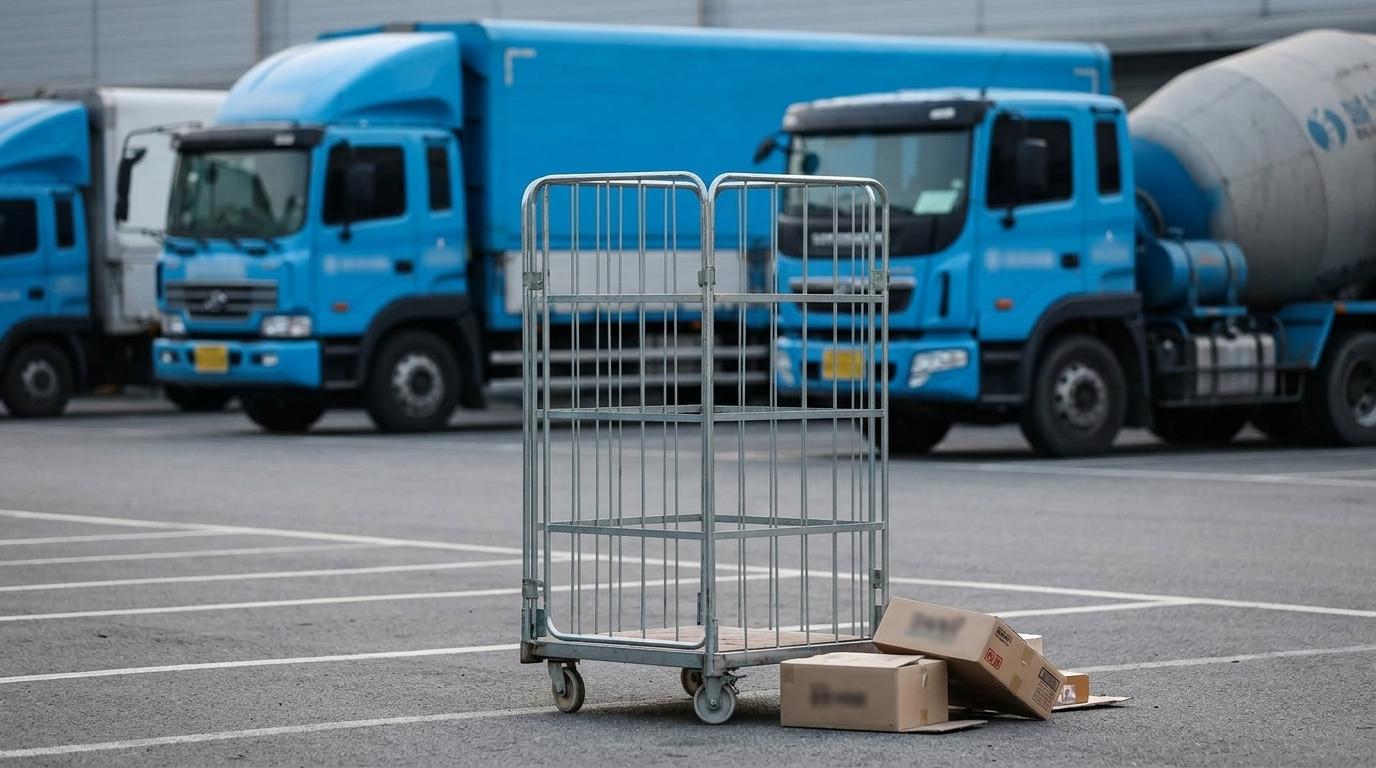
As the logistics disruption at convenience store chain CU continues to drag on, the situation is escalating beyond a simple strike into a clash between distribution industry structures and labor systems. The conflict between BGF Retail and the Federation of Korean Transport Workers' Unions is expanding into a social debate over the scope of 'main contractor responsibility' and negotiation structures. With the gap between the two sides' positions widening and logistics disruptions compounded by human casualties, tensions are running high.
The transport workers' union, citing the revised Trade Union Act, often called the 'Yellow Envelope Act,' argues that core labor conditions such as freight rates, cargo allocation, and delivery methods are effectively determined by the main contractor's operational system. They are demanding direct negotiations with BGF Retail and its logistics subsidiary, BGF Logistics. The Yellow Envelope Act essentially recognizes employer responsibility when a main contractor exercises 'substantial and specific control' over subcontracted or special employment workers.
BGF Retail maintains that direct negotiations are difficult because its multi-tiered contractual structure, with separate contracts between the logistics subsidiary, transport companies, and individual drivers, means it is not a legal party to the agreements. The government has expressed regret over the situation but has taken a stance of withholding direct judgment, stating that the issue of negotiations between main contractors and subcontractors is separate from the logistics disruption. The Minister of Employment and Labor, in a radio interview, described the death of a transport union member as a 'tragedy resulting from the failure to realize the intent of the Yellow Envelope Act,' directly designating BGF Retail as the principal contractor and negotiation party. However, the Ministry of Employment and Labor later clarified its statement, saying it meant BGF Retail 'could be a subject of negotiation.'
Industry observers view this situation not as a simple logistics disruption but as a 'structural materialization of supply chain risk.' In structures highly dependent on logistics, like the convenience store industry, supply chain instability directly leads to immediate revenue losses. It has been pointed out that the multi-tiered outsourcing structure, while increasing efficiency, disperses responsibility and fuels conflict. The need for structural changes, such as expanding the role of main contractors, internalizing logistics, and investing in automation, has been discussed, but these options entail increased costs, posing a significant burden for companies.
The CU logistics crisis is being evaluated as a case where 'changes in labor systems' have clashed with the 'structure of distribution supply chains.' As demands for redefining relationships between main contractors and subcontractors grow following the enforcement of the Yellow Envelope Act, similar conflicts are likely to repeat unless social consensus is reached on the extent of main contractor responsibility and how negotiation structures should be reorganized. Attention is focused on whether this situation will become a turning point for South Korea's distribution structure and labor relations. Competitors such as GS25, 7-Eleven, and Emart24 are closely monitoring the situation, and similar negotiation demands are emerging from the department store and duty-free sectors, heightening tensions.