Middle Eastern Urea Prices Surge, Raising Concerns of Fertilizer Cost Hikes in H2

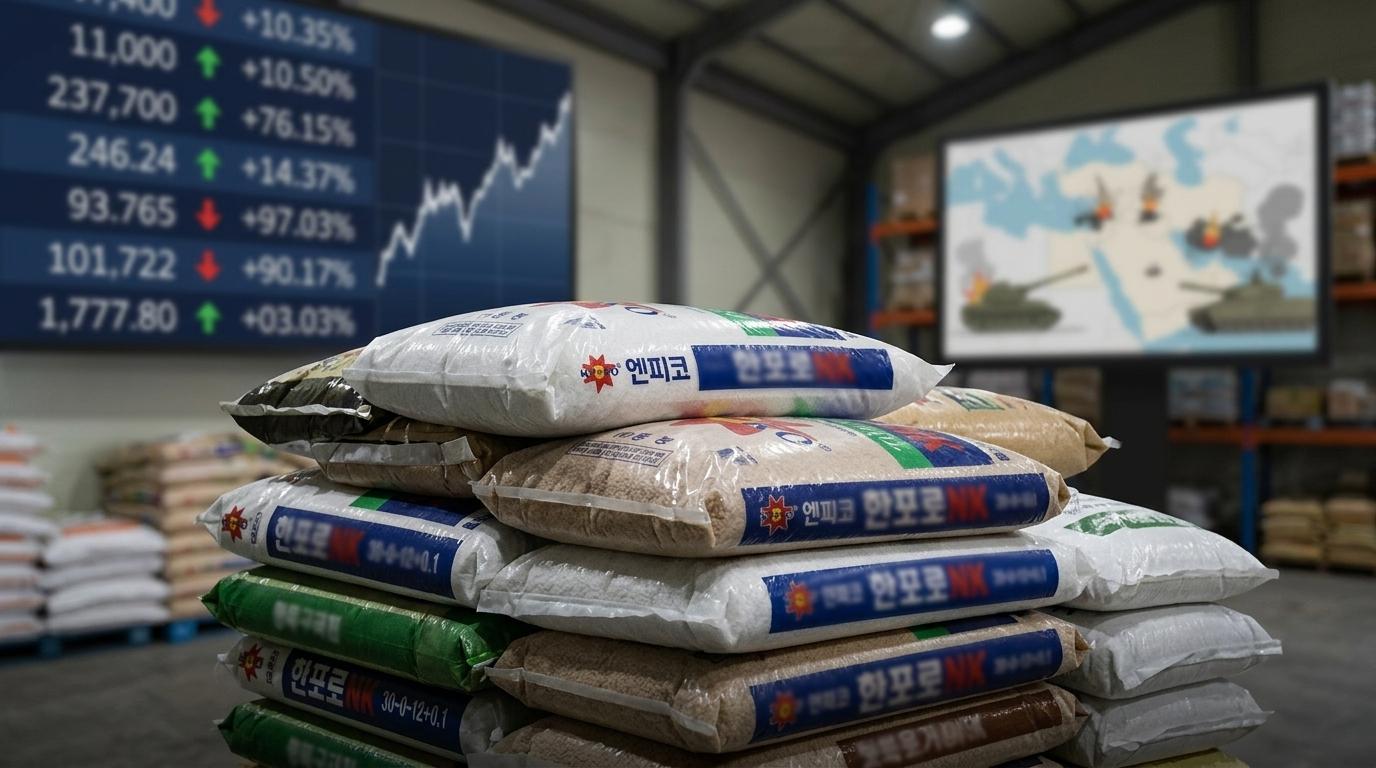
The price of Middle Eastern urea has surged by over 85% due to the impact of regional conflicts, leading to projections that fertilizer price increases will be unavoidable in the second half of the year. If the Middle East conflict prolongs, fertilizer costs could rise further due to escalating raw material prices and exchange rates, which would place an increased burden on farm production costs. Additionally, rising international oil prices and exchange rates are expected to affect feed prices.
The government is preparing countermeasures, including promoting appropriate fertilizer usage and reducing reliance on imported feed raw materials. The Ministry of Agriculture, Food and Rural Affairs (MAFRA) has launched demand management initiatives to curb excessive fertilizer application and encourage the use of soil testing and fertilization prescription services for guiding appropriate application rates.
MAFRA plans to support loans for securing feed raw materials to minimize factors driving feed price increases, and is pursuing a strategy to gradually expand the proportion of domestically produced feed ingredients, which currently have a high import dependency.