KOSPI Recovers to 2500 Mark: CEO Lee Dong-soo's Stock Market Diagnosis

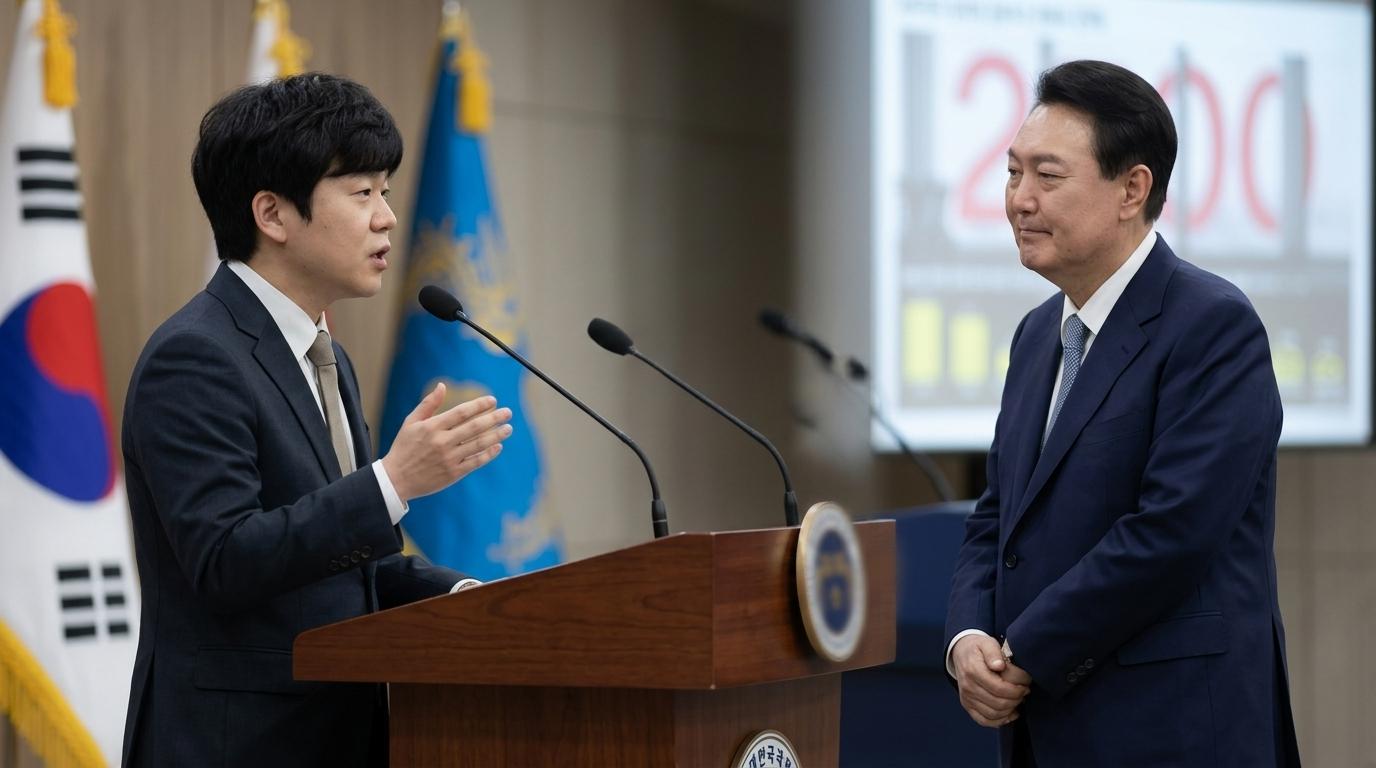
Lee Dong-soo, head of the Generation Politics Research Institute, recalled the situation a year ago when a sense of powerlessness and deprivation pervaded the domestic stock market. The KOSPI index was around the 2500 level in the first week of May 2025, and had fallen to the low 2300s a month earlier, around the time then-U.S. President Donald Trump declared 'Liberation Day.' The KOSPI first broke through 2000 on July 24, 2007. For nearly two decades, individual investors' frustrations over the 'Box-pi' phenomenon continued.
In the past, geopolitical risks related to North Korea were cited as a major cause of the Korea discount. However, now, split listings of valuable subsidiaries and unjustified capital increases have inflicted greater losses on shareholders. Issues such as management premium enjoyed only by controlling shareholders and share buybacks without cancellations were identified as the primary culprits behind the Korea discount.
Under the Yoon Suk-yeol administration, the 'K-Value Up' policy was pursued, but its limitations in driving corporate change due to a lack of enforceability became apparent. The debate over the financial investment income tax (FITI) arose at the end of 2024; FITI was originally scheduled to be implemented in January 2025. Facing criticism, particularly from individual investors, that FITI implementation would accelerate capital outflow, the Democratic Party began discussions on abolishing it. The government and ruling party pushed for amendments to the Commercial Code, including expanding the scope of directors' duty of loyalty, introducing a cumulative voting system, and mandating the cancellation of treasury shares.
The KOSPI began to rebound around the time of President Lee Jae-myung's inauguration, and the stock market surged last fall due to the AI data center-driven semiconductor boom.