FKI Proposes 100 Regulatory Reforms to Boost Industrial Innovation

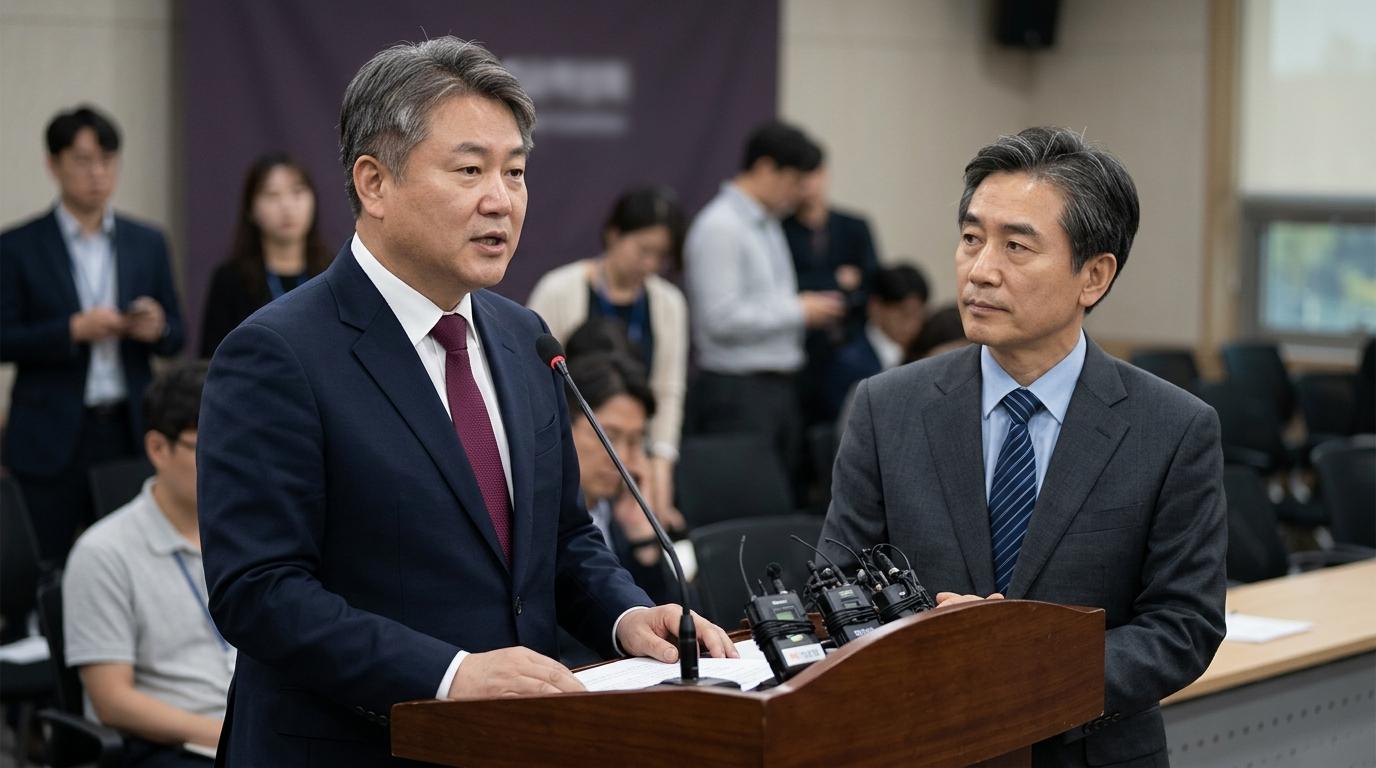
The Federation of Korean Industries (FKI) has proposed 100 outdated regulations that hinder industrial development to the Office for Government Policy Coordination. The proposals include key tasks in emerging industries such as separating EV battery ownership, allowing the installation of parking robots in apartments, and expanding insurance MyData services. After gathering opinions from its member companies, the FKI identified 100 comprehensive regulatory reform tasks for 2026 and submitted them to the Office for Government Policy Coordination, with a particular focus on improving regulations that impede innovation in new industries like artificial intelligence (AI) and mobility. By ministry, the Ministry of Land, Infrastructure and Transport had the most cases with 26, followed by the Ministry of Trade, Industry and Energy with 13, and the Ministry of Climate, Energy and Environment with 11.
To vitalize the electric vehicle market, a proposal has been made to separate battery and vehicle body ownership. Under the current Automobile Management Act, separate ownership of batteries and vehicle bodies is not recognized, forcing consumers to bear the full cost of batteries, which can account for up to 40% of the vehicle price, at the time of initial purchase. Allowing batteries to be registered as separate assets would lower vehicle prices and reduce the initial purchase burden through the introduction of Battery-as-a-Service (BaaS) models for subscription or leasing. This would also lead to the activation of the used battery recycling ecosystem.
A suggestion was made to establish copyright exemptions for data training to strengthen the competitiveness of the AI industry. In the process of training vast amounts of data required for building large-scale AI models, copyright infringement risks persist due to the narrow scope of fair use provisions under current laws. Referencing overseas cases, a proposal was made for an exemption clause stating that the use of copyrighted material for the purpose of 'information analysis (data mining)' within the scope of not infringing personal information would not be considered copyright infringement. This would prevent delays in AI technology development and promote the advancement of AI services in various fields such as healthcare and law.
To resolve parking shortages in apartment complexes, the proposal to allow the installation of parking robots in apartments was also included in the proposed tasks. Parking robots can maximize space efficiency, but under the current Parking Lot Act, they are classified as 'mechanical parking devices,' effectively prohibiting their installation within apartment complexes. A request was made for regulatory easing, considering that parking robots operate differently from existing mechanical parking devices. This would improve the utilization of apartment parking spaces and enhance convenience for the transportation vulnerable.
A measure was proposed to include family relationship certificates in insurance MyData services, thereby resolving the inconvenience of issuing documents during inheritance or contract changes and improving the convenience of financial services.
As corporate innovation capabilities are the core of global competitiveness, outdated regulations that lag behind change must be reformed.