Concerns Mount Over Falling Gold Prices Amid Middle East Conflict

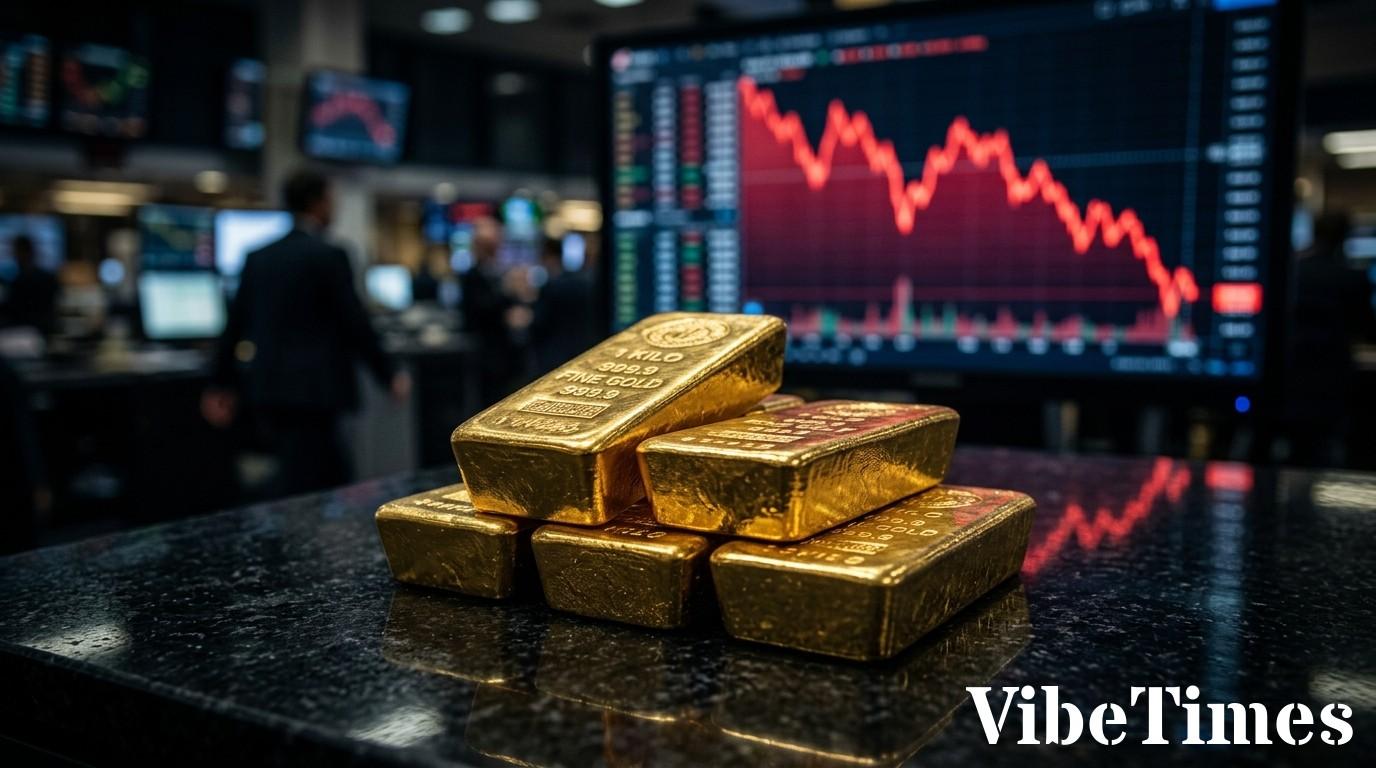
Amid the economic instability triggered by the Middle East conflict, gold prices, traditionally considered a safe-haven asset that appreciates during times of uncertainty, are unexpectedly faltering and facing downward pressure. While gold has historically risen during past conflicts as a go-to safe asset, current analyses suggest that the Middle East war is driving up international oil prices, exacerbating inflation worries and fears of interest rate hikes. Coupled with a stronger dollar, these factors are diminishing gold's appeal as an investment.
Last year, international gold prices surged by over 67% in a single year, reaching record highs. However, since the outbreak of the current conflict, gold has fallen 18% from its peak and is struggling to reclaim the $5,000 per ounce mark. The rise in international oil prices has increased the burden of inflation, intensifying pressure for further benchmark interest rate increases. Additionally, with bank deposit rates rising, gold's relative attractiveness has waned, with these combined factors weighing down gold prices.
Profit-taking sentiment aimed at securing cash after the conflict began has also contributed to the decline in gold prices. Actions by central banks to sell gold reserves or utilize swap transactions to defend their currencies have also had an impact. For instance, the Central Bank of Turkey reportedly sold approximately 60-70 tons of gold in March 2024 to counter the sharp depreciation of the lira, further pressuring prices downwards. The substantial increase in gold prices from last year through early this year, followed by a wave of profit-taking triggered by the major geopolitical event of the war, has also played a role in the current correction phase.
Another analysis suggests that capital outflows are causing price adjustments following an overheated market rally driven by the prolonged surge in gold prices. It is believed that institutional investors, including hedge funds, have begun taking profits, taking advantage of a lull in gold purchases by major central banks.
Meanwhile, some market participants offer optimistic outlooks for future gold prices. If a ceasefire or peace agreement stabilizes international oil prices and inflation, expectations for interest rate hikes may decrease, potentially boosting demand for gold investments. Even if the conflict prolongs, there is an expectation that gold prices will maintain a certain level as a traditional safe-haven asset. According to the World Gold Council (WGC), central banks and public institutions globally made net purchases of 244 tons of gold in the first quarter of 2024, a 17% increase from the previous quarter. The People's Bank of China, for instance, has been increasing its gold reserves for 18 consecutive months, indicating a strong preference among central banks for gold, which serves as a psychological support level against price declines.