KOSPI Surges, Self-Employed Suffer: The Gap Between Stock Market and Perceived Economy

South Korea's benchmark KOSPI index is on a continuous rally, having surpassed the 7000-point mark. As of May 18, 2026, the KOSPI has broken through 7000 points and is setting new records daily. On May 15, 2026, the KOSPI index exceeded 8000 points for the first time in its history.
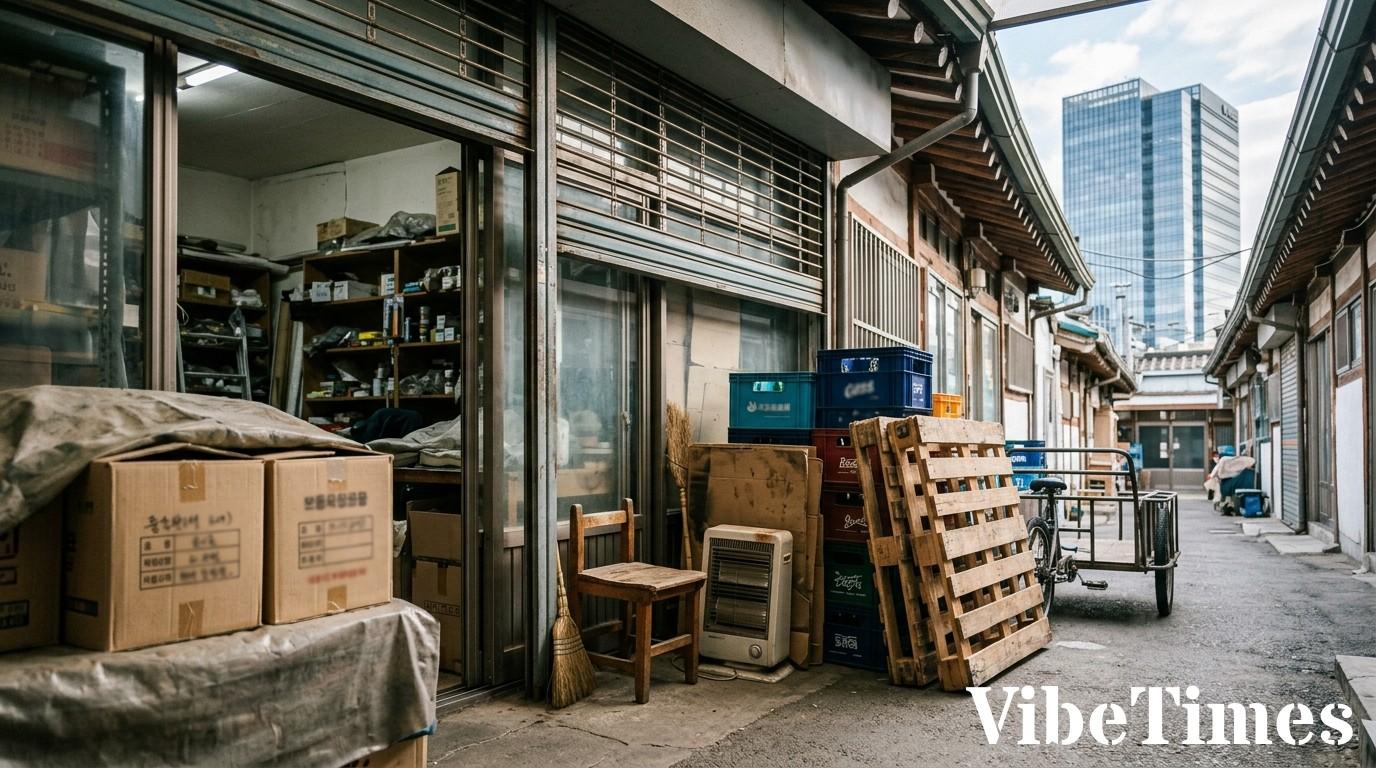
However, at the same time, the economy as felt by individuals is worsening, with an increase in business closures and growing difficulties for young job seekers, creating a significant gap between the booming stock market and the actual economic situation. Small business closures continue to rise, and youth unemployment remains severe. Self-employed individuals are grappling with declining sales and rising rent and labor costs, while young people face job scarcity and housing affordability issues. Restaurant prices are soaring, and many households are struggling under the burden of debt. In the Jeonbuk region, the self-employed's perceived economic index and consumer sentiment index fell below 100 or decreased from the previous month.
The primary driver behind the KOSPI's current ascent is the significant rise in stock prices of major semiconductor companies like Samsung Electronics and SK Hynix, fueled by increased demand for AI semiconductors. This momentum is boosting foreign and retail investors' expectations, lifting the entire market. There's also a phenomenon of excessive capital concentration in specific large-cap stocks. The market is already pricing in the growth of the AI industry and the semiconductor boom.
Voices are emerging expressing concern over the deteriorating economic conditions felt by the public. Unlike the normal economic flow where improved corporate earnings lead to increased employment and consumption, concerns are being raised about an asset market rally driven by liquidity and expectations. The fact that the asset market is moving faster than the real economy's recovery pace is a burden. On the ground, reactions suggest the stock market feels like a separate world. Widening regional polarization in the real estate market and the burden of household debt are considered critical issues for the Korean economy. The KOSPI alone setting new record highs demonstrates internal market imbalances. The structure where specific large tech stocks are driving the index is analyzed as a concentration phenomenon centered on specific industries.
Recently, the South Korean stock market has shown a tendency to react more sensitively to the trends of US tech stocks than to domestic economic conditions, moving as part of the global AI investment trend. The rally could falter if variables such as a global economic slowdown, adjustments in US tech stocks, or a downturn in the semiconductor industry occur.